
Last updated October 15, 2026
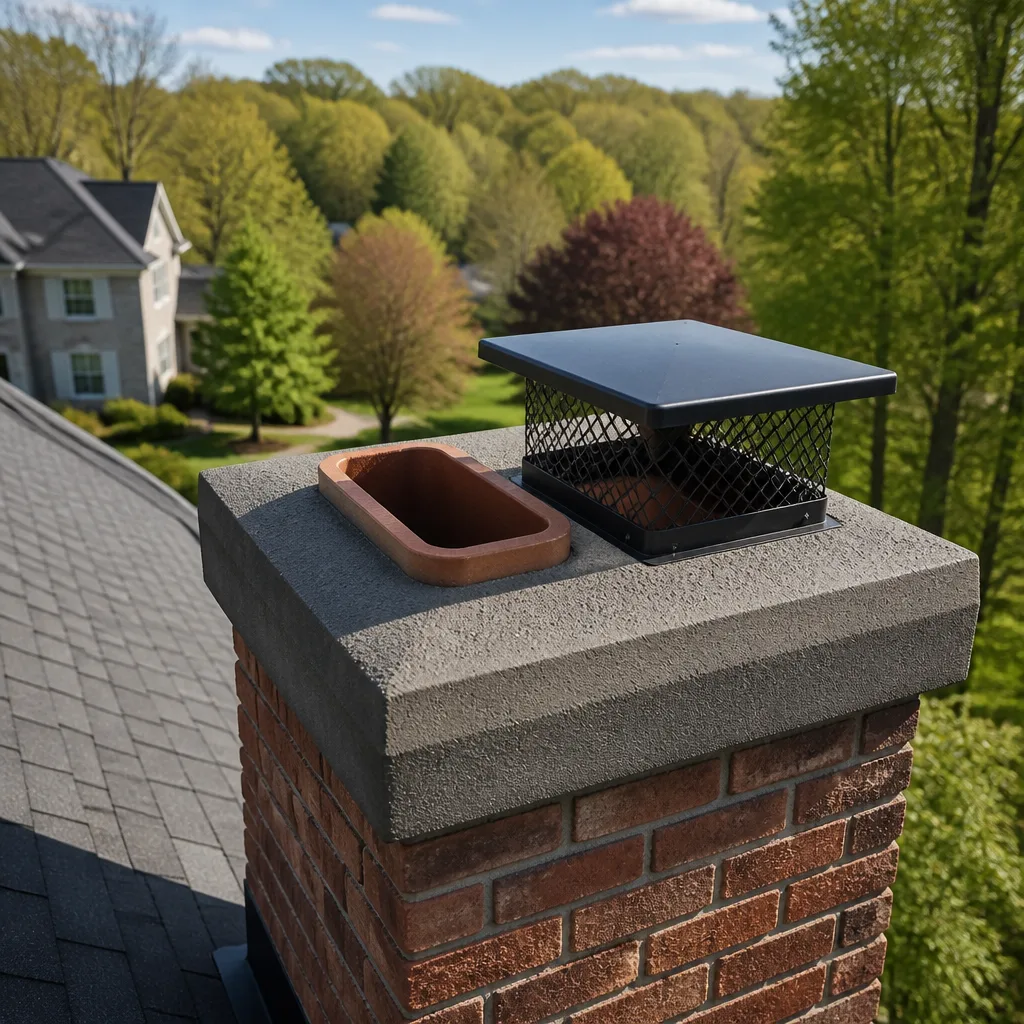 Sweep & inspection
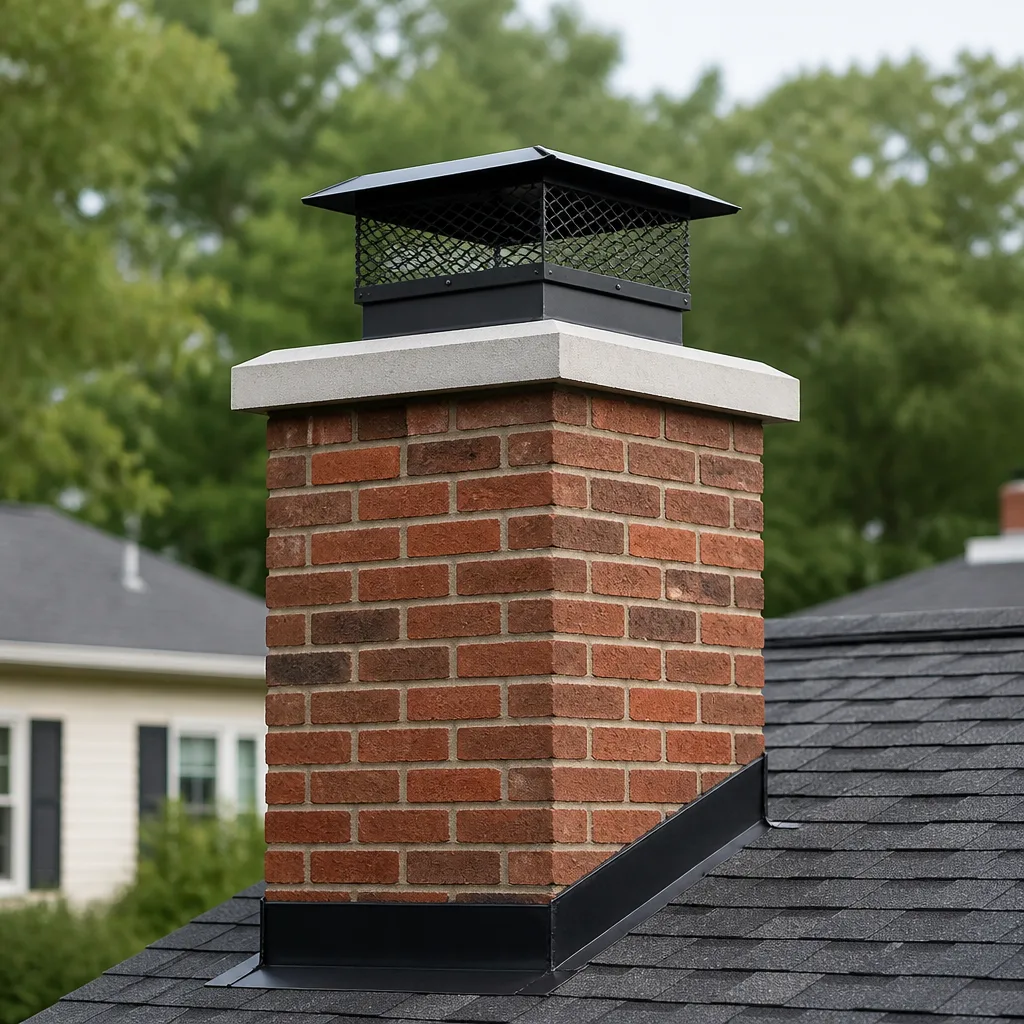 Caps & crowns
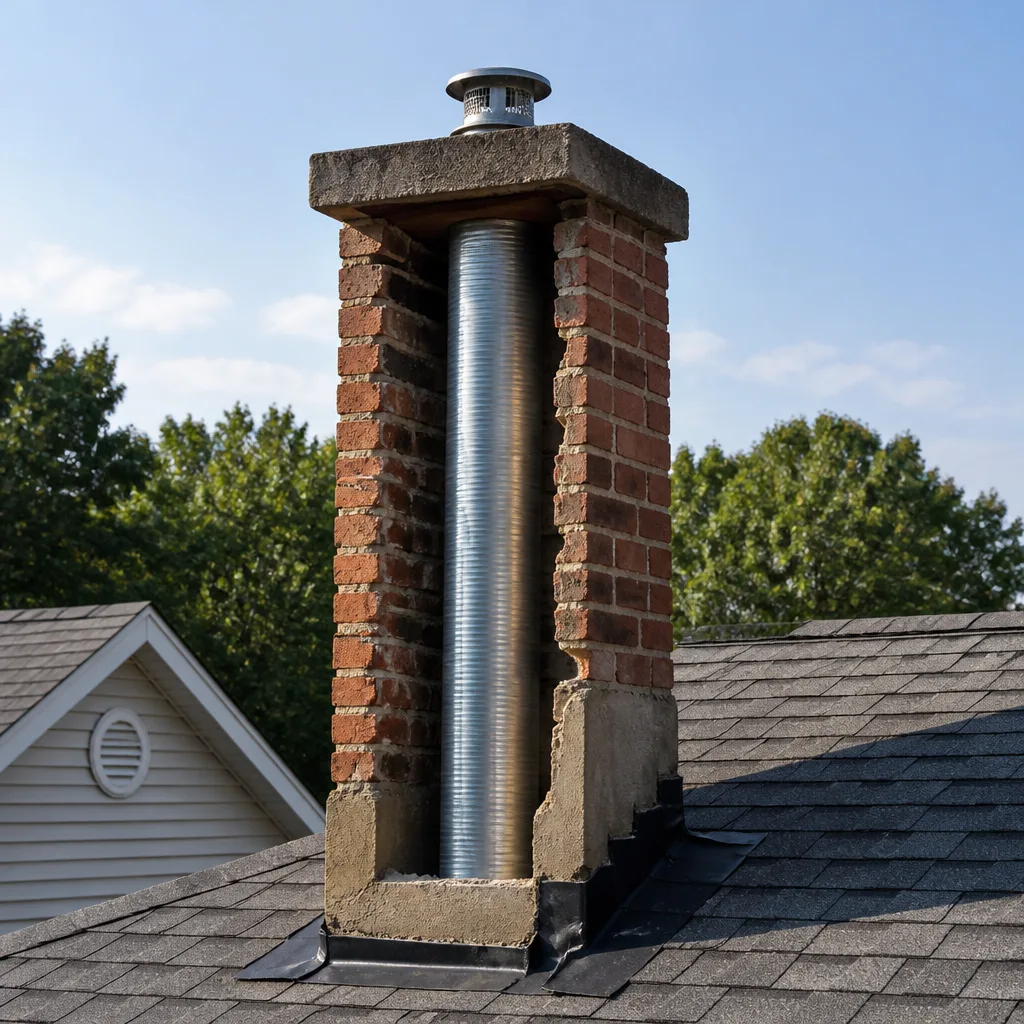 Flue relining
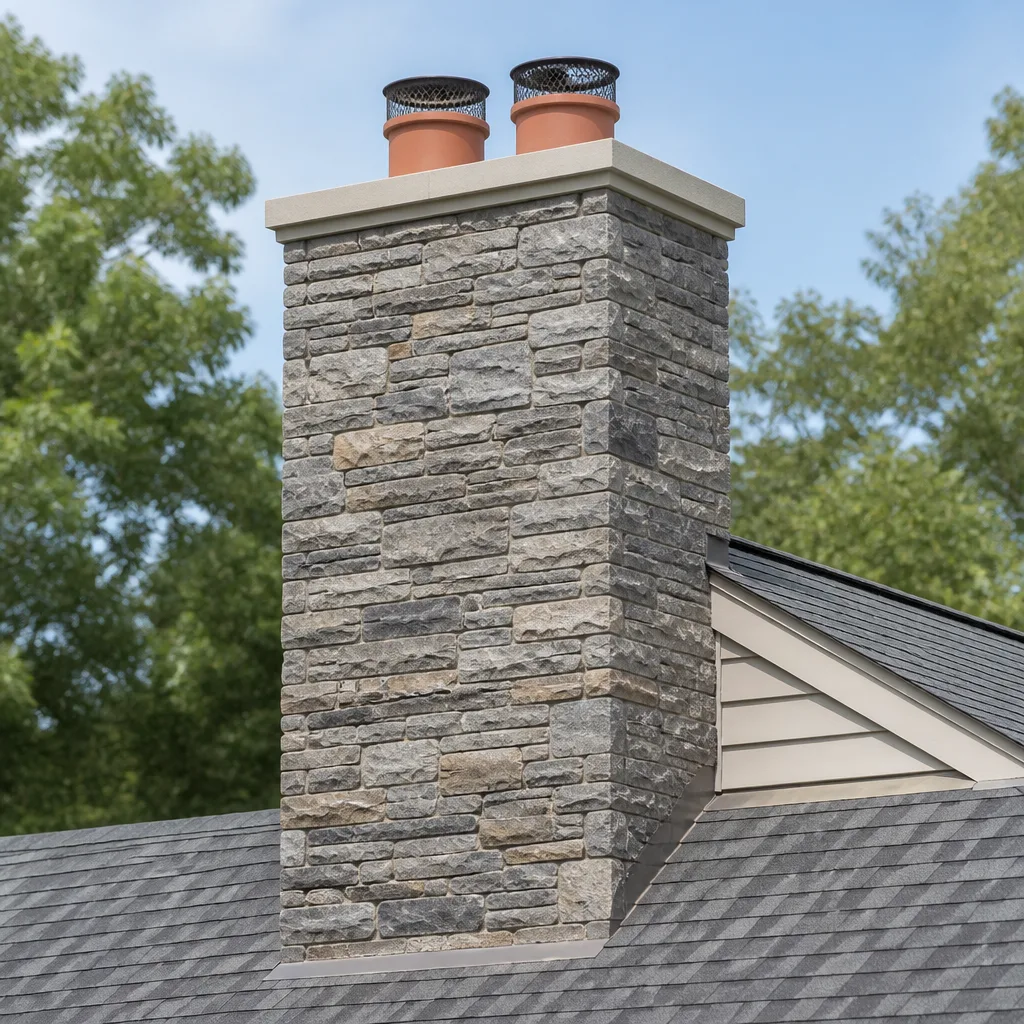 Masonry repair
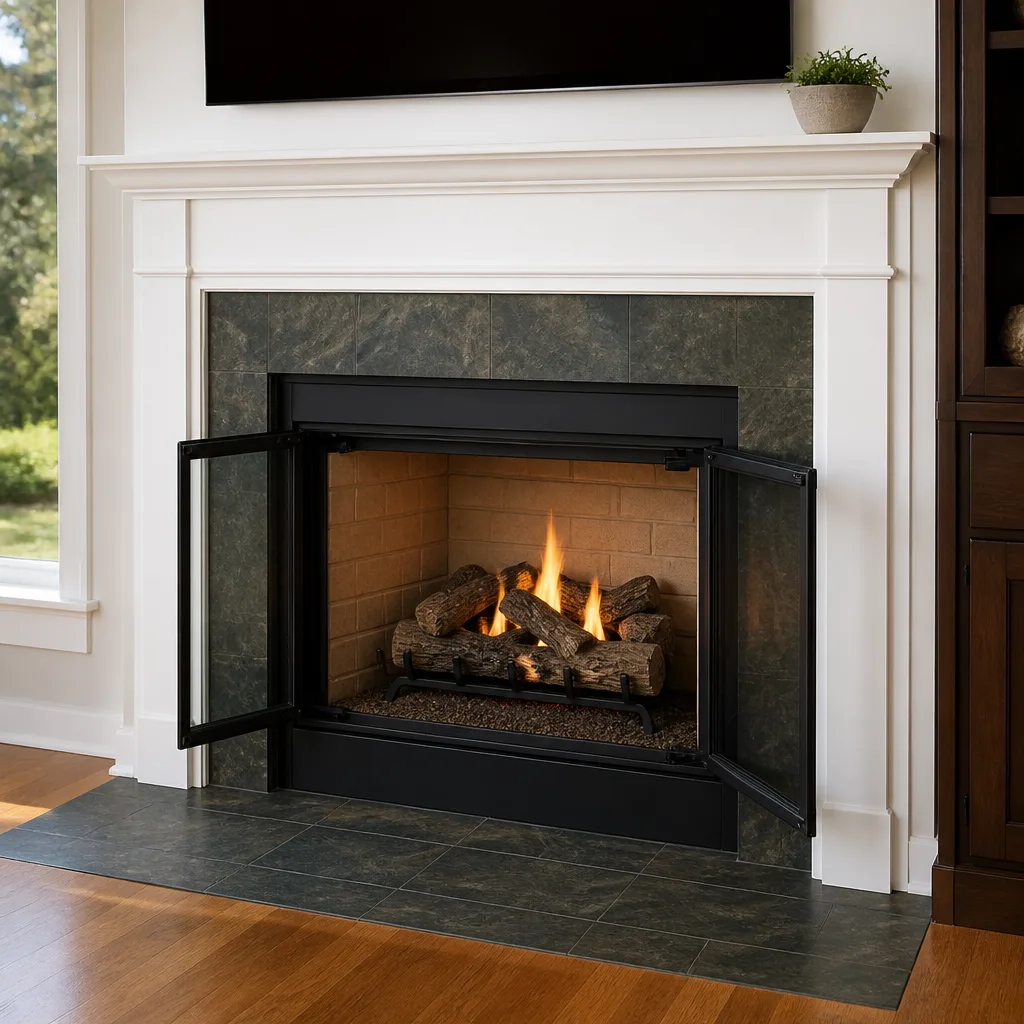 Gas fireplace service
Level 1 sweep and inspection to the NFPA 211 annual standard - flue, crown, cap, and flashing checked and photographed
Chimney sweep logs do not sweep chimneys. They loosen some creosote - which then falls where a brush and vacuum still have to collect it.
Chimney Cleaning Permits, Codes & Inspections in TX: What You Need to Know
A $400 stainless liner sleeve installed without the right documentation can become a $3,000 problem the week you try to sell your house and the home inspector asks for the permit pull. Most San Antonio homeowners never think about chimney permits until that moment, and by then the fix is expensive, stressful, and entirely avoidable. This guide draws the exact line between routine maintenance and regulated work in Texas, explains which chimney projects trigger City of San Antonio code review, and tells you what paperwork to keep so a fireplace never becomes a liability. For a deeper look at keeping your system safe, see our The Complete Guide to Chimney Cleaning in San Antonio. If you own a home with a masonry or prefab chimney anywhere in Bexar County, what follows will save you money.
Quick Answer
Routine chimney sweeping and standard Level 1 inspections do not require a permit anywhere in Texas, including San Antonio. However, liner installations, firebox rebuilds, and certain gas fireplace conversions do require permits and inspections through the City of San Antonio Development Services Department under the Texas Mechanical Code and the International Residential Code Chapter 10, and skipping that step can complicate a home sale or void part of a homeowners insurance claim.
Styles & brands we work with
Table of Contents
- What Counts as Maintenance vs. Regulated Chimney Work
- When San Antonio Requires a Chimney Permit
- The Role of NFPA 211 in Texas Chimney Inspections
- How Unpermitted Chimney Work Affects Insurance Claims
- What Paperwork a Legitimate Chimney Company Provides
- Chimney Documentation During a San Antonio Home Sale
- Why Sweeping Your Own Chimney Can Create Code Problems
- Common Mistakes to Avoid
What Counts as Maintenance vs. Regulated Chimney Work
The single most useful distinction a homeowner can learn is the line between maintenance and modification. Texas takes its definition from the International Residential Code, which San Antonio has adopted with local amendments. Routine chimney sweeping, visual inspection, minor repointing of a few bricks, replacing a damper plate, and swapping a rain cap generally fall under maintenance. None of these change the structure, the flue diameter, the fuel source, or the clearance from combustibles, so no permit is pulled.
Where work crosses into regulated territory is when the modification changes how the chimney performs or how heat and exhaust move through it. Installing a stainless steel liner is the most common example we see in San Antonio. A liner changes the flue from its original condition, and the Texas Mechanical Code treats that as a modification, not a repair. The same applies to rebuilding a firebox, converting a wood-burning fireplace to gas with a log set or insert, enlarging or reducing a flue opening, and any structural repair where more than a small section of masonry is removed and replaced. Regulated work requires a permit application, plan review in certain cases, and an inspection by a city code official.
Homeowners often ask why sweeping never needs a permit but a liner somehow does. The reason is liability. A sweep removes a combustible byproduct. A liner changes the engineering of how the home handles fire. Insurance companies and code officials both care about the second one far more than the first.
When San Antonio Requires a Chimney Permit
The City of San Antonio Development Services Department issues mechanical permits for chimney work that falls under the Texas Mechanical Code and IRC Chapter 10. For a homeowner planning a fireplace project, the practical rule is this: if the work touches the flue, the firebox, or the fuel path, call the city first. A five-minute phone call can tell you whether your specific project needs a permit, and that call is free. The number is the city’s main Development Services line, and the staff is helpful if you describe the work clearly.
Here are the specific scenarios that trigger a permit in San Antonio:
- Stainless steel liner installation or replacement: Whether it’s a rigid DuraFlex liner or another approved brand, relining is a mechanical modification that requires a permit and inspection.
- Firebox rebuild: If more than a few firebricks are removed and the firebox is reconstructed, the structural change requires code review.
- Gas conversion kits: Wood-to-gas log sets, gas inserts, and new gas lines to the fireplace all require permits because they change the fuel type inside the dwelling.
- Chimney extension or height change: Adding masonry or extending a flue above the roofline modifies the draft system.
- Prefab fireplace replacement: Replacing a factory-built fireplace with a new model requires a permit because the new unit must meet current clearance and venting standards.
What does not require a permit includes routine sweeping, standard Level 1 and Level 2 inspections, creosote removal with mechanical brushes, replacing a damaged chimney cap with a like-for-like model, minor crown sealing, and repointing isolated mortar joints. If you want a printable overview of these tasks, see our Chimney Sweep Maintenance Checklist for San Antonio Homeowners. When a homeowner in the Alamo Heights or Stone Oak area calls us before a project, we can usually tell them within a few minutes whether their job falls on the permit side or the maintenance side.
For a deeper look at what a full chimney sweep in San Antonio includes and when it’s needed, we have a detailed guide with local pricing.
The Role of NFPA 211 in Texas Chimney Inspections
NFPA 211 is the National Fire Protection Association standard for chimneys, fireplaces, vents, and solid fuel-burning appliances. Texas does not maintain its own separate chimney code, so NFPA 211 operates as the technical standard that code officials use when evaluating chimney safety, and San Antonio inspectors reference it during real estate transactions and after fires. What homeowners need to understand is that NFPA 211 is not just for firefighters. It defines the three levels of chimney inspection that every legitimate sweep in Texas uses.
A Level 1 inspection covers the readily accessible portions of the chimney and is appropriate when the system has not changed since its last inspection. A Level 2 inspection adds attics, crawl spaces, and basement areas and is required during any property transfer, after any modification, or after a chimney fire or weather event. A Level 3 inspection involves removing part of the chimney structure to access concealed areas, and it is rare, usually only after severe damage. In San Antonio, the freeze-thaw cycles and seasonal hailstorms make Level 2 inspections more common than in drier parts of the state, because weather events frequently cause crown cracking and flashing separation.
The interaction between NFPA 211 and the city code matters most during a home sale. A buyer’s inspector will often require a Level 2 chimney inspection as a condition of closing, and that inspection report is what determines whether the chimney passes or whether repairs must be completed before the sale goes through. If those repairs include liner work or firebox rebuilding, the permit question immediately becomes relevant. The buyer’s lender and insurance company will both want documentation.
We follow NFPA 211 on every inspection in San Antonio, and we document what we find with photographs. For a complete breakdown of what each level covers, see our chimney inspection page for San Antonio homeowners.
How Unpermitted Chimney Work Affects Insurance Claims
Here is the paragraph most San Antonio homeowners have never read in their own policy. Most Texas homeowners insurance policies contain a clause that excludes coverage for fire damage when the fire originates in or spreads through a chimney that was modified without required permits. The clause is not hidden in fine print, but it is written in legal language that most people skip. What it means in practice is that a homeowner who installs an unpermitted liner and later has a chimney fire could see the entire claim denied, not just the chimney portion.
Insurance adjusters investigate the origin of a fire. When they find evidence of a recent liner installation, they check for the permit. No permit means the modification was not inspected, which means the insurance company can argue that the work contributed to the loss. The burden of proof shifts to the homeowner, and at that point the legal costs usually dwarf whatever a permit would have cost originally. A liner installed in 2019 without a permit becomes the reason a family loses a six-figure claim in 2025 after an attic fire.
This is not a scare tactic. It is what adjusters are trained to look for, and we have talked to enough San Antonio homeowners who learned about it after a fire to know it is a real pattern. The protection is simple: if the work requires a permit, get the permit. If you are unsure, ask. And keep the permit, the inspection record, and the contractor’s invoice together in a file that survives a fire, like a fireproof safe or a digital copy in the cloud.
What Paperwork a Legitimate Chimney Company Provides
After any chimney service, a homeowner should have a paper trail. The quality of that trail separates a professional company from a guy with a ladder and a brush, and it matters if you ever sell the house or file a claim. Here is what a legitimate chimney company in San Antonio should give you after a sweep, inspection, or repair:
- An itemized written invoice that lists exactly what was done, the date, the address, the technician’s name, and the cost. A hand-scrawled receipt that says “sweep $200” leaves you exposed.
- A written inspection report with photographs of what the technician saw. For a Level 2 inspection, the report should note the condition of the flue, the firebox, the crown, the flashing, and any clearances that were checked.
- Photographs of the clean-up. A company that follows a care standard like our Cedarwell Care Promise will document that drop cloths were laid and floors were left clean. That photo is proof of process.
- Permit documentation if the work required a permit. The permit number, the inspection date, and the final approval record all belong in your file.
- A written warranty or promise statement. We back every job with our 365-Day Done Right Promise, and we put it in writing because a verbal promise does not help you in year two.
A company that will not give you an itemized invoice or an inspection report before you ask is telling you something about how they run their business. In San Antonio, we have seen too many homeowners accept a verbal “looks good” and then have nothing to show a home inspector two years later.
Chimney Documentation During a San Antonio Home Sale
San Antonio is a competitive housing market, and chimney issues come up on home inspections more often than sellers expect. A buyer’s inspector will look for evidence of water intrusion around the flashing, cracks in the crown, creosote buildup in the flue, and any visible modifications. If the seller cannot produce a record of when the chimney was last swept or inspected, the buyer’s agent will usually request a Level 2 inspection as a condition of closing.
Here is the sequence a seller should expect. The buyer’s inspector flags the chimney. The seller agrees to a Level 2 inspection. The inspection report finds either minor issues, which get resolved before closing, or significant issues like a cracked flue tile, which requires a liner. If the liner was already installed years ago but no permit was pulled, the seller now has to disclose that fact or attempt to pull the permit retroactively, which can cost more than the original permit and can delay closing by weeks. In a hot neighborhood like Timberwood Park or Terrell Hills, a two-week delay can cost a seller real money.
The fix is easy if you plan ahead. Keep every chimney document with your home’s other permanent records. When you list the house, hand the chimney file to your agent before the inspection happens. A seller with a clean paper trail, including a recent Level 2 inspection report and the permit for any liner work, gives the buyer’s inspector nothing to flag. That single folder can keep a routine closing on schedule.
What a Proper Chimney Cleaning Actually Involves
Since this guide is about permits and codes, it is worth clarifying what a code-compliant cleaning looks like, because the method matters for the documentation you keep. A proper sweep in San Antonio removes creosote from the flue walls using brushes sized to the flue diameter, then vacuums the firebox and smoke shelf with a HEPA-filtered vacuum so soot does not enter the living space. The technician should inspect the damper, the smoke chamber, and the crown while on the roof, and should note any cracks, spalling, or rust.
What we do in every home is what we tell the homeowner we will do before we start. On a Kindling sweep, the crew lays drop cloths from the entry to the fireplace, puts shoe covers on at the door, and does not move a single piece of furniture without asking first. We use pet-safe cleaning products where there is a choice, and we work quietly enough that a napping toddler does not wake up. Afterward, we photograph the clean-up and show it to you. The written price we give before we start is the price you pay, and the whole visit is backed by our 365-Day Done Right Promise. That is the standard any legitimate company in San Antonio should be able to describe to you in plain language before they arrive.
Why Sweeping Your Own Chimney Can Create Code Problems
A homeowner can legally sweep their own chimney in Texas. No law requires a professional for routine maintenance. But a DIY sweep done wrong can create the very documentation problem this guide is about, and it can mask damage that only becomes visible when an inspector looks closer. A homeowner’s own chimney work does not come with an inspection report, and when a buyer’s inspector sees evidence of a recent DIY sweep, it raises questions rather than answering them.
The risks are practical, not theoretical. A homeowner without the right brush size can damage flue tiles, and a homeowner who does not clean the smoke chamber often leaves creosote that a professional would have flagged. But the larger risk is what the homeowner cannot see from the top of the ladder. Cracked crown mortar, a deteriorating chimney cap, or flashing separation at the roofline all require a trained eye and sometimes a Level 2 inspection to catch. The money saved on one DIY sweep is often spent later on a repair that could have been caught early for a lower cost.
We are not saying you cannot sweep your own chimney. We are saying that an annual professional inspection, even in years when you do the cleaning yourself, is the piece of documentation that protects you in a future sale or claim. In San Antonio’s climate, with its heat, hail, and occasional hard freezes, a professional once a year is the difference between a maintained chimney and an undocumented one.
Common Mistakes to Avoid
- Assuming all chimney work falls under “maintenance.” A liner install, a firebox rebuild, or a gas conversion changes the system and needs a permit. Guessing wrong is not a defense, and the consequences arrive years later.
- Skipping the permit to save $150. The permit fee is a fraction of what a retroactive permit or an insurance denial costs. In San Antonio, the math has never favored skipping the permit.
- Hiring a chimney company without asking about permits. A legitimate company knows which work requires a permit in San Antonio and says so. If the company shrugs, call someone else.
- Not keeping chimney paperwork with your home records. The invoice, inspection report, and permit all belong in one file that you keep indefinitely. When you sell, that file is money.
- Trusting a verbal “all good” without a written report. If there is no photograph and no written finding, there is no evidence. A future buyer’s inspector may not accept your memory as proof.
- Waiting until the week of closing to address a chimney flag. By then the process controls the timeline, and you will pay rush pricing or lose the deal. Address chimney items early.
- Thinking insurance covers unpermitted work. Read the clause. Most Texas policies exclude fire damage traced to unpermitted modifications, and the adjuster will check.
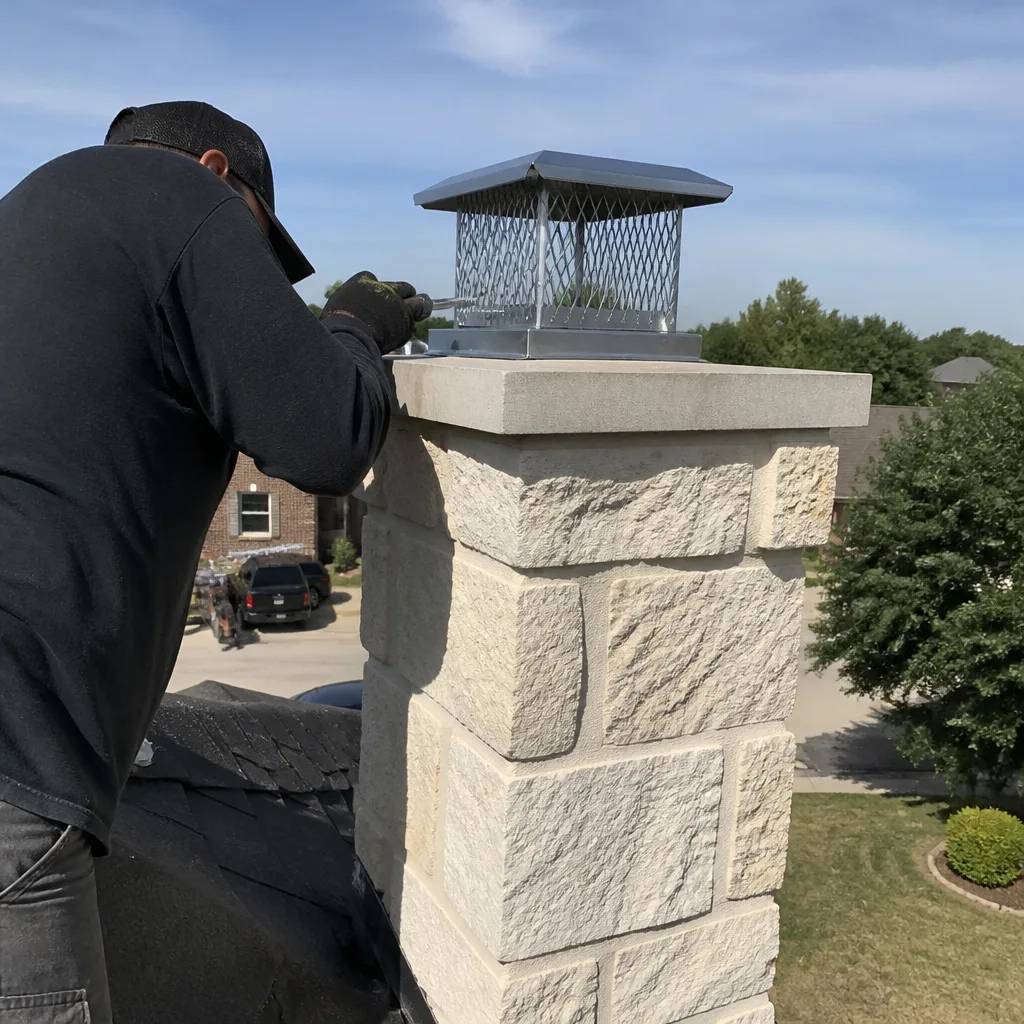
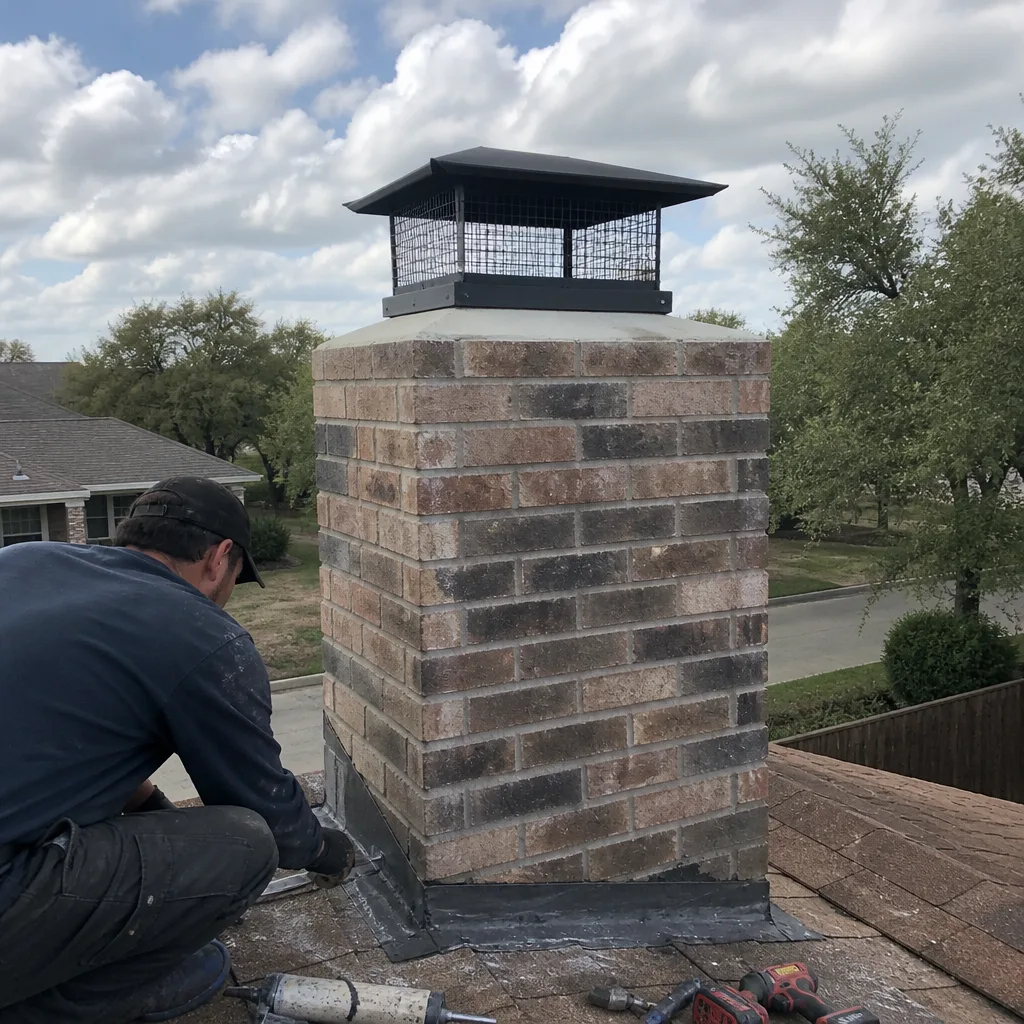
See the difference
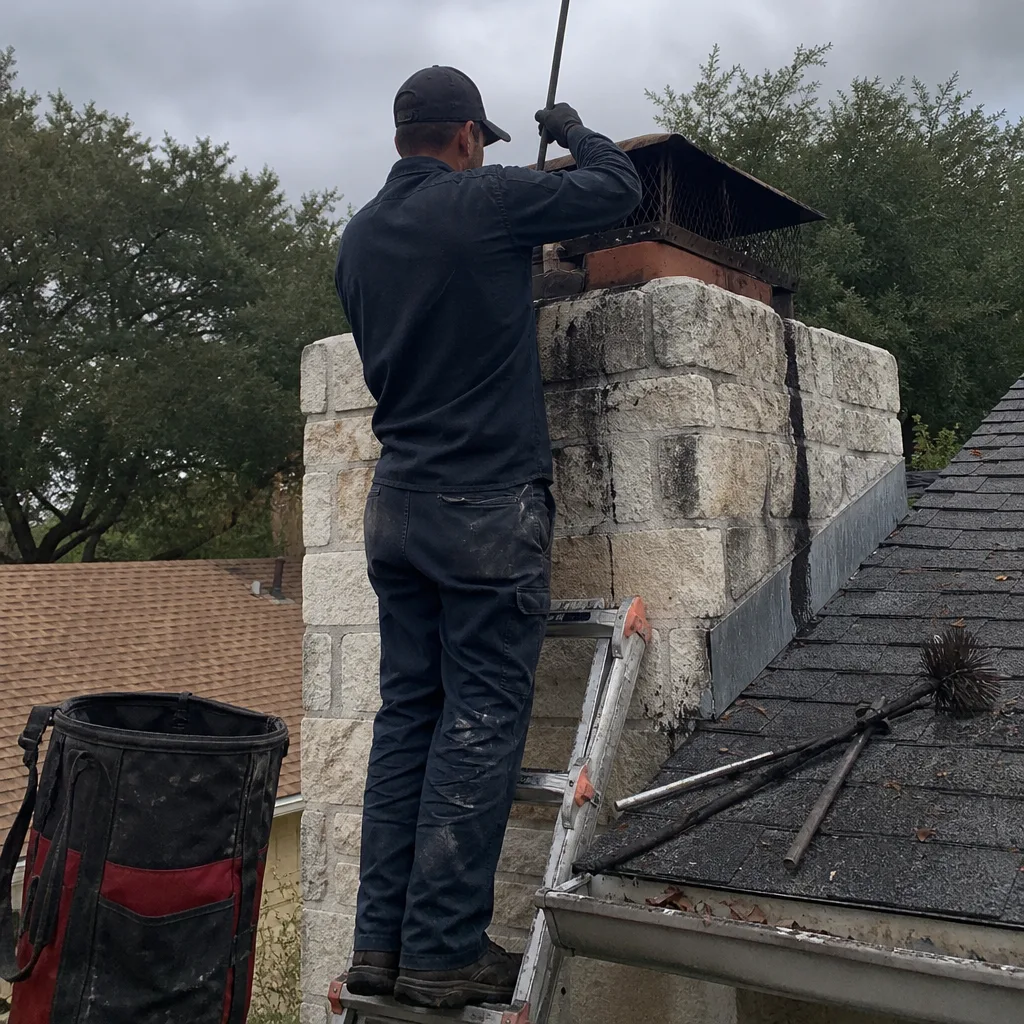 Before
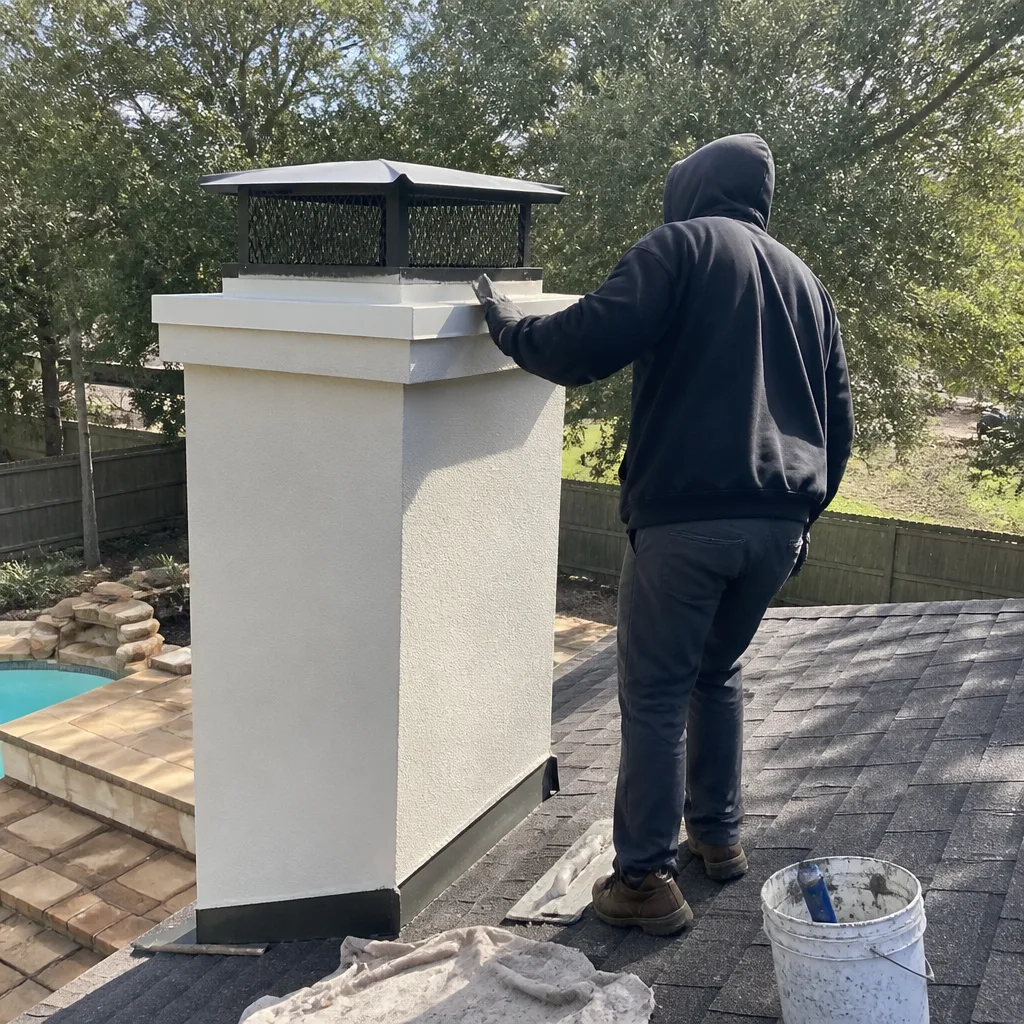 After
After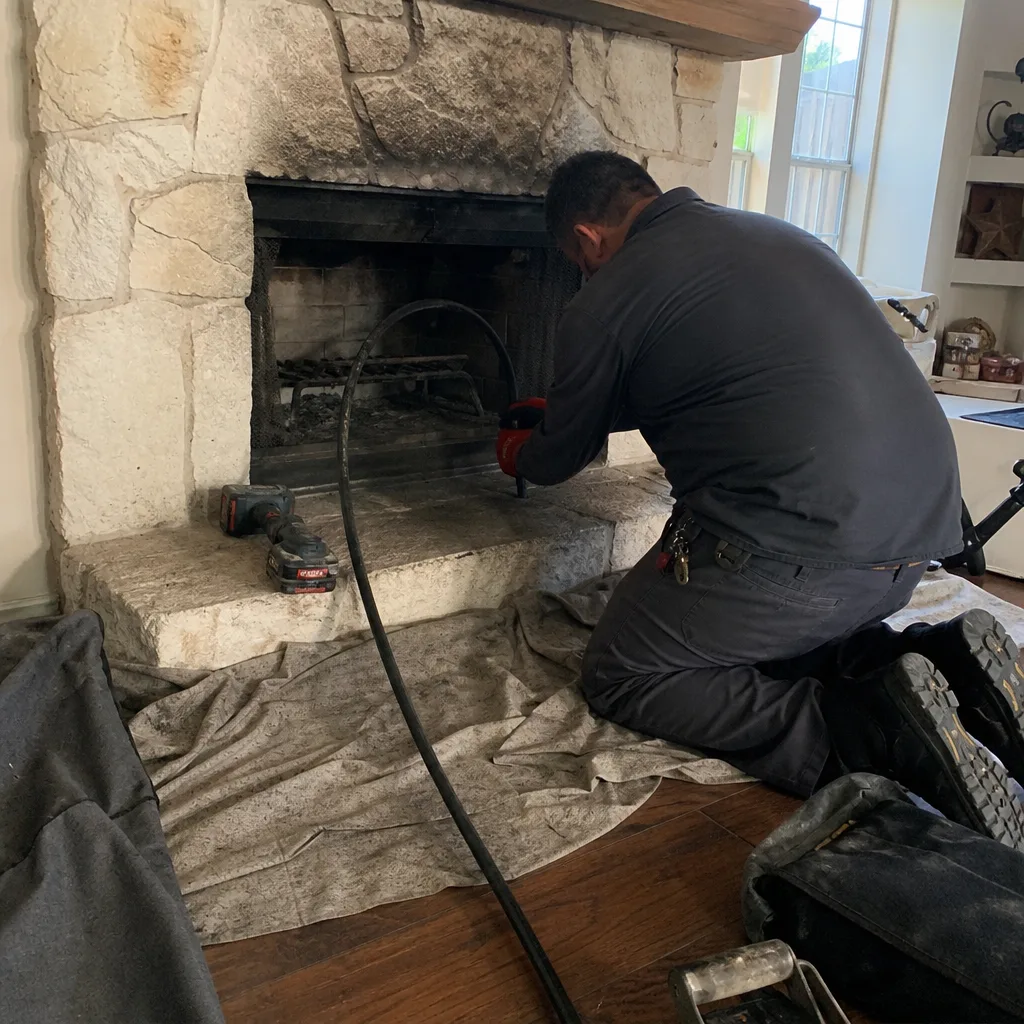 Before
 After
After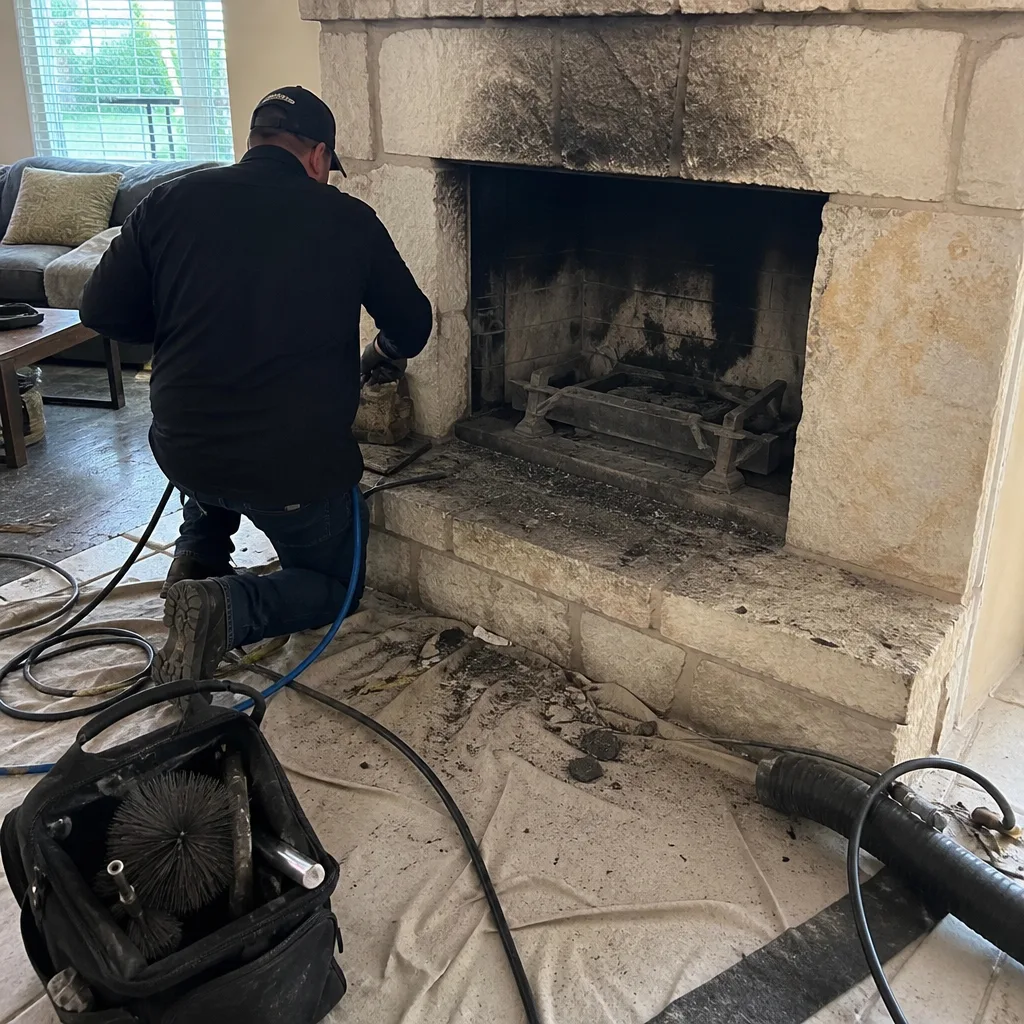 Before
 After
AfterWhen to Call a Professional
Call a professional if your chimney has not been inspected in more than two years, if you are preparing to sell your San Antonio home, if you have just bought a home with an unknown chimney history, if you see water stains on the ceiling near the fireplace, or if any previous owner made modifications without documentation. Not sure what to watch for? Read our Chimney Cleaning Warning Signs: A San Antonio Homeowner’s Reference Guide. These are the situations where a professional inspection turns questions into a written record you can use. A professional can also tell you before any work begins whether a permit is required, so you never find out the hard way. Kindling Chimney San Antonio offers free estimates in San Antonio. Call (361) 491-3153 and a live person answers, any hour, any day.
Frequently Asked Questions
No permit is required for a routine chimney cleaning or a standard visual inspection anywhere in Texas, including San Antonio. Cleaning removes creosote and soot without changing the structure, the flue, or the fuel source, so it falls under maintenance rather than regulated work.
Yes, installing or replacing a stainless steel chimney liner requires a mechanical permit through the City of San Antonio because it modifies the flue system under the Texas Mechanical Code and IRC Chapter 10. The liner must also pass a city inspection after installation, and the permit and inspection record should be kept for the life of the home.
It can, and the clause that matters is in most standard Texas policies. If a fire is traced to a chimney that was modified without a required permit, the insurance company can deny the claim on the basis that the work was not inspected. The denial can apply to the entire fire loss, not just the chimney portion.
A Level 2 inspection covers all the areas of a Level 1 inspection plus attics, crawl spaces, and other accessible areas, and it is required by NFPA 211 during any home sale, after any modification, or after a storm or chimney fire. Most San Antonio home transactions include a Level 2 chimney inspection as a condition of closing.
The NFPA 211 standard says chimneys should be swept when creosote reaches 1/8 inch of buildup, but the practical rule for most San Antonio homeowners is one sweep per burning season. Homes that burn unseasoned wood or use the fireplace heavily from November through February may need a mid-season cleaning as well.
Keep the itemized invoice, the written inspection report with photographs, any permit documentation and inspection approvals, and a written warranty or promise statement from the company. Store the file in a fireproof safe or a digital cloud copy, because the record only protects you if it survives the event it documents.
The Bottom Line
Texas draws a bright line between chimney maintenance and chimney modification, and San Antonio enforces it through the Development Services Department under the Texas Mechanical Code and IRC Chapter 10. Sweeping needs no permit. Liners, firebox rebuilds, and gas conversions do. The documents you keep after any chimney service are not just paperwork; they are the difference between a smooth home sale and a $3,000 problem at closing, and between a paid insurance claim and a denied one after a fire. If you are unsure whether your project needs a permit, call us at (361) 491-3153 and we will help you figure it out before any work begins. You can also explore more guides & resources on our blog.
Written by Danny Cortes, Owner at Kindling Chimney San Antonio, serving San Antonio since 2003.