
Last updated October 15, 2026
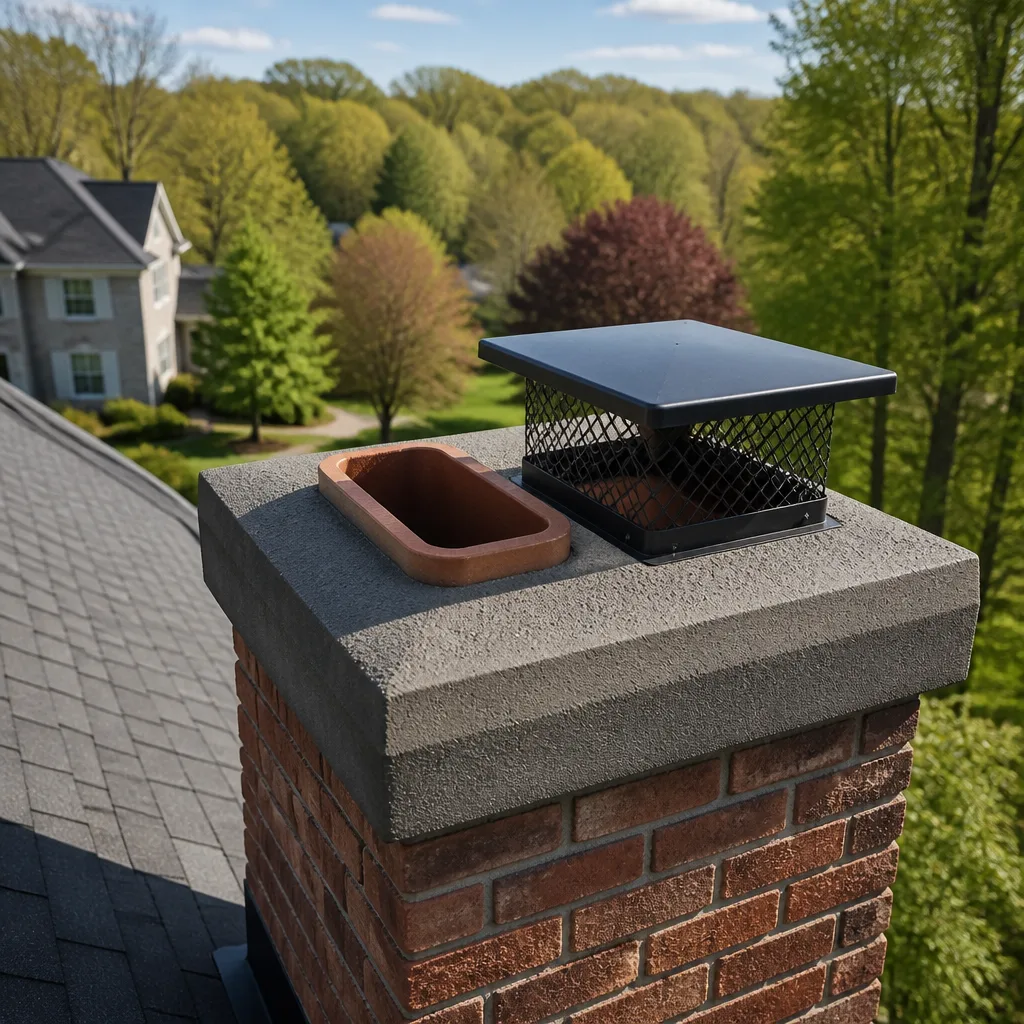 Sweep & inspection
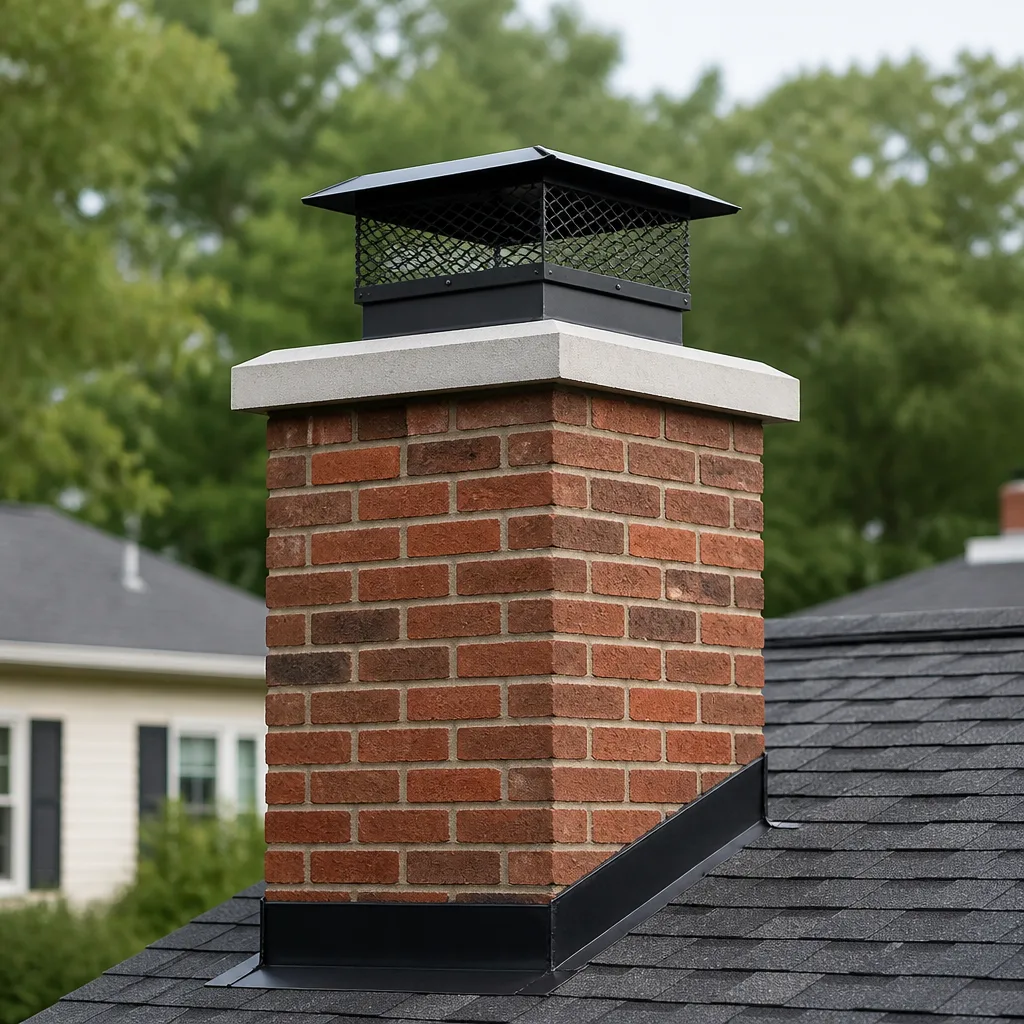 Caps & crowns
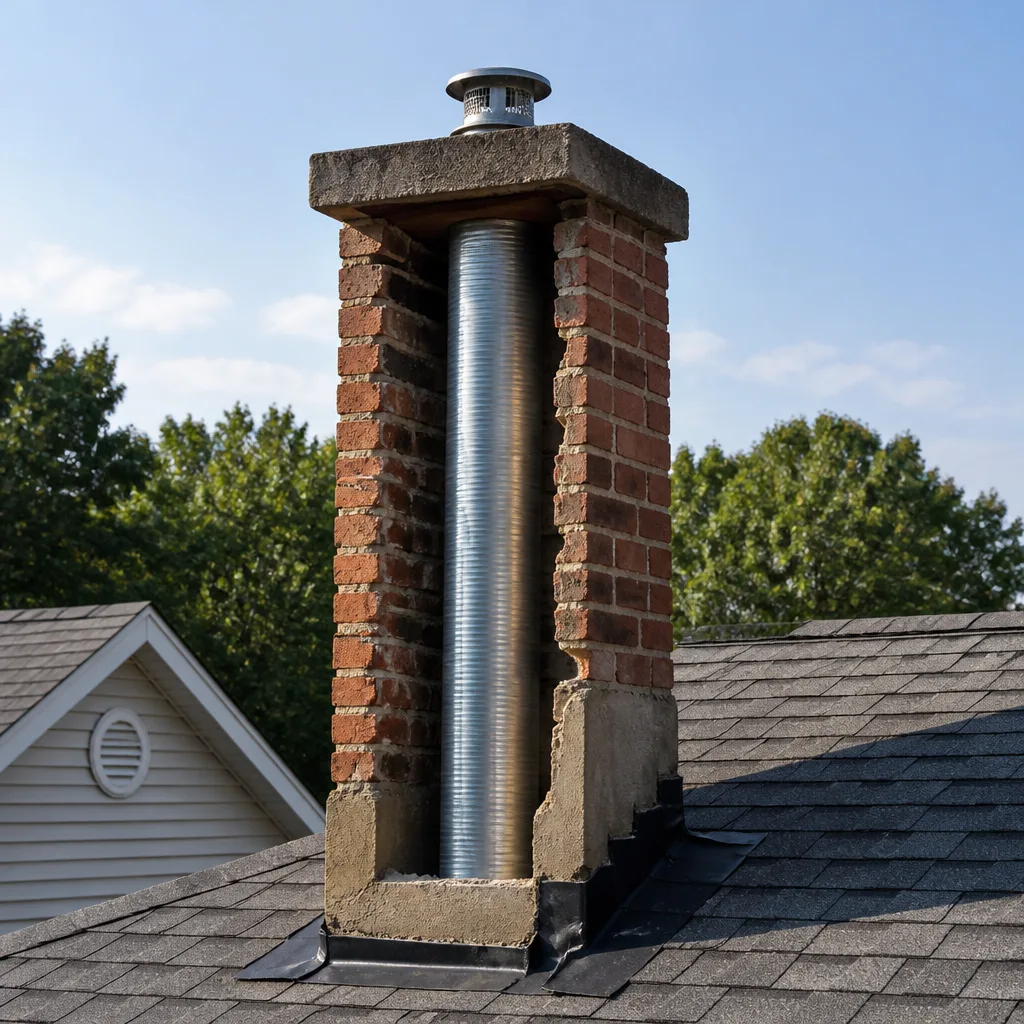 Flue relining
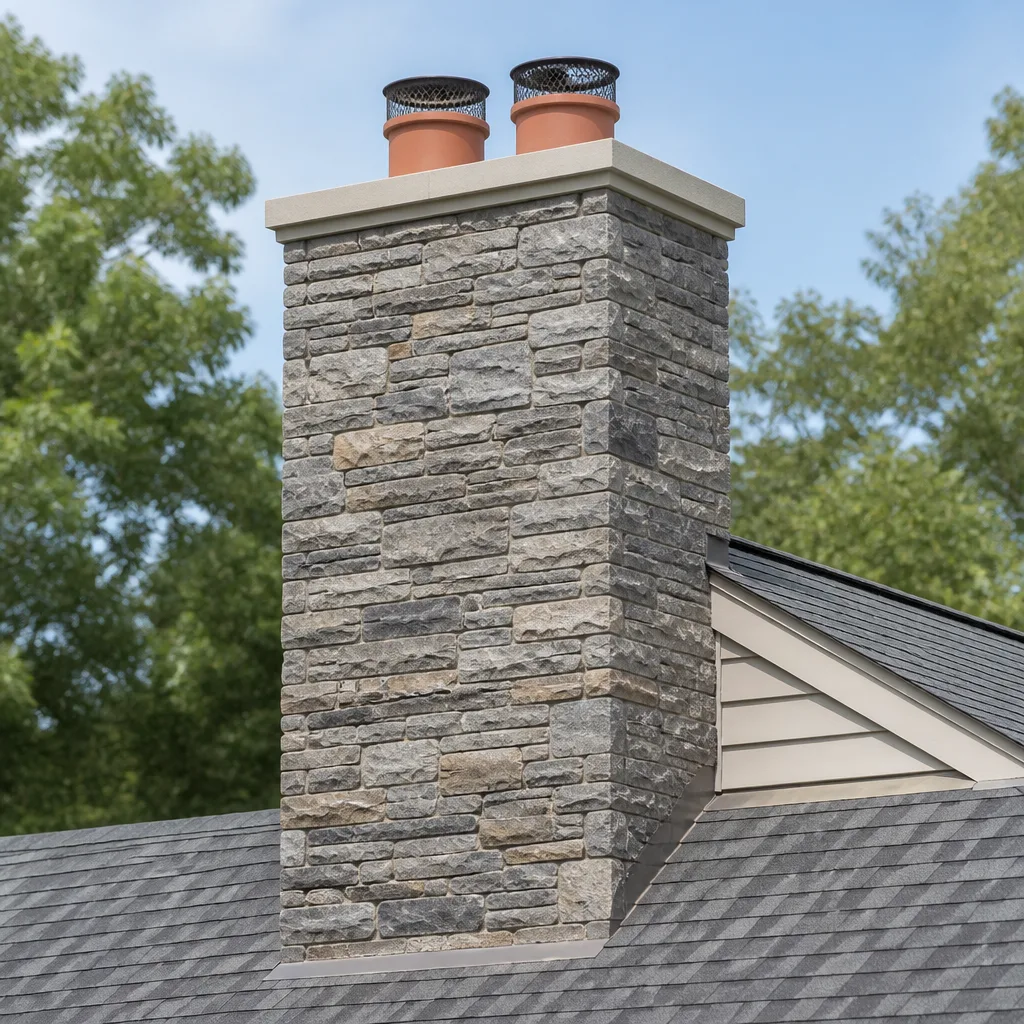 Masonry repair
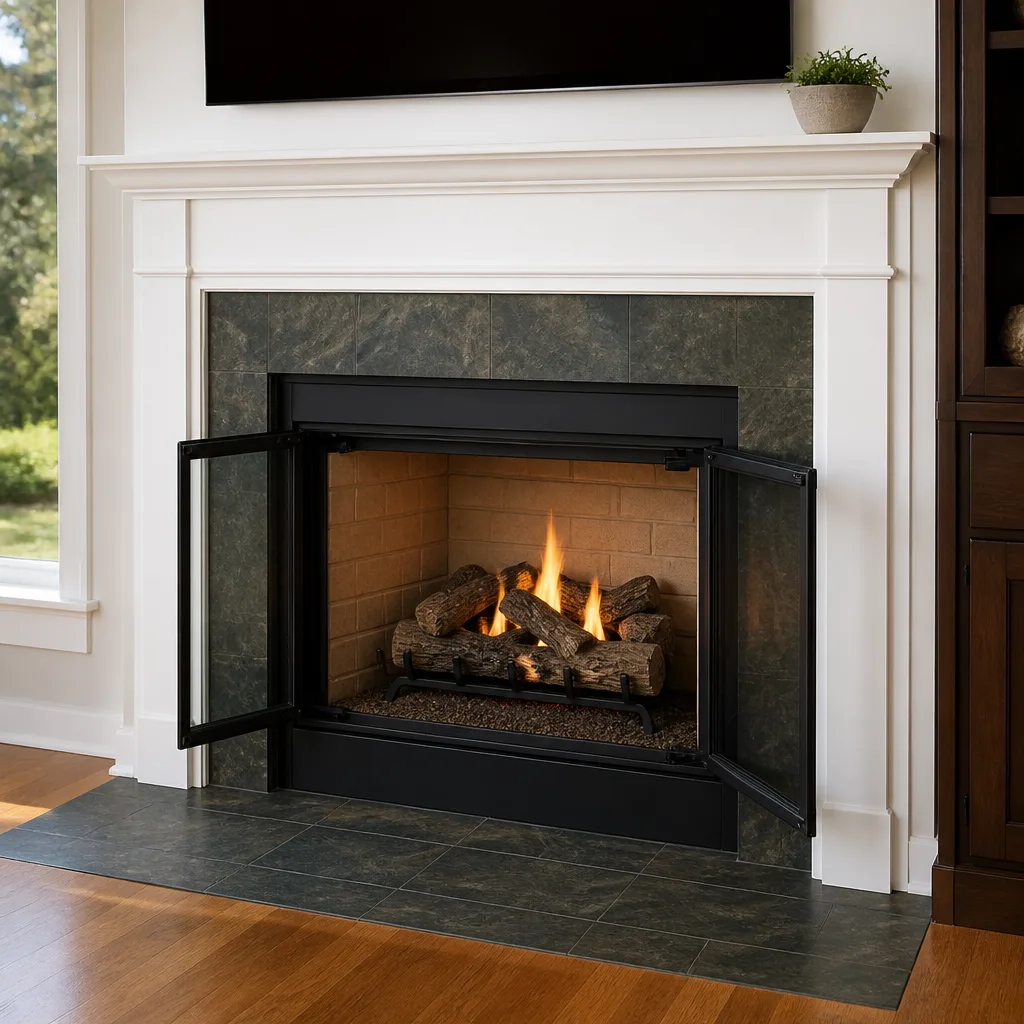 Gas fireplace service
Level 1 sweep and inspection to the NFPA 211 annual standard - flue, crown, cap, and flashing checked and photographed
Chimney sweep logs do not sweep chimneys. They loosen some creosote - which then falls where a brush and vacuum still have to collect it.
Chimney Cleaning Warning Signs: A San Antonio Homeowner’s Reference Guide
Smoke drifting into the living room on a mild February day isn’t always a draft problem, and that faint odor you notice every time the humidity spikes isn’t just “old house smell.” Most warning signs a San Antonio chimney gives are quiet, specific, and entirely explainable once you understand what’s happening inside the flue. This guide connects each symptom to the condition causing it, explains which signs are cosmetic and which are safety-critical, and gives you the vocabulary to describe exactly what you’re seeing when you call a technician. You’ll learn how San Antonio’s particular climate, from hard water to summer UV, creates warning signs other parts of Texas don’t see.
Quick Answer
The most common chimney cleaning warning signs in San Antonio are smoke backing into the room, dark staining on the fireplace face, a persistent odor during warm or humid weather, visible cracking in the firebox or chimney crown, fires that take longer to establish a good draw, and unexplained noises coming from the flue. Each sign points to a specific underlying condition, from creosote buildup to liner deterioration, and understanding the cause is what determines whether you need a sweep, a repair, or simply a change in how you build your fires. Most warning signs respond well to a professional chimney cleaning, as detailed in our Complete Guide to Chimney Cleaning in San Antonio, which typically runs between $189 and $349 for a standard sweep.
Styles & brands we work with
Table of Contents
- 1. Smoke Backdraft: When the Flue Pushes Back Instead of Pulling Up
- 2. Dark Staining on the Fireplace Face: Reading the Soot Marks
- 3. Summer Odor: The Thermal Siphon Reversal That Surprises Homeowners
- 4. Visible Cracking: Cosmetic vs. Structural Damage
- 5. Slow-Starting Fires: The Draft Deterioration Nobody Notices
- 6. Noises in the Flue: What That Rushing, Ticking, or Flapping Means
- 7. San Antonio-Specific Warning Signs: Efflorescence and Cap Corrosion
- 8. How to Document a Warning Sign for a Technician
1. Smoke Backdraft: When the Flue Pushes Back Instead of Pulling Up
Smoke entering your living room during a fire is the warning sign that gets the most attention, and for good reason. But most homeowners misdiagnose the cause. A chimney doesn’t “push” smoke back into the room, it fails to pull it upward. The flue operates on a simple pressure differential: warm air inside the chimney rises, creating negative pressure that draws combustion gases up and out. When that balance breaks, smoke follows the path of least resistance, which is often directly into your home.
In San Antonio, we see three recurring causes of backdraft. The first is creosote restriction. When a chimney hasn’t been swept in several seasons, creosote can narrow the flue opening from the inside, reducing the draft’s efficiency to the point where smoke can’t get moving fast enough. The second is a cold flue, common on those December nights when a cold front drops the temperature quickly and the chimney hasn’t warmed up. Air inside the flue gets cold and dense, forming a plug that blocks rising smoke until you’ve burned a newspaper roll or a few pieces of kindling to heat the stack. The third is negative house pressure, a growing issue in newer San Antonio homes built tight for energy efficiency. Exhaust fans, furnaces, and even a running clothes dryer can pull air down the chimney, dragging smoke with it.
What Backdraft Tells You
- Intermittent smoke on cold starts: Usually a cold flue issue. Pre-warm the flue with rolled newspaper held up high in the firebox before lighting the main fire.
- Smoke only when other appliances run: Suspect negative house pressure. Try cracking a window near the fireplace and see if the draw improves.
- Smoke that gets worse over time: This points to creosote buildup or a partial blockage. The Chimney Sweep in San Antonio we perform clears this condition safely.
- Smoke every time, regardless of conditions: This suggests a structural issue, such as a deteriorated flue liner or damaged chimney crown, and warrants a full inspection before further use.
If backdraft persists after you’ve ruled out cold starts and house pressure, stop using the fireplace and have a professional assess the flue. Continued use with a restricted draft can deposit carbon monoxide into the living space, which is why this warning sign deserves immediate attention. Our technicians at Kindling Chimney San Antonio home arrive with camera inspection equipment to see exactly what’s restricting your flue, from creosote to an unexpected animal nest.
2. Dark Staining on the Fireplace Face: Reading the Soot Marks
Dark marks creeping across the stone or brick above your fireplace opening tell a specific story. In nearly every case, that staining is a visible record of smoke that escaped the firebox and condensed on the cooler surface of the facade. What matters is where the staining sits and when it appeared.
Fresh, oily stains that appear during active burning mean smoke is rolling out of the firebox opening before it reaches the flue. This usually indicates a fire that’s built too far forward, a flue damper that’s partially closed, or a firebox that’s not sized correctly for the chimney it serves. Older, dry stains that have been there for years but are darkening could indicate a fireplace that’s been backdrafting intermittently for a long time, depositing soot layer by layer. In San Antonio, where many homes were built during the 1950s and 1960s construction boom, we regularly see original masonry fireplaces with decades of accumulated staining that hide underlying issues.
Staining on the exterior chimney chase is a different matter entirely. Dark streaks running down the outside of a metal chase or across brick on the roof side often indicate water intrusion, not smoke. Water carries soot and creosote particles out of the flue and deposits them on exterior surfaces as it evaporates. If you’re seeing dark streaks on the outside of your chimney, you may need a Chimney Inspection in San Antonio to rule out a cracked liner or failed flashing.
Quick Staining Triage
- Run a clean finger across the stain. Oily residue means recent smoke contact. Dry, powdery residue means old deposition or water-carried minerals.
- Note whether the stain grows during fireplace use. Active growth means a live exhaust problem. Static staining means the issue is historical or water-related.
- Check the damping position. A half-closed damper forces smoke toward the room side of the opening and accelerates facade staining.
- Look for staining above windows or doors in the same room. Widespread staining throughout the house points to a house-wide pressure problem, not just the fireplace.
3. Summer Odor: The Thermal Siphon Reversal That Surprises Homeowners
A smoky smell on a warm February afternoon in San Antonio isn’t a draft problem in the traditional sense, it’s often a thermal siphon reversal caused by the outdoor temperature rising faster than the flue. Understanding this mechanism is what separates a small repair from an expensive emergency that isn’t actually an emergency.
Here’s how it works. During winter, heat inside the chimney creates a constant upward current, the thermal siphon every fireplace depends on. In summer, or during those San Antonio spring days when the temperature climbs into the 80s while the flue interior stays cool from the night before, the direction of the airflow reverses. Warmer, more humid outdoor air wants to move down into the cooler chimney space, bringing the odor of creosote deposits and old soot with it. The smell is most noticeable in the room with the fireplace because air entering through the chimney escapes through the firebox opening.
This condition is rarely dangerous by itself, but it’s unpleasant, and it tells you something useful: there’s enough creosote or soot residue in the flue to produce an odor when airflow reverses. A thorough sweep removes the odor source entirely, and in many cases, that’s all that’s needed-see our Chimney Sweep Maintenance Checklist for San Antonio Homeowners for what to expect. Some homeowners also benefit from a top-sealing damper, a device that closes at the top of the flue rather than just above the firebox, blocking the downdraft path entirely. We mention this option when the odor persists after cleaning, but we never push it on a customer who hasn’t first tried the basic sweep.
If the summer odor has a sharp, acrid quality rather than a smoky one, or if it’s accompanied by visible staining on the ceiling near the chimney, have it evaluated. These can indicate a more serious condition, such as moisture combining with creosote to form acidic deposits that eat at the liner. A camera inspection through the flue gives you the answer in about twenty minutes.
4. Visible Cracking: Cosmetic vs. Structural Damage
Cracks in a chimney are inevitable in San Antonio. The city’s clay-rich soils expand and contract with moisture cycles, and our seasonal temperature swings, from near-freezing winter mornings to triple-digit summer afternoons, put every masonry structure through repeated thermal stress. The question isn’t whether your chimney will crack, it’s whether the crack you’re seeing affects safety or whether it’s simply the masonry doing what masonry does.
Where the Crack Is Matters Most
- Cracks in the firebox (the brick-lined area where the fire burns): These are usually cosmetic when they’re hairline and hairline only. The firebox is built to withstand direct flame, and small surface cracks in the firebrick or refractory mortar don’t typically threaten the structure. Cracks wide enough to fit a nickel, or cracks that open and close as the fire burns, are structural and should be assessed.
- Cracks in the chimney crown (the concrete cap at the top): This is the most common entry point for water damage. Even a hairline crack in the crown lets rain into the chimney chase, where it deteriorates the liner, rusts the damper assembly, and eventually shows up as stains on your ceiling. Crown cracks are high-priority regardless of size, and San Antonio’s annual average rainfall of around 32 inches means every crack gets tested.
- Cracks in the flue liner (visible only via camera): The liner is the barrier between combustion gases and the combustible materials around your chimney. Cracks in a clay liner, or deterioration in a metal liner, are safety-critical because they create a path for heat and carbon monoxide to reach wood framing. You can’t see liner cracks from the ground, which is why a camera inspection matters.
- Cracks in the exterior brick (the veneer): Often cosmetic, but worth monitoring. If cracks follow the mortar joints in a stair-step pattern, or if they’re wider at one end than the other, they may indicate foundation movement. San Antonio’s expansive soils make this more common than in other parts of Texas.
The Fireplace Repair in San Antonio we perform ranges from simple crown sealing to full flue liner replacement, and the difference often comes down to whether a small crack was caught early or allowed to expand through several seasons of moisture intrusion. Early intervention on a crown crack usually costs a few hundred dollars. A deteriorated liner replacement runs into the thousands.
5. Slow-Starting Fires: The Draft Deterioration Nobody Notices
There’s a warning sign most San Antonio homeowners ignore for years, partly because it develops slowly and partly because no one thinks to time their fires. It’s a gradual decline in how easily a fire establishes itself. A fireplace that used to roar to life with a single match and a few pieces of kindling now needs twenty minutes of coaxing, newspaper layers, and careful tending before it holds. That slow deterioration of draft performance is often the earliest indicator of liner damage.
The mechanism is straightforward. A healthy flue liner provides a smooth, insulated passage that heats quickly and maintains a strong draw. As creosote accumulates and the liner ages, the interior surface becomes rougher and more absorbent. Heat that should be driving the draft gets absorbed by the creosote mass or lost through developing cracks. The chimney still works, but it works less efficiently each season. By the time you’re noticing that fires are harder to start, the creosote layer may be thick enough to justify several sweeps, and the liner may be showing early signs of deterioration that would have been caught sooner with regular attention.
If you’ve noticed this pattern, try timing your next fire start. A well-maintained chimney in San Antonio, given properly seasoned wood and a reasonable stack, should establish a self-sustaining fire within five to ten minutes of lighting the kindling. If you’re routinely past the fifteen-minute mark, the flue is telling you something. The fix may be as simple as a thorough sweep, but a camera inspection during that visit will tell you whether the liner itself is contributing to the problem.
6. Noises in the Flue: What That Rushing, Ticking, or Flapping Means
A chimney that talks to you is a chimney worth listening to. Different sounds point to different conditions, and in our experience across San Antonio’s varied housing stock, from King William Historic District homes to Alamo Heights builds from the mid-century, each noise has a consistent explanation.
- A rushing or roaring sound when no fire is burning: This is usually wind passing over the chimney top creating a pressure difference, the same principle that makes a bottle hum when you blow across it. It typically means the chimney cap is missing or damaged, allowing wind to enter. The fix is a properly sized cap, and we use caps from Olympia Chimney and Copperfield for most installations.
- Ticking or creaking during fires: This is thermal expansion. As the liner and masonry heat up, they expand, and metal components, especially in a metal chase, make noise. Occasional ticking is normal. Loud, persistent ticking that sounds like dripping or knocking could indicate a deteriorating metal liner or a damper assembly that’s working loose.
- Flapping during windy weather: A flapping sound almost always comes from a damaged or improperly secured chimney cap. Wind catches the edge and makes it vibrate. It’s more annoying than dangerous in the short term, but a flapping cap is also a cap that isn’t keeping rain and animals out.
- Chirping and scratching: That’s not a warning sign, that’s a current resident. Birds, squirrels, and occasionally raccoons make their way into uncapped flues. In San Antonio, chimney swifts are protected under federal law, and nests can’t be removed during the nesting season. If you hear active chirping in the spring, wait it out and have a professional install a cap after the birds have left. We’ve handled this in neighborhoods across the city, and the pattern is consistent: homes without caps get visitors, homes with properly installed caps don’t.
- A hollow echo when you tap the chimney exterior: This is a diagnostic sound, not a random noise. Tapping a masonry chimney and hearing a hollow response can indicate that mortar joints have deteriorated and bricks are no longer fully bonded. It’s not a definitive test, but it’s a useful triage step.
7. San Antonio-Specific Warning Signs: Efflorescence and Cap Corrosion
Two warning signs show up in San Antonio with a frequency that surprises homeowners from other regions. The first is efflorescence, the white, chalky deposit that sometimes appears on exterior brick and inside the firebox. It looks alarming, but efflorescence itself is harmless, it’s simply mineral salts left behind when water moves through masonry and evaporates. What makes San Antonio unusual is the source of the water. Our municipal water supply is hard, meaning it carries a high dissolved mineral load, and when sprinkler systems spray against chimney bases, or when rain with a high mineral content soaks into brick, the resulting efflorescence can be heavier than what you’d see in softer-water regions like the Pacific Northwest.
The warning sign isn’t the efflorescence. It’s the water movement efflorescence reveals. If you’re seeing white deposits on your chimney exterior, water is entering the masonry and moving through it, and that’s a condition worth investigating. Inside the firebox, efflorescence often indicates a chimney that’s taking on water from above, either through a cracked crown or failed cap. The mineral deposit is cosmetic and can be brushed away. The water entry is structural and won’t fix itself.
The second San Antonio-specific sign is cap corrosion on galvanized steel. Galvanized steel is common for chimney caps across Texas because it’s affordable, but our summer sun exposure is brutal on the galvanized coating. UV radiation breaks down the zinc layer over years of direct exposure, and once the underlying steel is exposed, rust begins. The telltale is a cap with a chalky residue on the surface (the dying galvanization) followed by rust stains that run down the chimney chase during rain. If your cap is showing rust, it’s time to replace it before the rusted metal fails and drops into the flue. We stock caps in stainless steel and copper for San Antonio homes, and the small price premium over galvanized buys decades of additional life in our climate.
8. How to Document a Warning Sign for a Technician
The most productive phone call to a chimney company is one where the homeowner can describe what they’re seeing and hearing with precision. You don’t need technical vocabulary, you need observational detail. Here’s a step-by-step method for documenting what you’re experiencing, which also helps you track whether a condition is getting better or worse over time.
- Note the conditions. Was it raining? Was the temperature outside climbing fast? Was another appliance running? Was the furnace on? Write down the weather and the house’s state at the moment you noticed the symptom.
- Describe the location. Where exactly did you see the smoke, staining, or water? “Smoke came out of the top of the fireplace opening, not the sides” is more useful than “smoke came into the room.”
- Time it. How long did the symptom last? Does it fade after the fire gets going, or does it persist? If you can, note the time between lighting the fire and the first sign of smoke.
- Photograph it. Take a photo each time the symptom appears. For staining, a photo every few weeks shows whether it’s growing. For exterior cracks, a photo from the same angle over time shows whether the crack is widening.
- Pick one smell descriptor. Smoky, acrid, musty, or chemical? Smoky indicates creosote. Acrid suggests something is burning that shouldn’t be. Musty means moisture. Chemical is a red flag for a foreign object or material in the flue.
- Tell the technician when it started. Even a rough timeline helps. “We first noticed this last November” versus “this has been happening for years but it’s getting worse” leads to different diagnostic paths.
This documentation does two things. It speeds up the on-site assessment, and it gives you a record that helps you distinguish a worsening problem from a static one. In San Antonio, where fireplace use is seasonal and symptoms may not appear for months at a time, written notes from last winter are often more reliable than memory is.
Common Mistakes to Avoid
- Assuming smoke backs up because the flue needs sweeping. Backdraft has several causes, and cleaning only fixes one of them. A professional assessment determines whether the issue is creosote, cold starts, or house pressure. In our experience, about a third of backdraft calls in San Antonio are resolved without a sweep at all.
- Ignoring a cracked chimney crown because it’s small. Small crown cracks are the leading cause of big damage in San Antonio chimneys. Water intrusion through a hairline crack destroys liners and framing, and the repair cost grows exponentially each year you wait.
- Cleaning efflorescence without addressing the water source. Brushing away white deposits is purely cosmetic. If the water entry continues, the deposits return, and the damage behind them deepens. Find the leak first.
- Delaying a liner assessment because the fireplace still “works.” The slow deterioration of draft performance is easy to rationalize away. By the time a liner fails enough to be obvious, the surrounding structure may already have heat damage.
- Using a galvanized cap on a south-facing San Antonio chimney. UV exposure destroys galvanized coatings in a handful of years. Stainless or copper costs more upfront and lasts dramatically longer in our sun.
- Waiting until fall to address summer odor. The odor is a signal that creosote is present. Scheduling a sweep in the summer means the chimney is clean before burning season, so you’re never competing for the same appointment slots everyone else wants in October.
- Reporting “something smells weird” without more detail. Technicians can diagnose faster when you describe the smell specifically: smoky, acrid, musty, or chemical. Each one points toward a different cause.
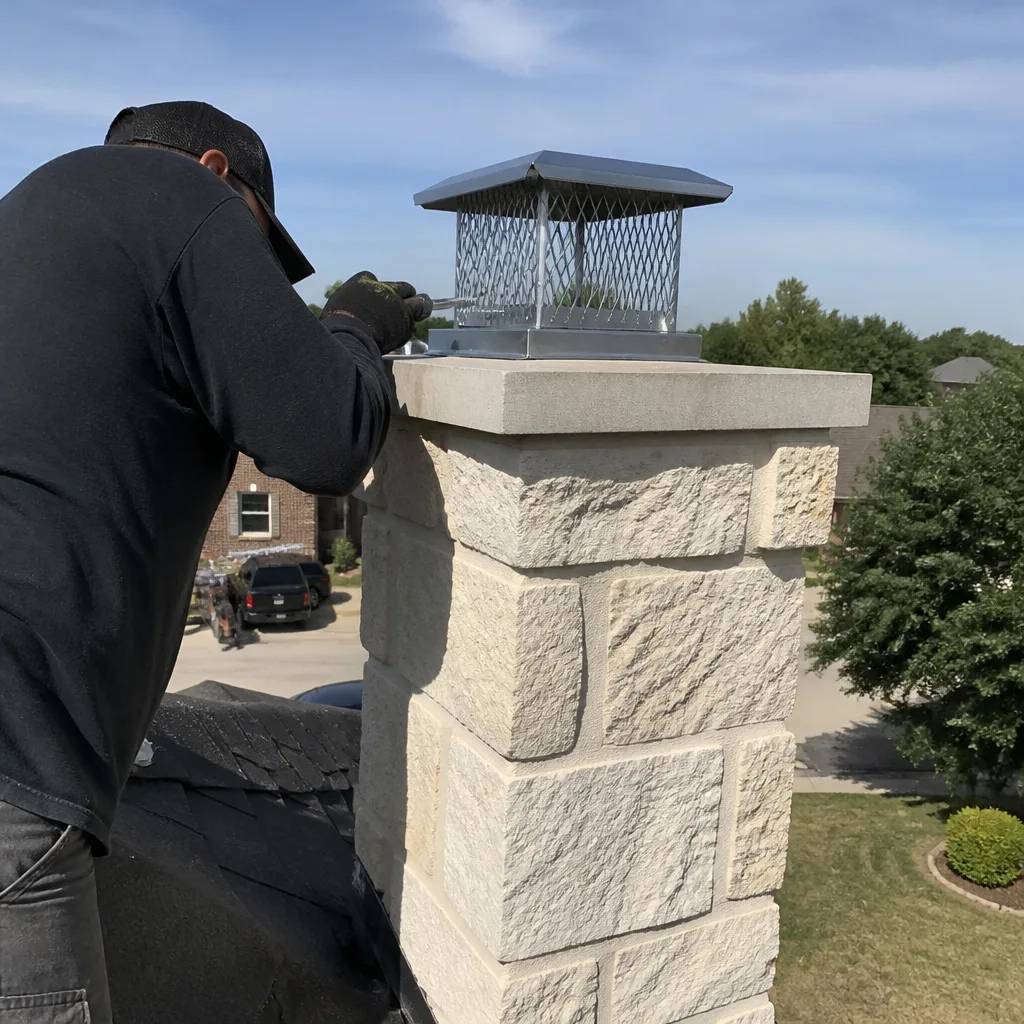
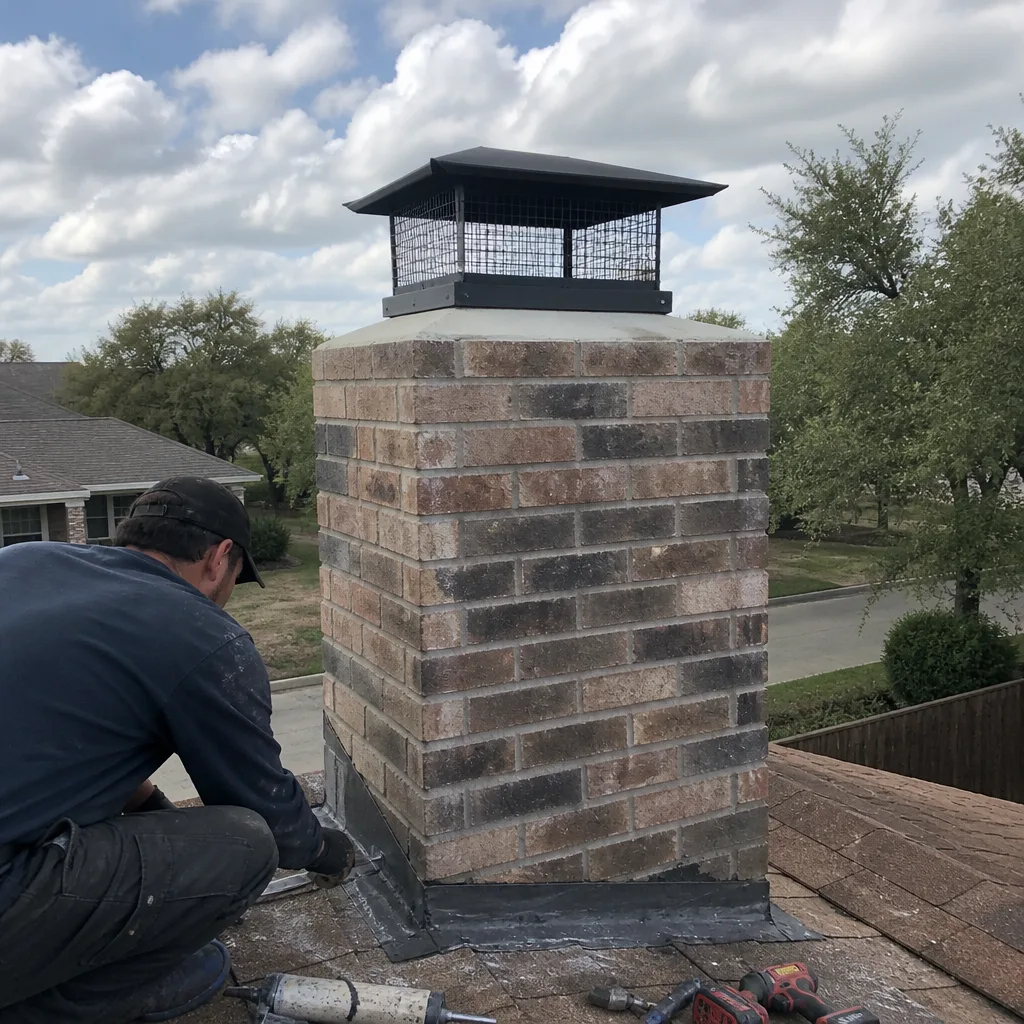
See the difference
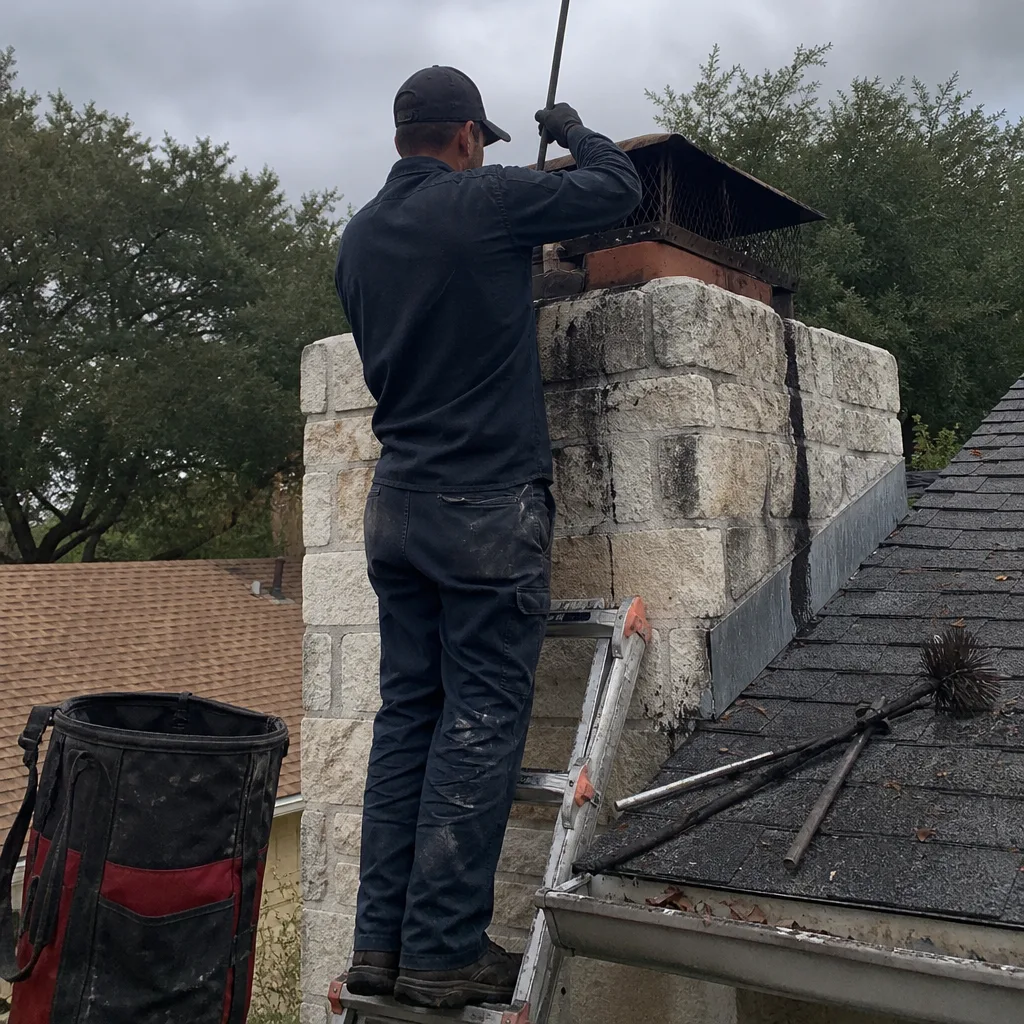 Before
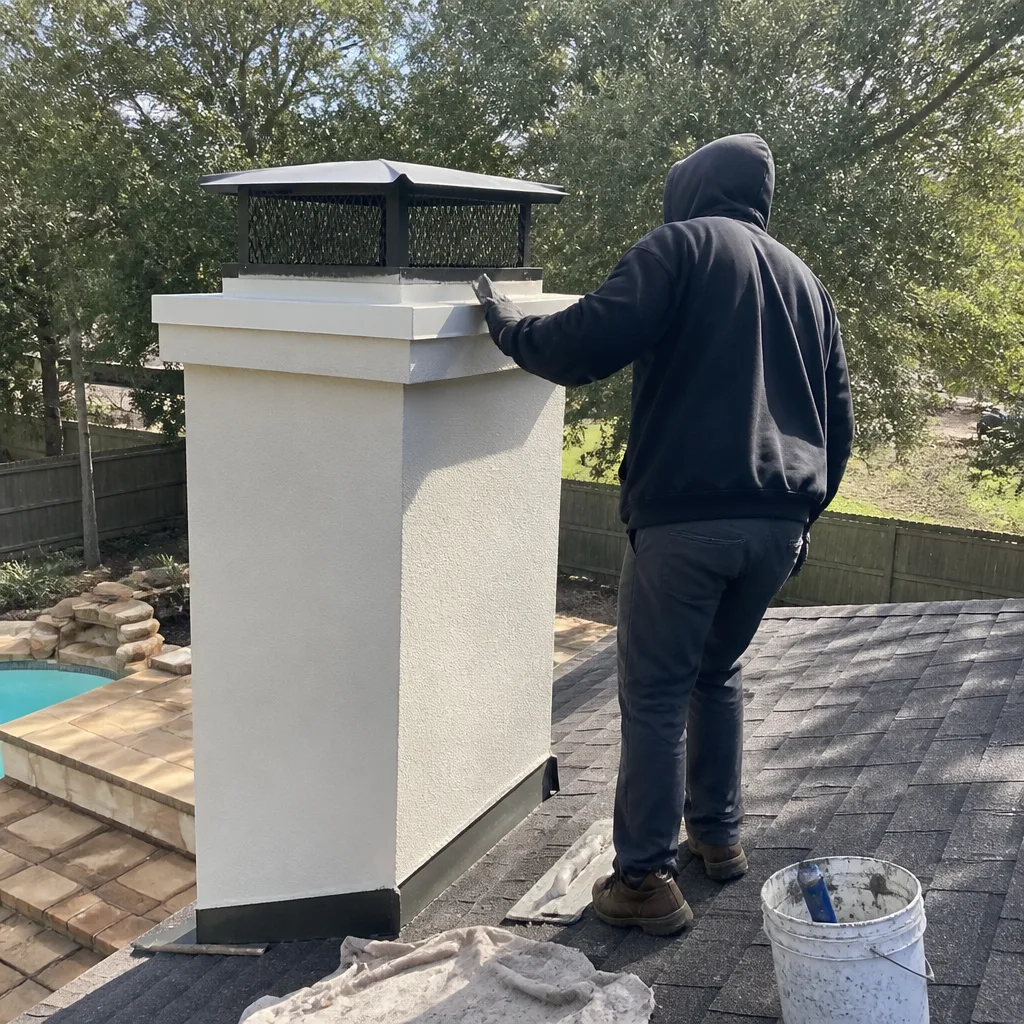 After
After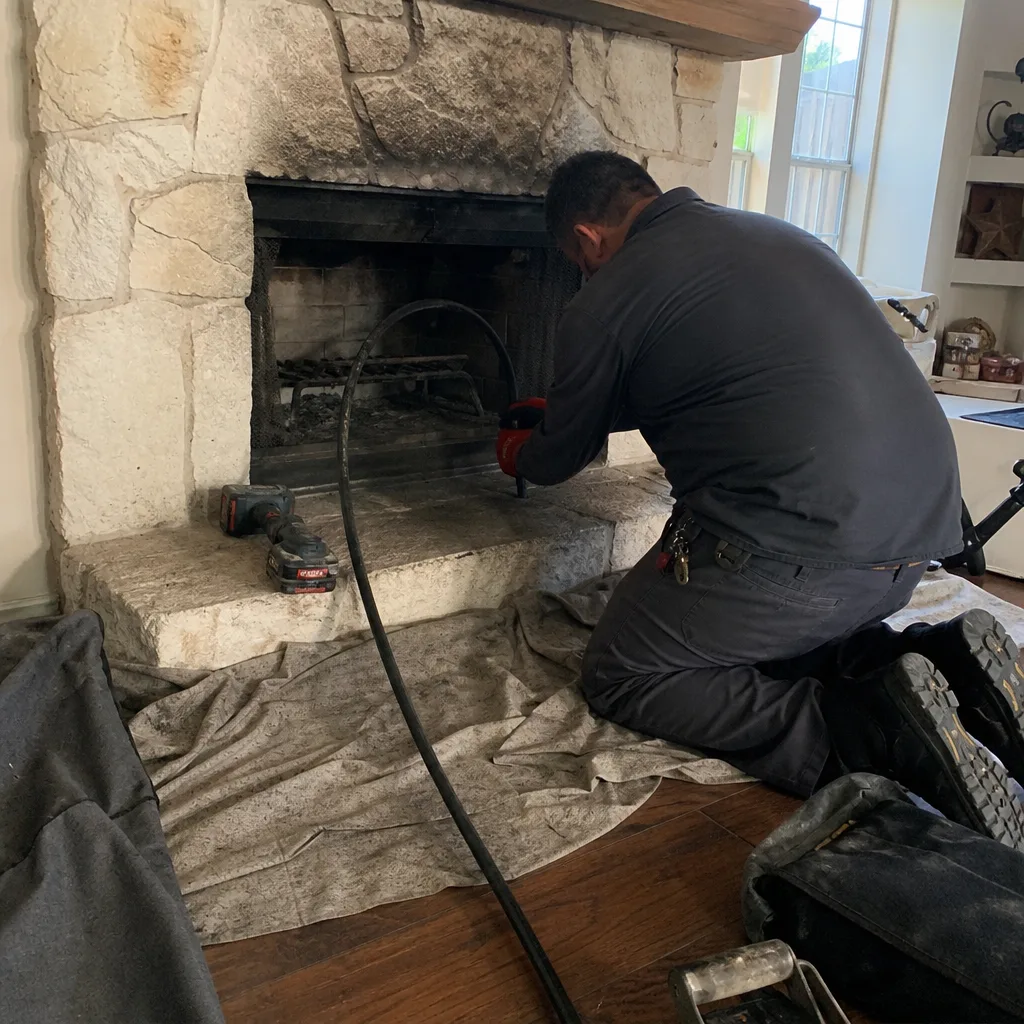 Before
 After
After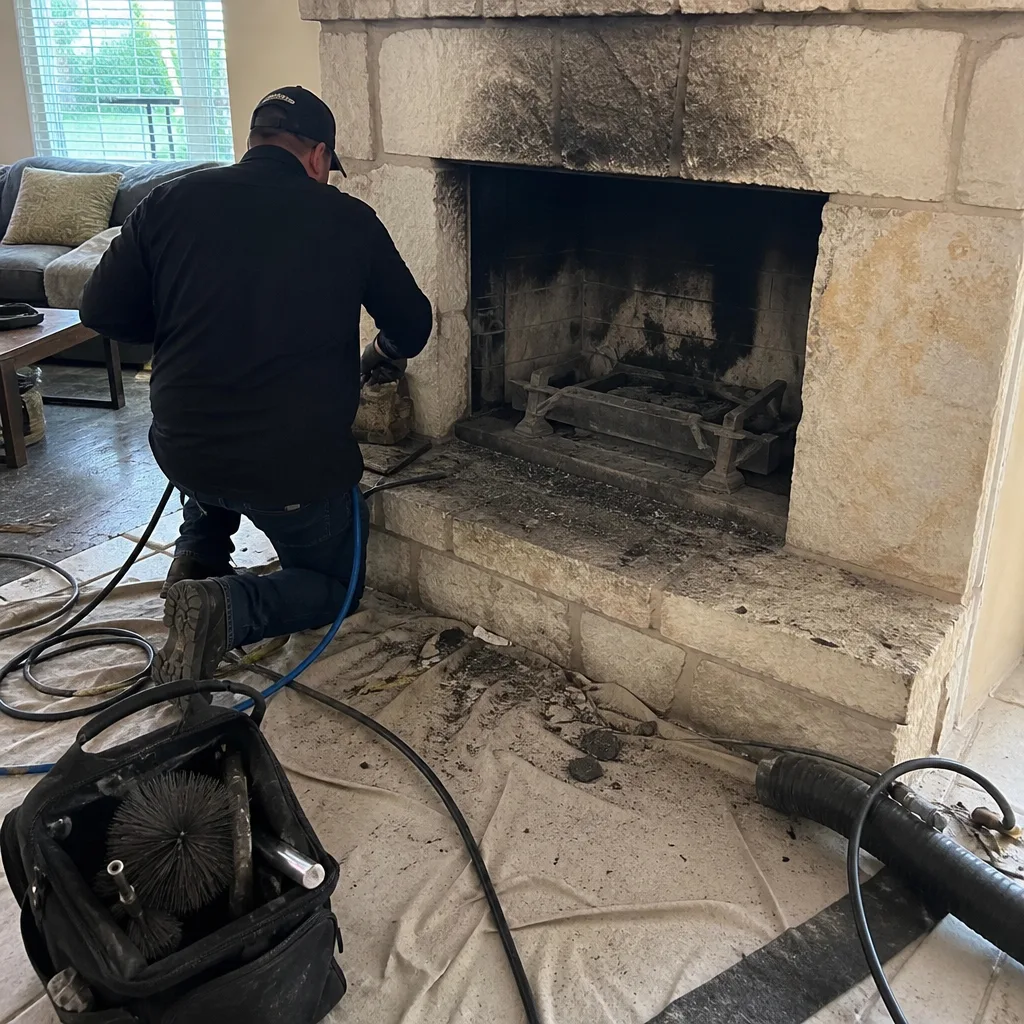 Before
 After
AfterWhen to Call a Professional
Some warning signs are observational curiosities. Others are calls to action. You should have a professional evaluate your chimney if you experience any of the following: smoke entering the living space during normal use, a smell that persists after a sweep has been completed, cracks in the chimney crown regardless of size, water stains on the ceiling near the chimney chase, or sounds coming from the flue that weren’t there before. You should also schedule a professional assessment if you’ve lived in your San Antonio home for more than a year and have never had the chimney inspected, whatever the visible condition. Kindling Chimney San Antonio offers free estimates in San Antonio, call (361) 491-3153 to schedule one. We’ll send a background-checked technician in uniform, with shoe covers and drop cloths before any work begins, and you’ll have a written price in hand before we ask for a commitment.
Frequently Asked Questions
A standard chimney sweep in San Antonio typically runs between $189 and $349, depending on the level of creosote buildup, the accessibility of the chimney, and whether you add a camera inspection. The higher end of that range usually reflects a chimney that hasn’t been swept in several seasons or one with a nest or blockage requiring removal. For an exact quote on your chimney, call (361) 491-3153 and we’ll give you a written price before any work starts.
Try the cold-start test. If smoke backs up only during the first five minutes of burning and then draws fine once the fireplace is hot, the issue is likely a cold flue, and the short-term fix is pre-warming with a newspaper roll. If smoke backs up even when the chimney is thoroughly warm, or if the backdraft has been getting worse over multiple seasons, creosote buildup or liner damage is likely, and a professional cleaning or inspection is the next step.
That depends entirely on what a camera inspection shows. Minor creosote buildup cleans right off. Cracks, deep spalling, or separated clay tiles cannot be cleaned away, and they’re a safety concern, not a cosmetic one. We never recommend a liner replacement without showing you the camera footage, so you can see exactly what we’re seeing before making a decision.
For a fireplace used regularly during burning season, once per year is the standard recommendation, ideally in late summer or early fall before heavy use begins. San Antonio’s burning season is shorter than in northern climates, but our humidity creates conditions where creosote can absorb moisture and become more corrosive between burns, so annual maintenance still matters even with lighter use.
The layer of creosote inside the flue thickens, absorbs moisture from San Antonio’s humid air, and becomes more corrosive to the liner while also restricting the draft. Fires become harder to start, odors intensify during warm weather, and the risk of a chimney fire, where creosote ignites and burns at extremely high temperatures, increases each season. The fix is still a thorough cleaning in most cases, but the longer creosote sits against the liner, the more likely the liner itself has begun to deteriorate.
We don’t recommend it. A proper chimney sweep requires access to the roof in most San Antonio homes, the right brushes sized to your specific flue dimensions, and an understanding of what creosote levels mean for your specific liner type. More importantly, the safety value of a professional visit comes from the camera inspection that documents the liner’s condition, which DIY methods can’t provide. If cost is the concern, call (361) 491-3153 and we’ll give you a straight price before you commit.
The Bottom Line
Each warning sign a chimney gives you is specific, knowable, and fixable when you catch it early. Smoke backdraft points to draft or blockage issues. Dark staining tells a story about where smoke has been escaping. Summer odor reveals the thermal siphon reversal and the creosote that feeds it. Cracks in the crown are urgent even when hairline, and a slow decline in fire-starting ability is often the first whisper of liner trouble. San Antonio adds its own signatures, from hard-water efflorescence to UV-rusted caps. Understanding the cause behind each sign is what separates a $250 sweep from a $3,000 liner replacement, and you can find more guides & resources on our blog. When you’re ready for a professional’s eyes on your chimney, call Kindling Chimney San Antonio at (361) 491-3153 for a free estimate, and you’ll know exactly what’s happening before you spend a dollar.
Written by Danny Cortes, Owner at Kindling Chimney San Antonio, serving San Antonio since 2003.