
Last updated October 15, 2026
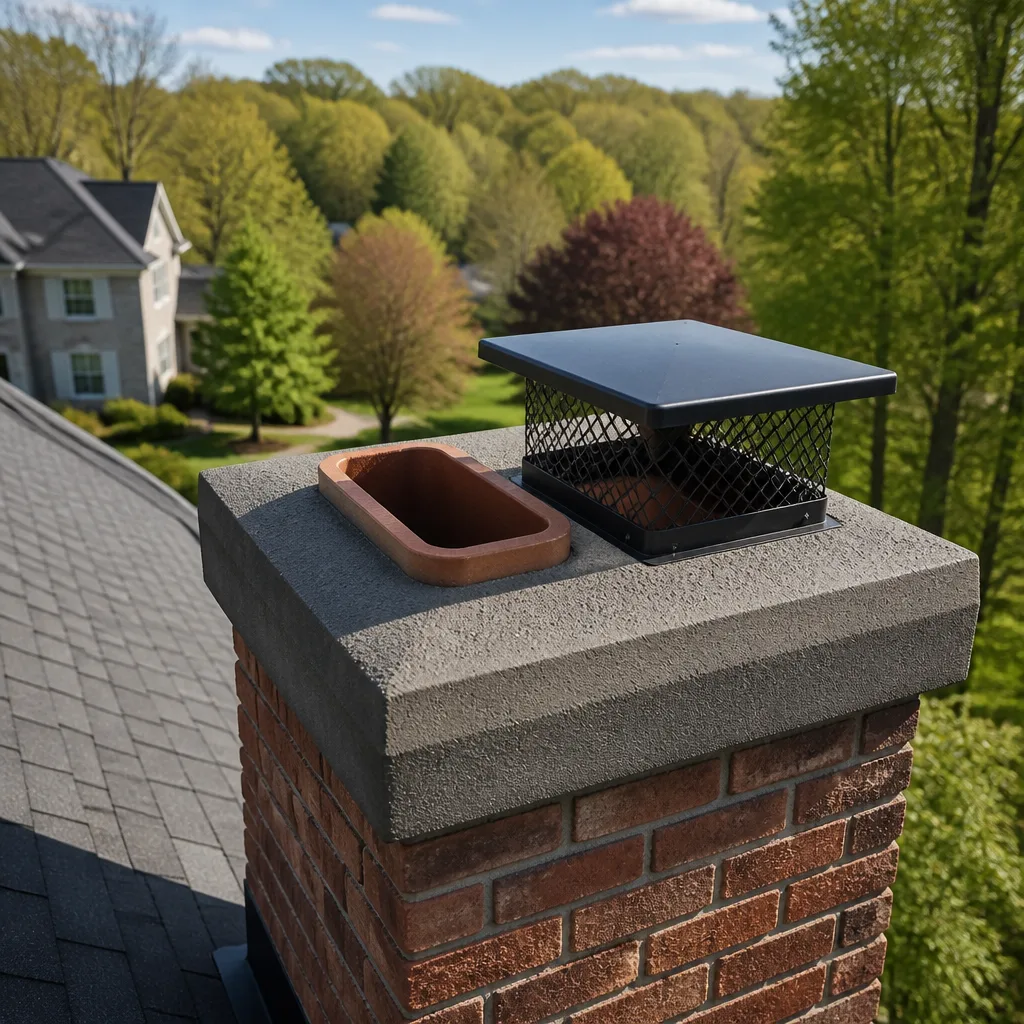 Sweep & inspection
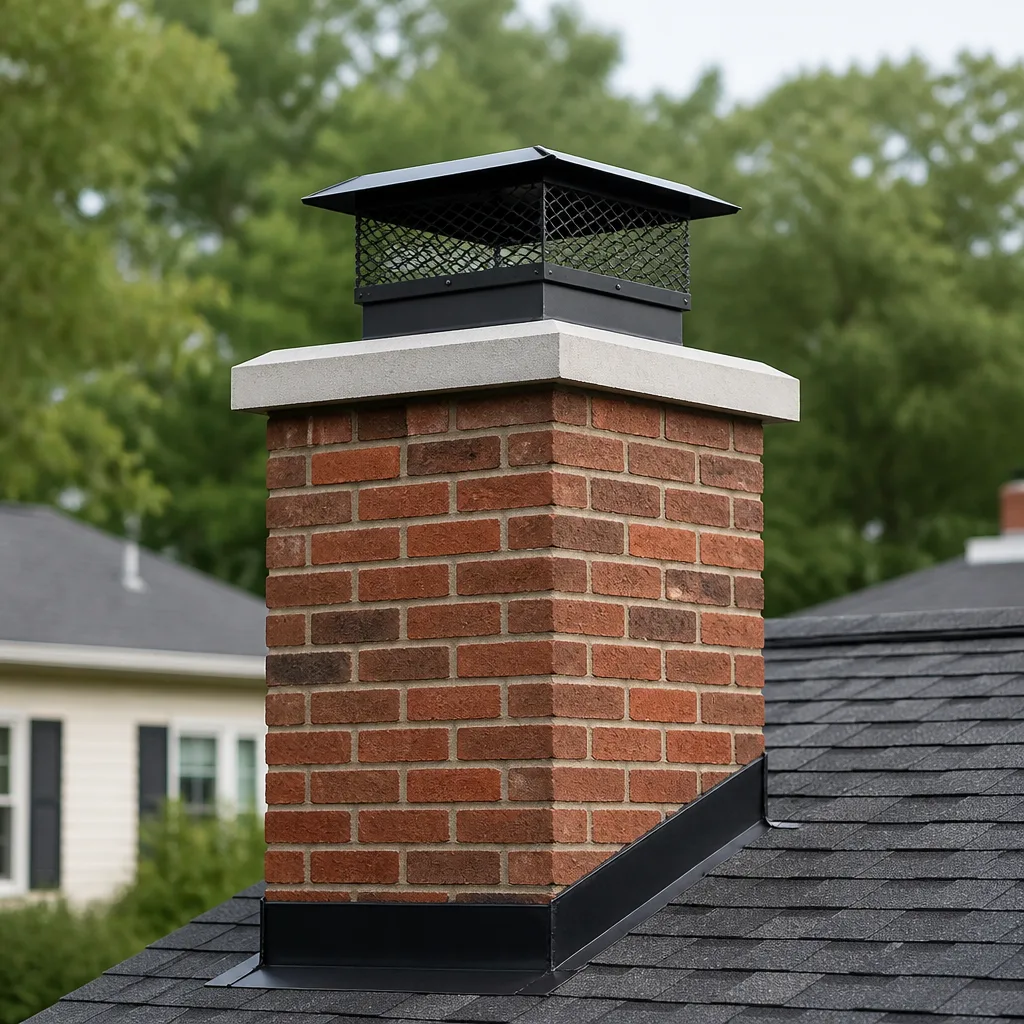 Caps & crowns
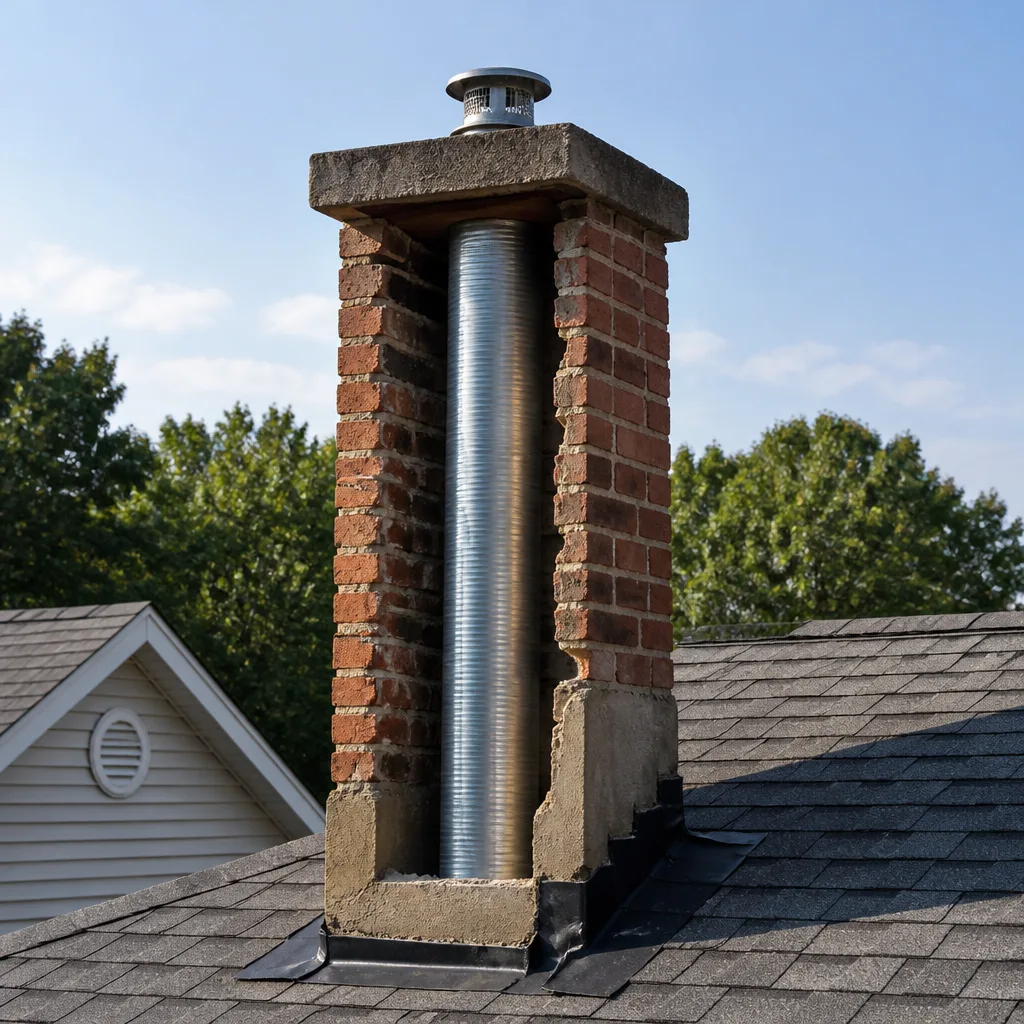 Flue relining
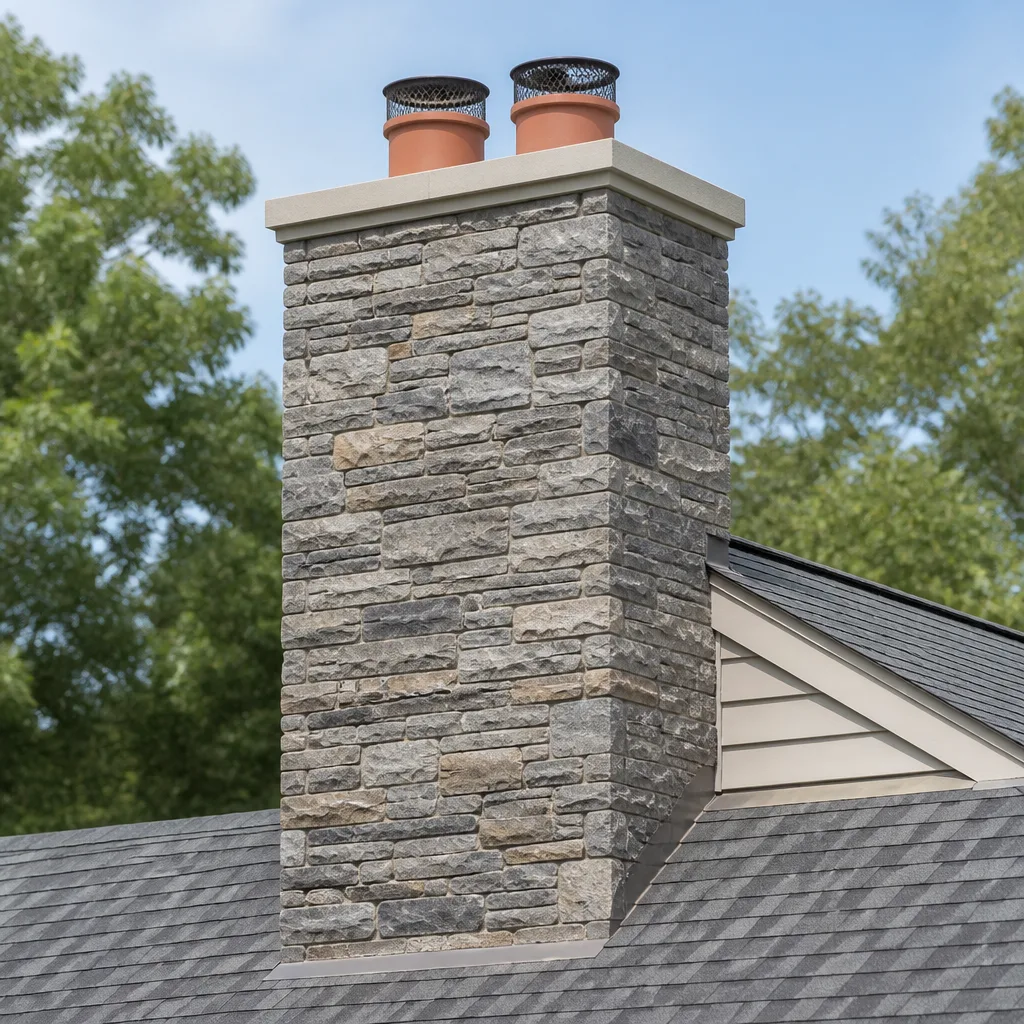 Masonry repair
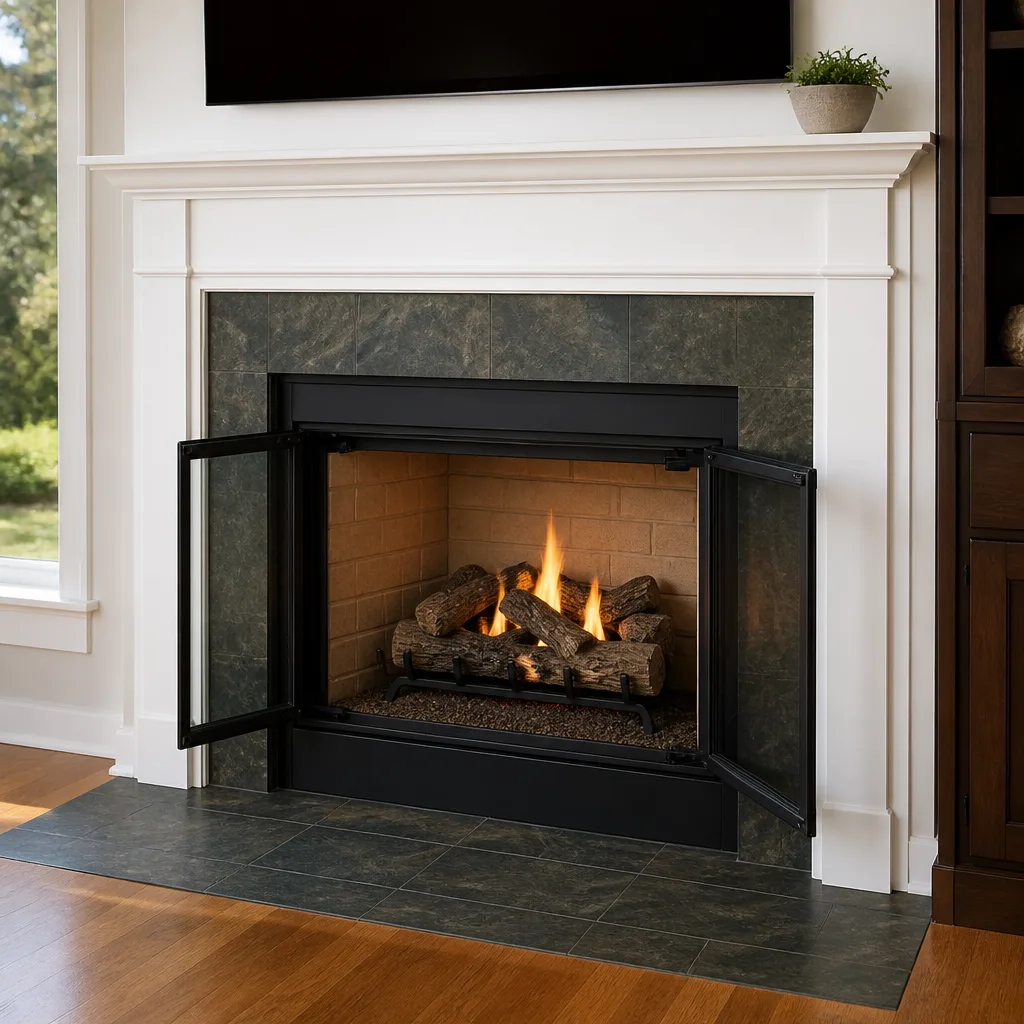 Gas fireplace service
Level 1 sweep and inspection to the NFPA 211 annual standard - flue, crown, cap, and flashing checked and photographed
Chimney sweep logs do not sweep chimneys. They loosen some creosote - which then falls where a brush and vacuum still have to collect it.
Chimney Cleaning Cost Breakdown: The San Antonio Homeowner’s Reference for 2026
Here’s a number most San Antonio homeowners never hear until it’s too late: the gap between the $99 chimney sweep special and what a chimney actually needs to be safe can reach $500 or more in the first year alone. The $99 price isn’t a lie. It’s a scope. And the average San Antonio chimney, burning local oak and mesquite through mild, humid winters, needs more scope than that single-flue brush pass covers. This guide names every line item, walks through the three conditions that legitimately push a cleaning price higher in this city, and gives you the exact questions to ask before any company books the job. For more, see our Chimney Cleaning Warning Signs: A San Antonio Homeowner’s Reference Guide. No scare tactics. No upsell scripts. Just the real numbers and what sits behind them, from a San Antonio chimney company that writes every price down before work begins.
Styles & brands we work with
Quick Answer
A standard chimney sweep in San Antonio runs between $149 and $349 in 2026 when it includes a full flue brushing, a visual inspection, and a written condition report. A Level 2 camera inspection adds $150 to $350. If the chimney has heavy creosote, animal nesting, or damaged liner sections, the total can reach $500 to $900. The single most important question to ask before booking: “Does that price include the inspection report, and is it written down before the technician walks in?”
Table of Contents
- What a Chimney Cleaning Actually Includes in San Antonio
- 2026 Line-Item Pricing for Every Common San Antonio Chimney Service
- What Is Always a Separate Line Item (And Why Companies Add It Later)
- The Three Conditions That Legitimately Raise a Cleaning Price in San Antonio
- What a Written Price-Before-Work Policy Should Actually Say
- How to Compare Two Quotes That Look the Same on Paper
- How San Antonio Climate and Wood Habits Affect Your Chimney
- Common Mistakes to Avoid
- When to Call a Professional
- Frequently Asked Questions
- The Bottom Line
What a Chimney Cleaning Actually Includes in San Antonio
When a San Antonio homeowner books a “chimney cleaning,” the term means different things to different companies. In our experience, the confusion isn’t intentional dishonesty in most cases. It’s that the industry has never standardized the word. So here’s what a proper cleaning should include, line by line, so the term stops being vague.
A complete chimney cleaning includes brushing the flue from the firebox up to the crown, removing creosote and soot from the smoke chamber, cleaning the damper assembly, and clearing the firebox floor of ash and debris. The technician should also vacuum the visible interior surfaces and inspect the flue for cracks, gaps, or staining. At the end of the job, you should receive a written condition report describing what was found and what was done.
That report matters more than the brushing itself. A chimney sweep without an inspection report is like a mechanic who changes your oil but never looks at the engine. The brush work clears the hazard. The report tells you if the hazard will return next season because of a structural flaw.
Here’s what a thorough cleaning in San Antonio should include on every job:
- Full-length flue brushing with the right diameter brush for your liner size
- Creosote removal from the smoke chamber and damper shelf
- Firebox debris removal and ash vacuuming
- Visual inspection of the flue interior, mortar joints, and damper function
- Written condition report with photographs of any damage found
- Clean-up of floors around the fireplace, including shoe covers and drop cloths during the work
The clean-up piece gets skipped by a lot of companies because it takes time and homeowners rarely think to ask about it. In San Antonio homes where the fireplace backs up to carpeted living rooms or hardwood floors in neighborhoods like Alamo Heights, Terrell Hills, and Stone Oak, the difference between a company that protects flooring and one that doesn’t is visible the moment the crew leaves. Ask before booking: “Will you put down drop cloths and shoe covers, and will I see the clean-up before the crew walks out?”
At Kindling Chimney San Antonio, every technician follows the C.A.R.E. values on every visit. That means shoe covers and drop cloths go down on arrival, nothing is moved inside the home without asking first, and a photo of the clean-up is taken before the crew leaves. It’s part of the Cedarwell Care Promise, written into every job so families with kids and pets never have to wonder what the house will look like when the crew leaves.
2026 Line-Item Pricing for Every Common San Antonio Chimney Service
San Antonio’s chimney service market in 2026 ranges from solo operators working out of a pickup to full-service companies with background-checked crews and written guarantees. Prices reflect that spread. Here are realistic, named ranges for the services homeowners actually need in this city. These are the numbers to anchor your budget around, not the $99 coupon price that only covers a fraction of the work.
| Service | 2026 San Antonio Price Range | What It Includes |
|---|---|---|
| Level 1 Chimney Cleaning (standard sweep) | $149 – $349 | Flue brushing, visual inspection, written report, basic clean-up |
| Level 2 Camera Inspection | $150 – $350 | Closed-circuit camera scan of the entire flue, documented findings |
| Chimney Cap Replacement | $180 – $450 | New cap, removal of old cap, fastening to crown |
| Chase Cover Replacement | $350 – $800 | Custom-fit metal cover for prefab chimney top, rust-resistant material |
| Firebox Repair (minor mortar work) | $250 – $600 | Re-pointing brick joints, filling minor cracks and gaps |
| Creosote Treatment (Glaze Removal) | $100 – $250 | Chemical treatment to break down hardened glazed creosote before brushing |
These ranges reflect what we see across San Antonio, from older masonry fireplace homes in Monte Vista and Olmos Park to newer prefab installations in Cibolo and Schertz. A single-story home with a straight flue sits at the bottom of each range. A two-story home with a taller chimney, an offset flue, or a steep roof pitch sits at the top. Roof access difficulty is a real cost driver in this city: San Antonio has thousands of single-story ranch homes from the 1960s and 1970s with low-pitch roofs, but also a growing number of two-story brick homes in neighborhoods like Helotes and Boerne where ladder work takes longer and carries more risk.
One structural note that affects San Antonio pricing specifically: many of the city’s older homes, particularly those built before 1980 in areas like King William and Beacon Hill, have unlined or clay-tile-lined chimneys. These liners crack over decades of San Antonio’s temperature swings, and when they crack, a simple cleaning becomes a liner evaluation. That’s where a $300 sweep becomes a $1,500-to-$3,000 conversation about relining. But here’s the key: a good company will show you camera footage of the crack before any liner recommendation. You should never be asked to take that on faith.
What Is Always a Separate Line Item (And Why Companies Add It Later)
This is where San Antonio homeowners lose money. Not because the work wasn’t needed, but because it was never disclosed upfront. Here are the line items that are almost always separate from the “cleaning” price, and what they should cost.
A chimney inspection in San Antonio is the most common add-on, and the most misunderstood. A Level 1 inspection is included with most standard cleanings. A Level 2 inspection, which includes camera work, is a separate service. It gets recommended when a home changes ownership, when the chimney has experienced a fire or weather event, or when the homeowner wants a documented evaluation before major use. Budget $150 to $350 for a Level 2 camera inspection, and confirm the company provides photographic or video evidence of what the camera sees.
Creosote treatment is another frequent add-on. Standard brushing removes loose and flaky creosote. But glazed creosote, the shiny, tar-like buildup that forms when flue temperatures run cool and wood is burned unseasoned, doesn’t budge with a brush. It requires a chemical treatment, usually a liquid or powder catalyst, left to work overnight, followed by a second brushing. It’s a legitimate service, priced separately, and San Antonio’s humid climate makes it more common here than in drier western Texas cities.
Smoke tests and draft tests are sometimes added after a cleaning to verify the flue draws properly. These can be useful after a relining or repair, but they’re less commonly needed for a routine sweep. Ask what triggers the recommendation and whether the price is included in the written quote you’re shown before work starts.
Haul-away fees are another surprisingly common surprise. Ash and creosote removed during a cleaning has to go somewhere. Some companies build that disposal into their base price. Others add a $25-$50 fee at the end. It’s a small line item, but it’s a red flag for how the company handles pricing overall. A written price-before-work policy should cover disposal, clean-up, and the inspection report without carving them out as extras.
The Three Conditions That Legitimately Raise a Cleaning Price in San Antonio
Not every price increase is an upsell. Some chimneys genuinely cost more to clean, and in San Antonio these three conditions account for most mid-job price adjustments. The key is knowing them before the technician arrives, so a higher number at the door never blind-sides you.
1. Heavy Creosote Buildup from Low-Seasoned Wood
San Antonio sits in a climate zone where oak, mesquite, and pecan are the dominant firewood species. These are dense hardwoods that burn long and hot when properly seasoned, but they hold a lot of moisture when cut green. A homeowner who buys “seasoned” wood from a roadside seller in the fall and burns it the same winter is often burning wood at 25-30% moisture content. That produces cool flue temperatures and rapid creosote buildup. A chimney with a year of unseasoned wood burning can need two to three times the brushing effort of a chimney burning properly dried wood. That extra labor is a legitimate price driver, and the best fix is free: buy wood at least six months before burning season, and confirm moisture content with a $20 moisture meter if you’re uncertain.
2. Animal Nesting Debris
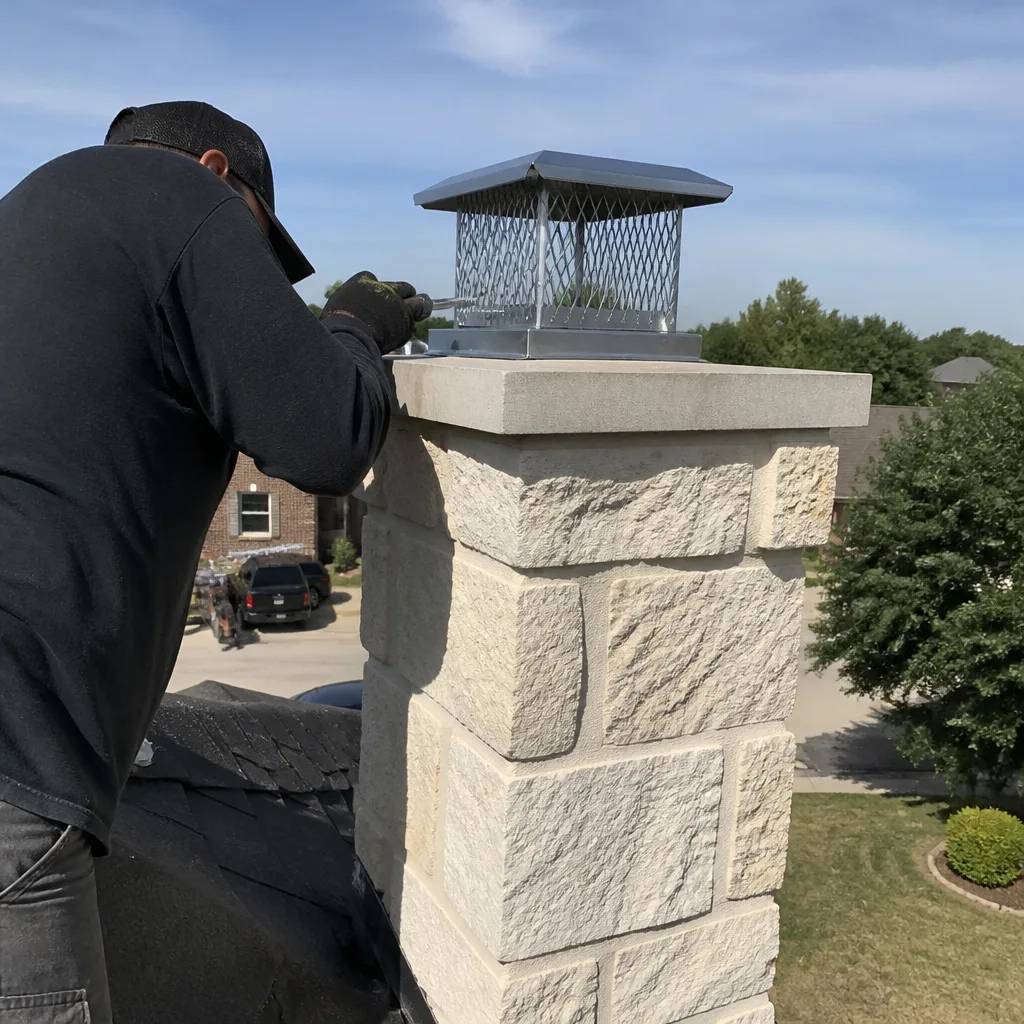
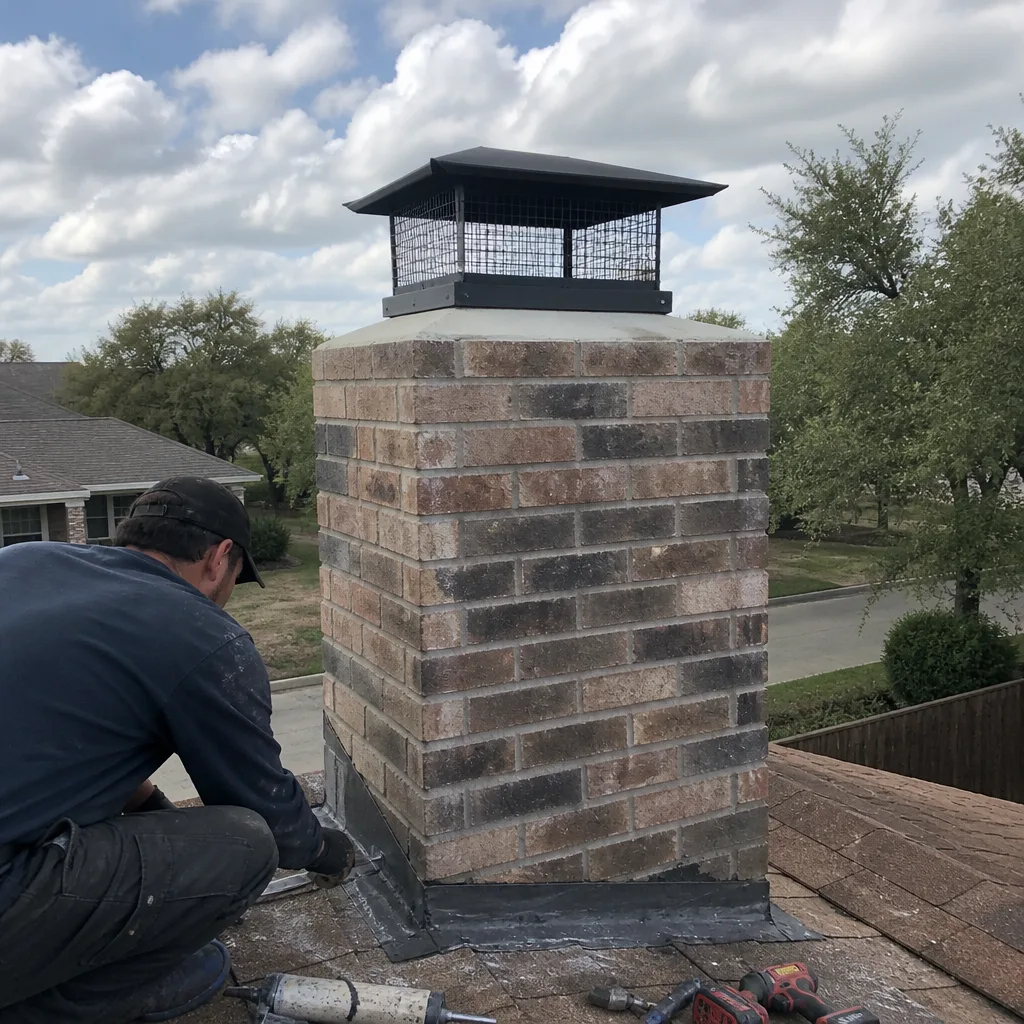
San Antonio’s mild winters mean squirrels, raccoons, and chimney swifts are active year-round. A chimney without a proper cap is an open invitation. When a technician arrives and finds a squirrel nest, bird nesting material, or dead animals inside the flue, removal adds labor, and it’s not something any company should be expected to include in a base sweep price. Nesting debris also compacts and hardens, making brushing more difficult. The prevention here is a properly fitted chimney cap. If you don’t have one, or if the one you have is damaged from a hail storm, expect to pay for cap replacement at some point. A cap is cheaper than animal removal plus a cleaning.
3. Liner Damage Discovered Mid-Job
A brushing can reveal cracks, gaps, or spalling in a clay tile liner that no one could see before the brush dislodged the creosote hiding it. When that happens, the right move is to stop, show you the camera footage, and present options. The wrong move is to keep brushing and pretend nothing was found. Liner damage in San Antonio is a serious issue because many of the city’s chimney fires start not in the flue opening, but in cracked liner sections where heat reaches combustible framing. If damage is discovered, the cleaning itself doesn’t get more expensive. What changes is the scope of work, which now includes a fireplace repair in San Antonio evaluation. HeatShield or a full DuraFlex stainless relining system are the common fixes, with costs varying by flue height and liner diameter.
The common thread across all three conditions: none of them should be a surprise by the time the bill comes. A company that inspects before it brushes will identify these conditions in the first 15 minutes and present a written adjusted price before continuing. That’s the standard every homeowner should hold every company to.
What a Written Price-Before-Work Policy Should Actually Say
In San Antonio, verbal quotes are common in the chimney trade. They’re also worthless. A written price-before-work policy isn’t just a piece of paper. It’s a behavioral contract. Here’s what it should commit to in writing, and what certain phrases actually mean.
At Kindling Chimney San Antonio, every job gets a written price before any work begins. It’s not optional, and it’s not something you have to ask for. The price covers the scope described on the page. If the scope changes mid-job because of a discovered condition, we stop and re-write the price before continuing. That’s the entire commitment: the number on the paper is the number you pay unless you sign something else.
Here’s what to look for in a written price document:
- The exact services included: “Chimney sweep, Level 1 inspection, ash disposal, clean-up” not “standard cleaning.”
- The price for each line item: Separate prices for sweeping, inspection, treatment, or repairs.
- What is not included: Any excluded services listed explicitly, not left vague.
- Clean-up commitment: Whether shoe covers, drop cloths, and final vacuum are included.
- Guarantee language: What happens if the work isn’t right. For us, it’s the 365-Day Done Right Promise, which means if it’s not done right, we make it right.
- Signature space: Both parties sign before work begins.
Watch for the phrase “price subject to change.” It’s not automatically bad. It means the company reserves the right to adjust the price if conditions differ from what was described when the quote was given. The problem comes when that clause is used to add services without showing evidence. A legitimate price adjustment always includes: what was found, photographic or video proof, and a specific new price before additional work starts. If a company can’t or won’t show you the reason, the price change isn’t legitimate.
The written-price policy also protects the company, and that’s good for the homeowner. A company that writes everything down is a company that respects its own work enough to stand behind it. The 365-Day Done Right Promise works because the scope was clear from the start. A vague scope creates vague guarantees, and a vague guarantee is no guarantee at all.
How to Compare Two Quotes That Look the Same on Paper
Two San Antonio chimney companies can both quote “$250 chimney cleaning” and be offering a completely different service. This is the core thesis of this guide. Here’s the checklist to separate a legitimate quote from a stripped-down one.
When you compare quotes, ask these questions and write down the answers. A company that answers them all with specific answers is charging an honest price. A company that deflects is hiding scope reductions.
- “Does the cleaning include the inspection report, or is that separate?” If separate, add $75-$150 to the comparison price.
- “Is the price written down before the technician walks in?” If the company won’t commit to this in writing, walk away.
- “Are shoe covers and drop cloths included, and will I see the clean-up?” If they pause on this one, the answer is no.
- “What brands do you use for caps, liners, and repair materials?” Professional-grade materials from companies like Gelco, Olympia Chimney, Famco, and Copperfield mean the parts aren’t the cheapest available. A company that can’t name its brands is buying from big-box stores.
- “What happens if you find damage mid-job?” The answer should be: stop, show you proof, present a written price before continuing.
- “What’s your guarantee?” If the answer is “we stand behind our work” without a specific promise and timeframe, it’s not a guarantee. It’s a slogan.
Here’s where the $99 special breaks down against a $249 full cleaning. The $99 price includes one flue brush pass. No inspection report. No camera option. No clean-up materials. No guarantee beyond the labor. The $249 price includes the brush work, a written report with photos, floor protection, disposal, and a promise that covers the work for a year. The $99 cleaning isn’t cheaper. It’s just smaller. When you add the line items the average San Antonio chimney needs, the $99 special often ends up costing more than the honest full price, and you get less documentation of what was actually done.
Our recommendation: never compare only the bottom number. Compare the line items. If a quote doesn’t break down the price, ask for it in writing. Any legitimate company can produce that in five minutes.
How San Antonio Climate and Wood Habits Affect Your Chimney
San Antonio’s climate doesn’t just affect how often you should clean your chimney. It affects what kind of cleaning you need and what the technician will find. This is the local context that generic online guides miss.
The city’s humidity sits higher than much of Texas, especially from September through May. That humidity, combined with the temperature swings between Hill Country cool fronts and Gulf moisture, creates condensation inside flues. Condensation mixes with creosote to form an acidic slurry that accelerates mortar deterioration in masonry chimneys. Homes in older San Antonio neighborhoods like Monticello Park and Alta Vista, where chimneys have been exposed to decades of this cycle, often show mortar crown erosion and spalling brick that a newer home in Boerne won’t.
The wood matters too. San Antonio homeowners burn a lot of oak. Post oak, live oak, and red oak are the most common local firewood species. Oak is excellent firewood when seasoned properly, but it takes longer to season than pine or cedar. A homeowner who cuts a live oak in January and tries to burn it the following November is burning wood that is still too wet. The result is not just more creosote. It’s a specific type of creosote: the dark, oily kind that clings to flue walls and resists brushing. We see this pattern more often in San Antonio than in cities further north where below-freezing winters force longer wood storage times.
Then there’s the creosote glaze problem, which is more common in mild climates. San Antonio winters are short and not intensely cold. Many homeowners burn fires for ambiance rather than heat, which means lower firebox temperatures. Low-temperature fires produce incomplete combustion, and incomplete combustion produces glazed creosote. This is why the same chimney in San Antonio may need creosote treatment every few years while a similar chimney in Minneapolis would not. It’s not poor maintenance. It’s physics.
Here’s the practical takeaway for San Antonio homeowners: schedule cleanings based on burn volume, not just a calendar. The old rule of “once a year” is a national average. A household that burns two fires a week from November through March should clean annually. A household that burns every weekend plus holidays should consider cleaning twice per season, or at minimum schedule an early-season inspection. A household that rarely burns may go two years between cleanings, but the inspection should still happen annually because San Antonio animals don’t respect your burn schedule. Browse more guides & resources for year-round chimney care tips.
Common Mistakes to Avoid
- Hiring based on the coupon price alone. The $99 San Antonio chimney special wraps a real service but almost never includes the inspection report or clean-up that the average home actually needs. Compare line items, not headline numbers.
- Assuming “chimney cleaning” means the same thing everywhere. Some San Antonio companies include inspection in the sweep price. Others bill it separately at the end. Ask before the technician arrives.
- Signing a verbal quote. Texas doesn’t require written contracts for chimney work, but a company that won’t put the price in writing before starting should not be trusted with the work.
- Being talked into liner replacement without camera evidence. Liner damage is real in San Antonio’s older chimneys, but you should never take the recommendation on faith. Ask to see the camera footage. If the company can’t produce it, get a second opinion.
- Burning wet oak and expecting a clean flue. The most common San Antonio chimney problem we see is creosote from unseasoned local oak. Buy wood early, store it off the ground, and check moisture content before burning.
- Skipping the chimney cap. San Antonio’s squirrels, raccoons, and chimney swifts will find an uncapped flue. Animal removal costs more than a cap, and the mess inside the flue makes the cleaning harder.
- Waiting until fall to schedule. Every San Antonio chimney company gets a rush of calls in September and October. Scheduling in late summer gets you a better price, a better appointment slot, and a technician who isn’t rushing through your inspection.
When to Call a Professional
Most chimney cleaning in San Antonio is straightforward and takes 45 to 90 minutes. But there are specific situations where you should stop using the fireplace and call a professional immediately. If you smell smoke inside the home after the fire is out, that’s a draft or flue problem, not a cleaning inconvenience. If you see white staining or efflorescence on the exterior brick of the chimney, water is getting in and freezing cycles are breaking down the mortar. If the damper no longer opens or closes completely, the chimney can’t vent properly and carbon monoxide can backfill into the living space. And if you hear animals in the flue, dead or alive, that’s an animal removal situation that requires proper handling and a cap installation afterward. Kindling Chimney San Antonio offers free estimates in San Antonio, and a live person answers calls 24 hours a day, 7 days a week. Call (361) 491-3153 and describe what you’re seeing. We’ll tell you honestly whether it needs attention now or can wait.
Frequently Asked Questions
A standard chimney cleaning in San Antonio costs between $149 and $349 in 2026, depending on flue height, roof access, and the condition of the chimney. A Level 2 camera inspection adds $150 to $350. Heavy creosote buildup, animal nesting, or liner damage can push the total to $500 to $900. The most reliable way to know your price is to request a written estimate before work begins. Call (361) 491-3153 for an exact quote.
A Level 1 inspection is a visual check of the accessible chimney components including the flue interior as seen from above and below, and it’s typically included with a standard cleaning. A Level 2 inspection includes a closed-circuit camera scan of the full flue length, which allows the technician to see cracks, gaps, and animal damage that a visual check misses. Level 2 inspections are recommended when buying or selling a home in San Antonio, after storm damage, or when the chimney hasn’t been used in several years.
A chimney should be cleaned after every cord of wood burned, or at minimum once per year if you burn regularly. In San Antonio, where hardwood fires from oak and mesquite are common and where creosote glaze builds faster in humid conditions, households that burn multiple fires per week through the winter season should schedule an annual cleaning and a mid-season visual check. Light users may go two years between cleanings, but the annual inspection is still important because animals and weather cause damage regardless of burn frequency.
The $99 chimney cleaning special covers a single-flue brush pass with no inspection report, no camera scan, no creosote treatment, no cap inspection, and no clean-up materials. The average San Antonio chimney needs at least two of those additional line items on the first visit, which is why the final price often lands at $200 to $400. A company using the $99 price as a lead generator is not necessarily dishonest, but the price reflects a smaller scope, not a better deal. Always compare line items before comparing bottom numbers.
A fair price is one that’s written down before work begins, itemized by service, and backed by a specific guarantee. Ask whether the price includes the inspection report, floor protection, ash disposal, and a clean-up photo before the crew leaves. Ask whether the company will show you camera footage if they recommend repairs like a liner replacement. A company that answers those questions with specific, written answers is quoting an honest price. Everything else is a verbal estimate that can change at the door.
Homeowner’s insurance almost never covers routine chimney cleaning, because cleaning is considered maintenance, not damage repair. Insurance may cover chimney repairs if the damage was caused by a covered peril such as hail, a windstorm, or a lightning strike. If you’re filing a claim after storm damage in San Antonio, a Level 2 camera inspection can document the damage for your insurance company.
The Bottom Line
A chimney cleaning in San Antonio is a $149 to $349 service when the scope is honest, and that price should include an inspection report, floor protection, ash disposal, and a written record of what was found. The $99 special is not a scam, but it’s also not a complete service for most homes in this city. The three legitimate price drivers, heavy creosote, animal debris, and liner damage, are all things a technician can identify and document before continuing. The homeowner’s only real job is to ask for the price in writing before the work starts, and to demand camera evidence before accepting any repair recommendation. That’s the entire protection you need. Everything else is just brushing.
Kindling Chimney San Antonio is part of the Cedarwell family of companies, established in 2003, and each location is independently owned and operated. We use professional-grade materials from brands like Gelco, Olympia Chimney, Famco, and Copperfield. Every job is backed by the 365-Day Done Right Promise and the Cedarwell Care Promise. If it’s not done right, we make it right. For a free estimate, call (361) 491-3153. A live person answers, day or night.
Written by Danny Cortes, Owner at Kindling Chimney San Antonio, serving San Antonio since 2003.
See the difference
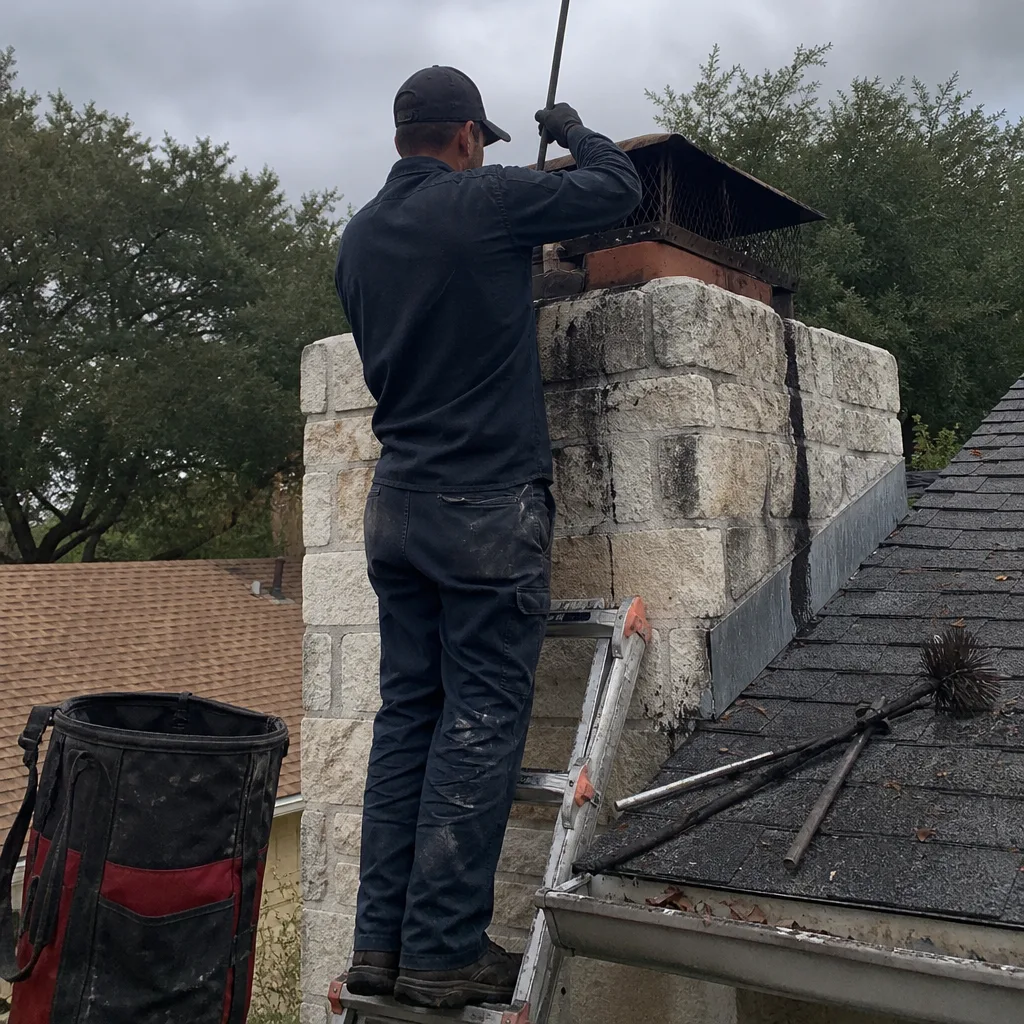 Before
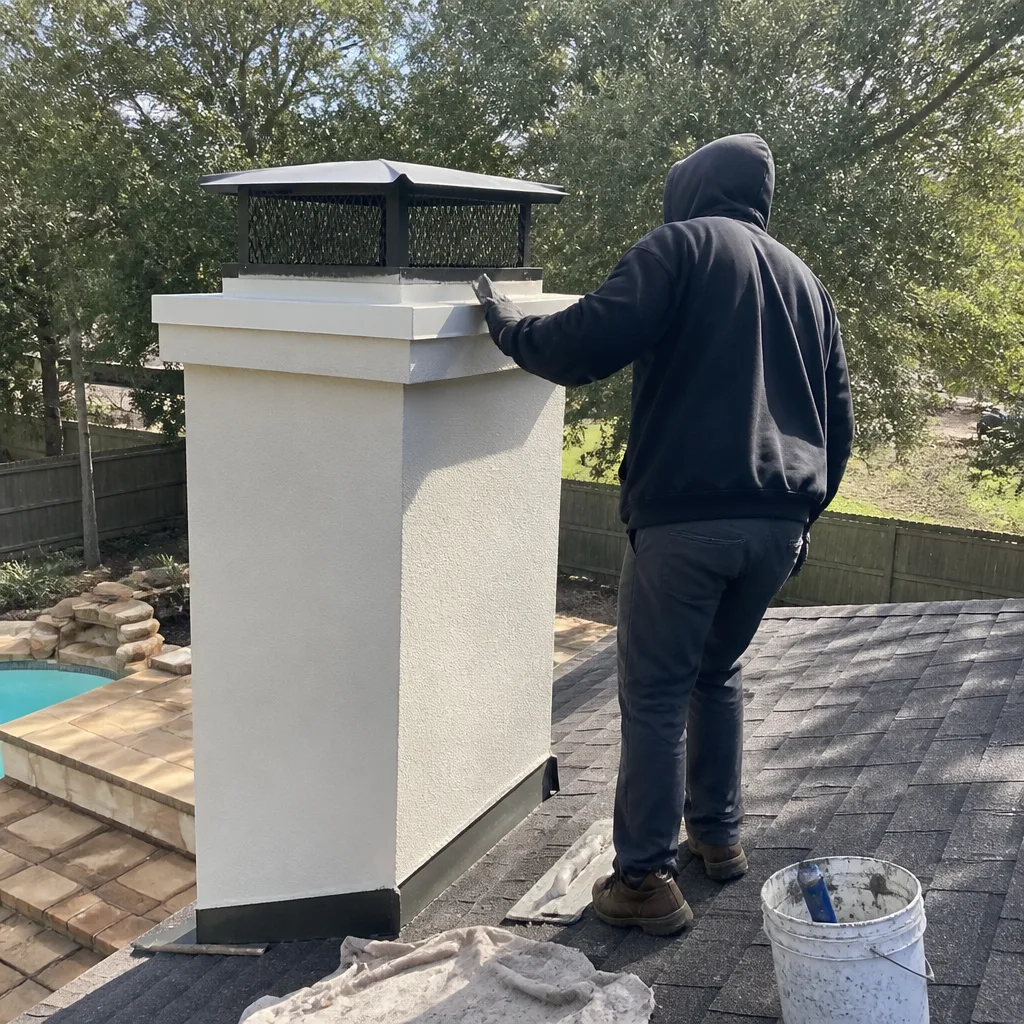 After
After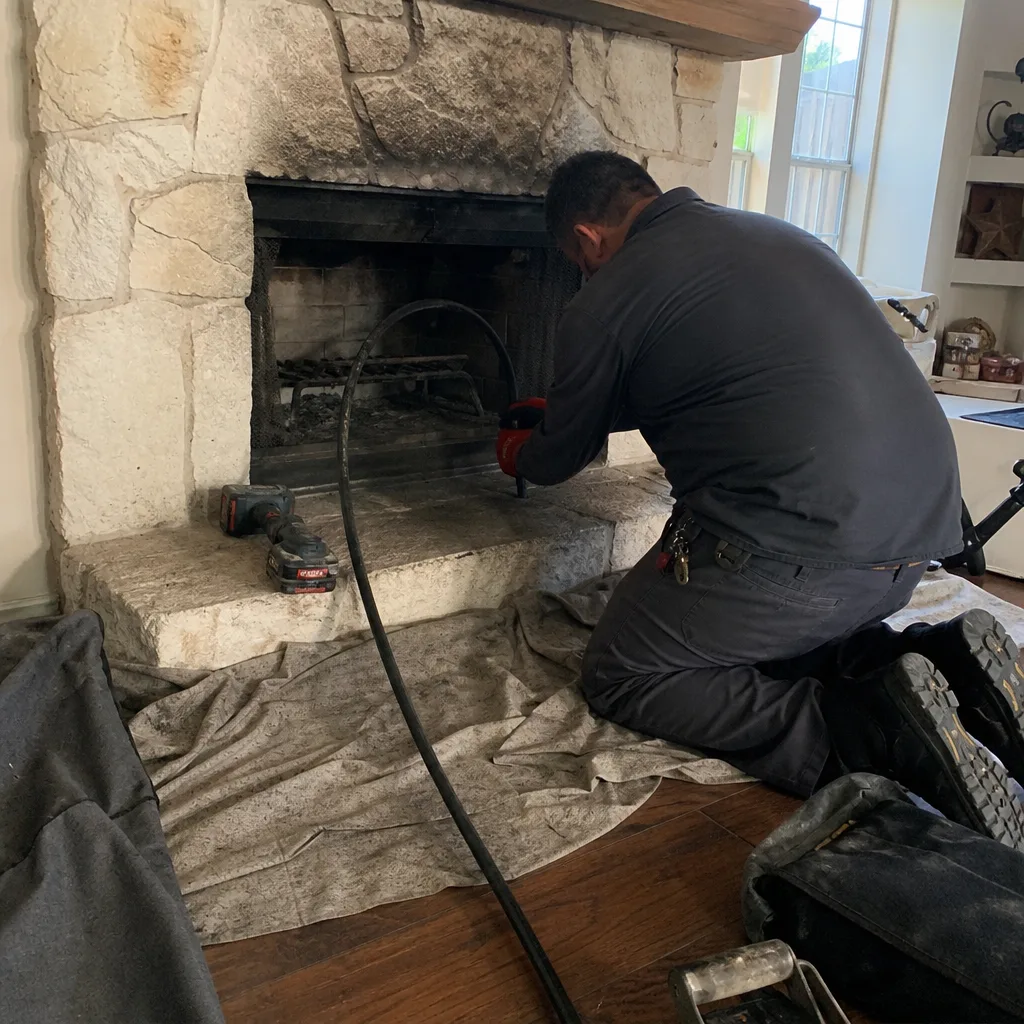 Before
 After
After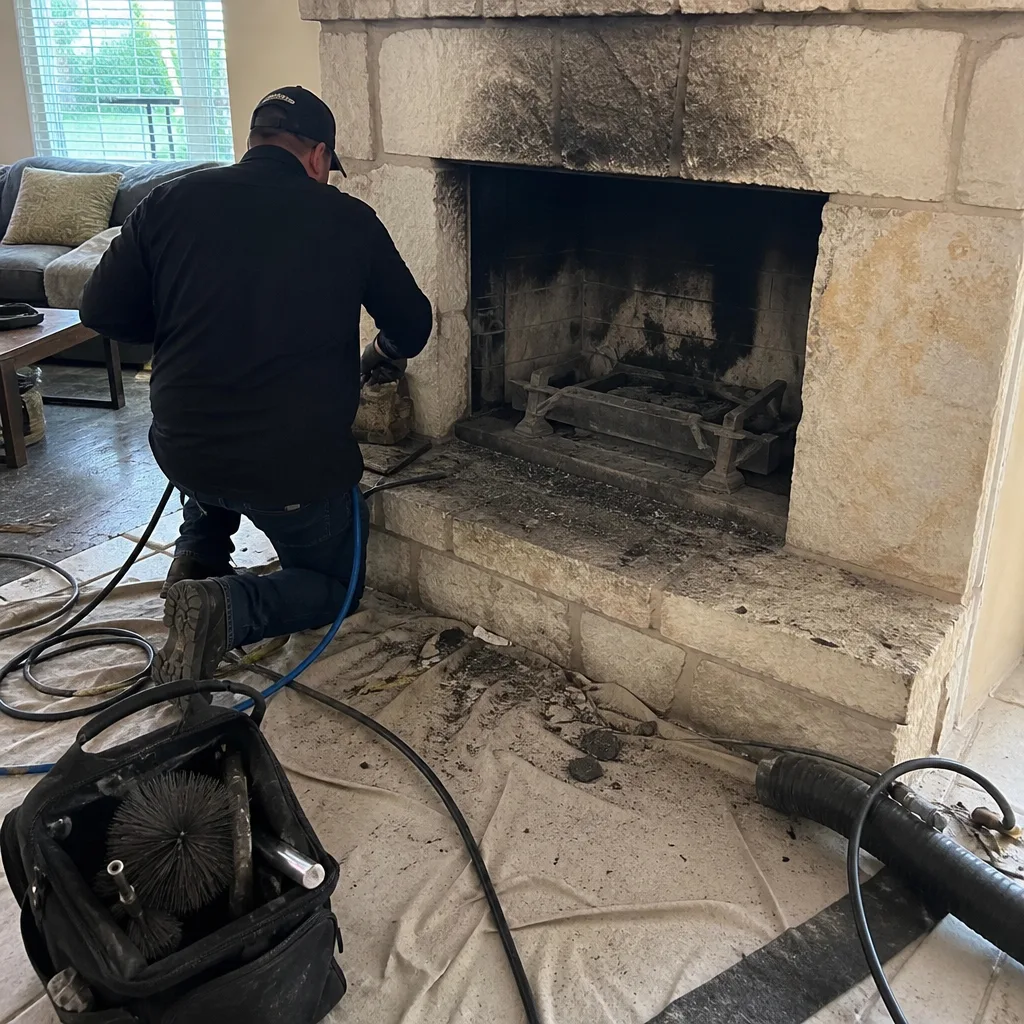 Before
 After
After