
Last updated October 15, 2026
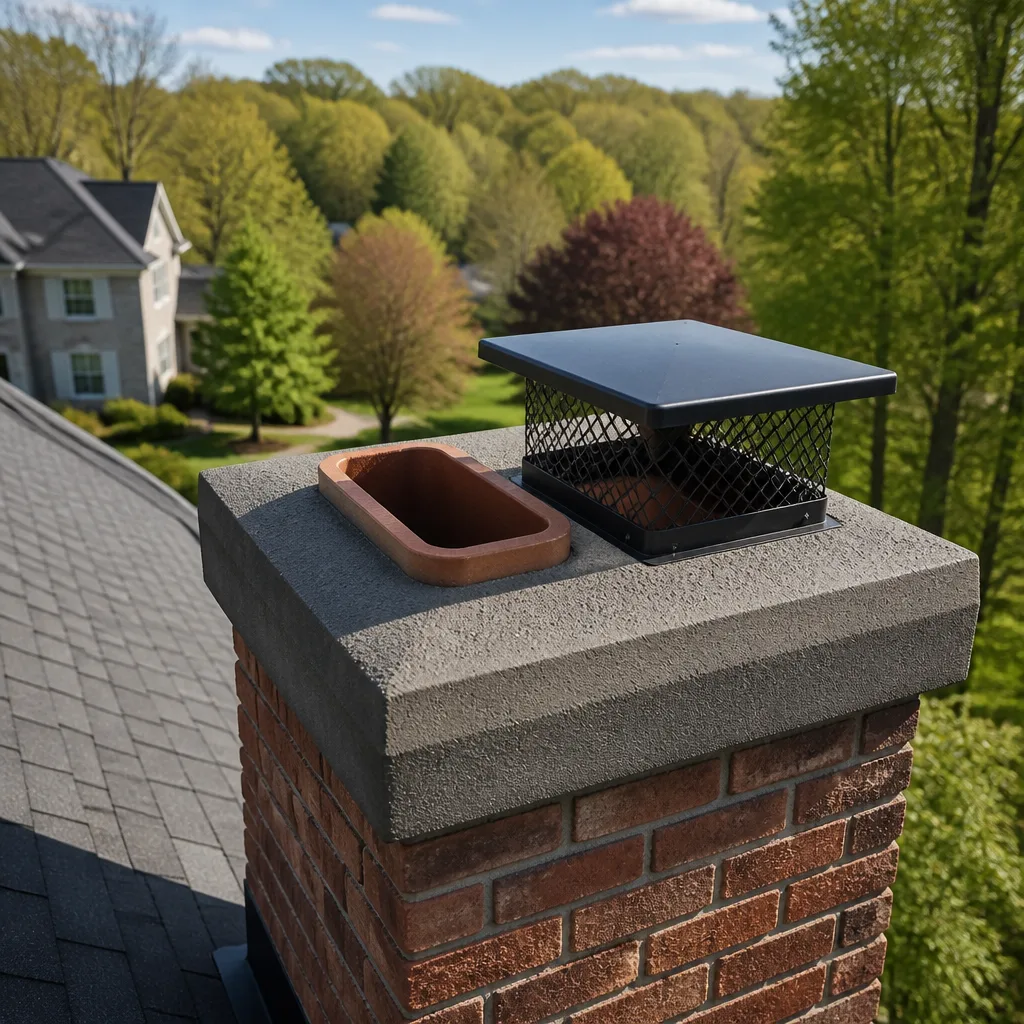 Sweep & inspection
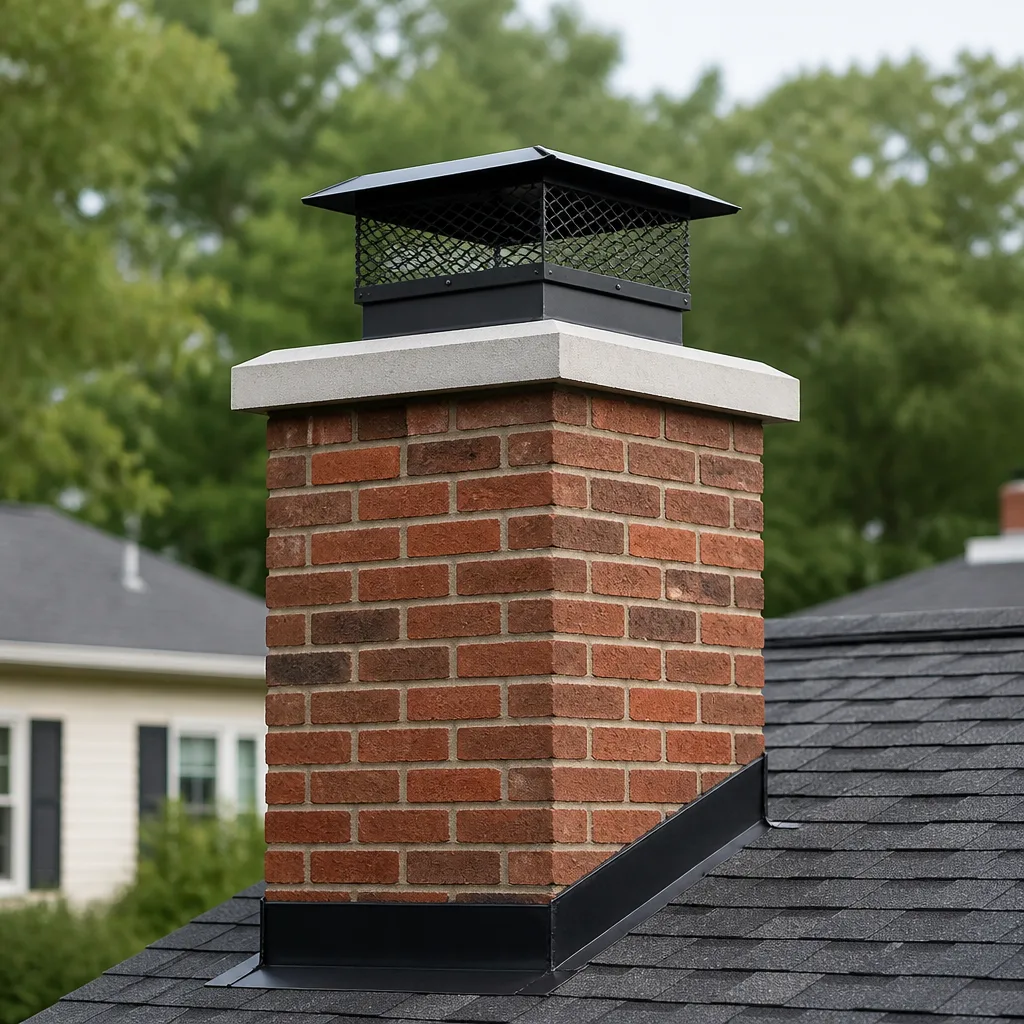 Caps & crowns
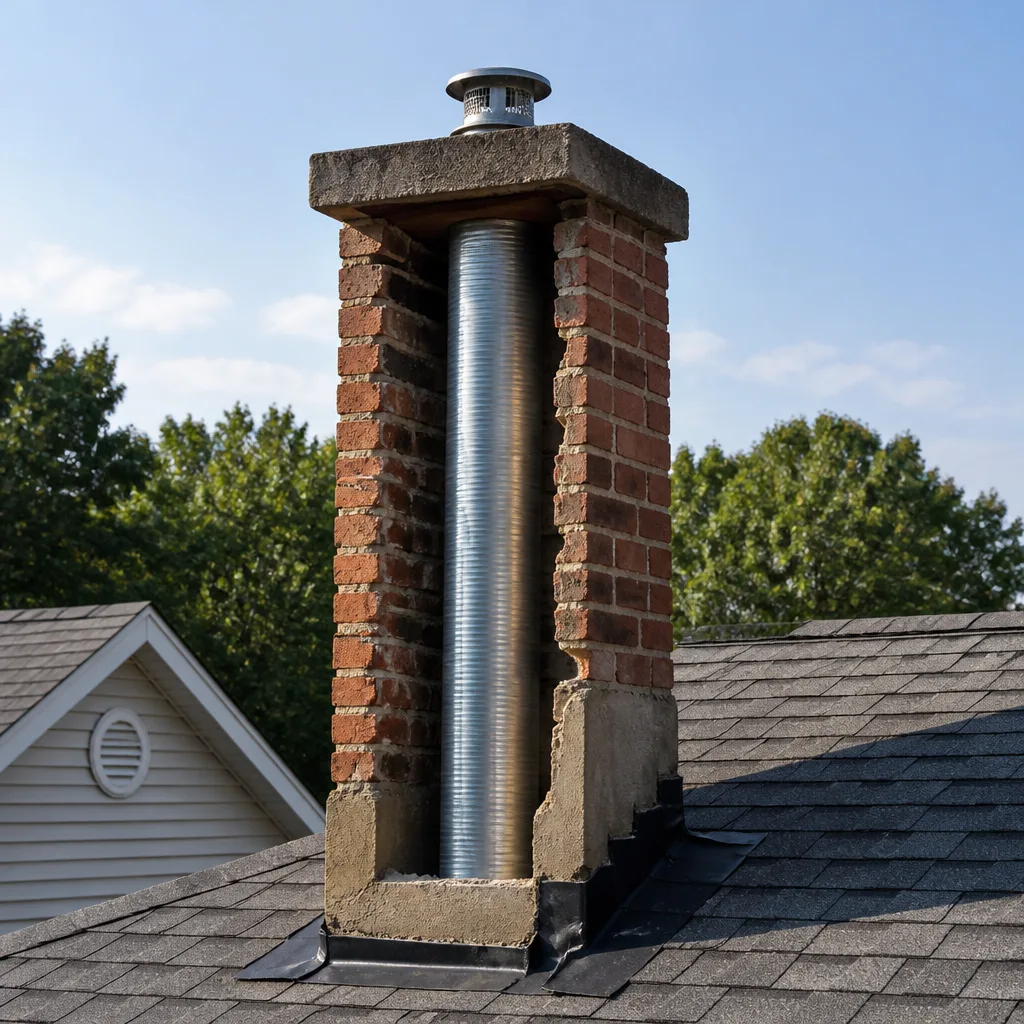 Flue relining
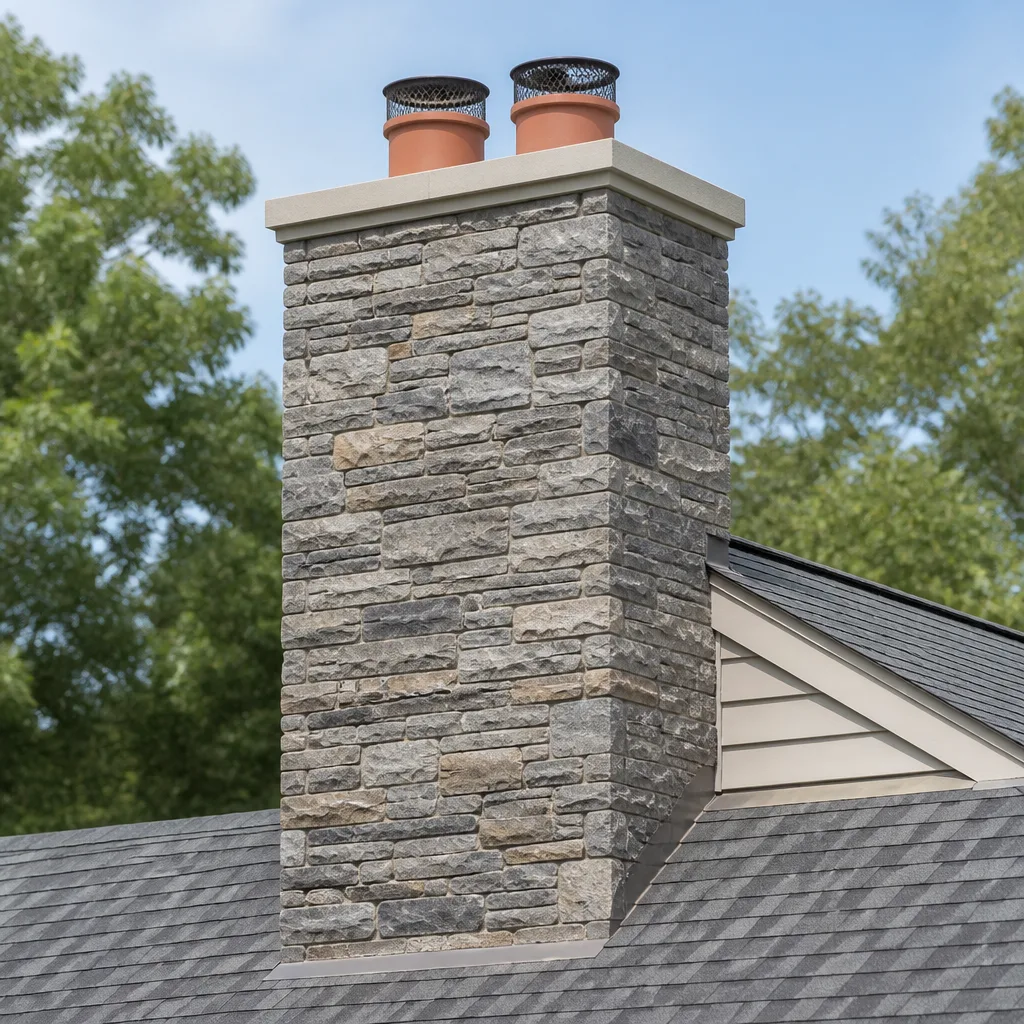 Masonry repair
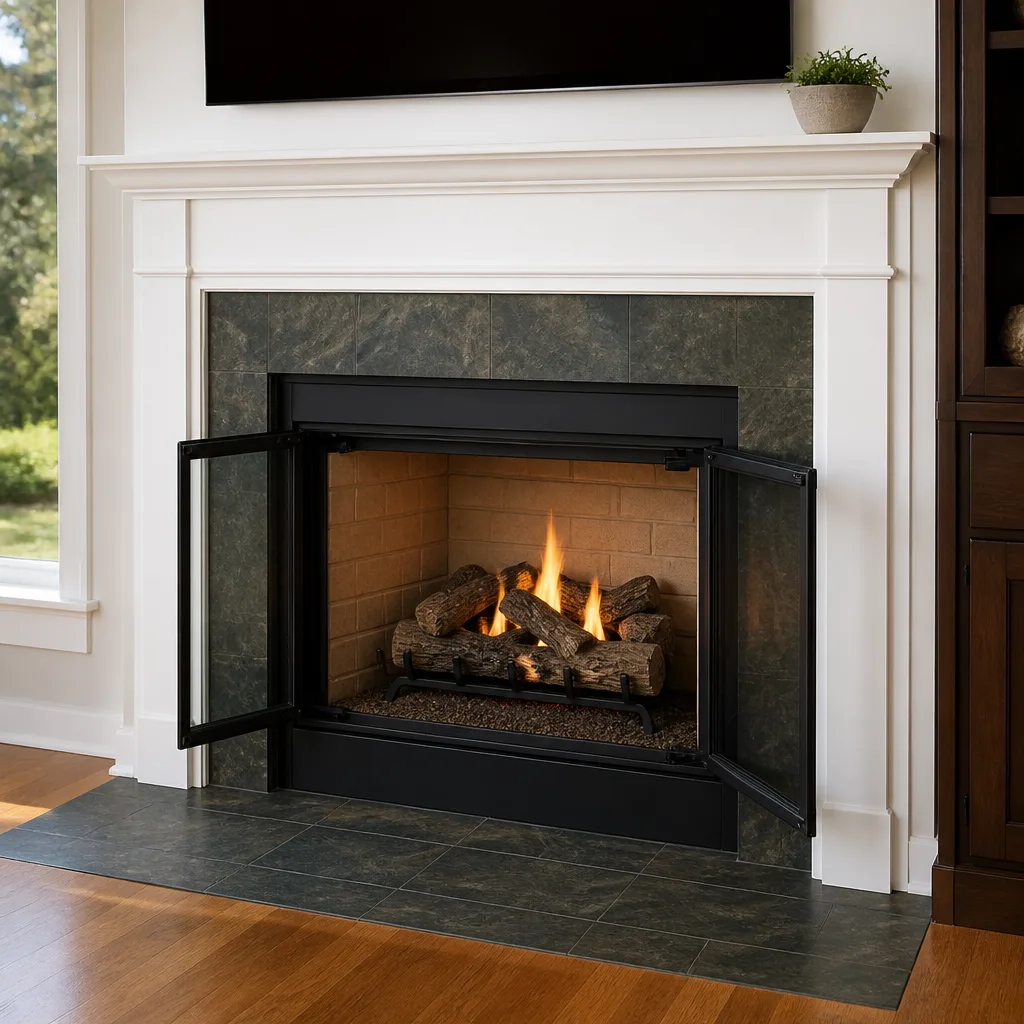 Gas fireplace service
Level 1 sweep and inspection to the NFPA 211 annual standard - flue, crown, cap, and flashing checked and photographed
Chimney sweep logs do not sweep chimneys. They loosen some creosote - which then falls where a brush and vacuum still have to collect it.
Seasonal Chimney Cleaning Care for San Antonio: Year-Round Homeowner’s Guide
Here’s something most chimney guides get wrong about San Antonio: they treat our fireplace calendar like Cleveland’s or Minneapolis’s, as if the only thing that matters is what happens between November and February. But look at the actual numbers. A typical San Antonio household burns wood on roughly 90 days a year. That leaves 275 days when the fireplace sits cold and silent while the chimney above it takes a beating from triple-digit heat, monsoon humidity, oak pollen, and every squirrel and grackle looking for a dry place to nest. The off-season is not the safe season. It’s the season when most of the damage that later shows up as a pricey October repair actually happens. This guide walks through the full San Antonio year, month by month, so you know exactly what your chimney needs, when it needs it, and what you can safely handle yourself versus what belongs in the hands of a trained sweep.
Styles & brands we work with
Quick Answer
Seasonal chimney cleaning in San Antonio works best on a two-season rhythm, not a four-season calendar. Book your professional sweep in September, before the first cold front arrives and before technician schedules fill up. Then do two short visual checks yourself, one in March after your last fire and one in July, to catch off-season damage early while repairs are still small and affordable. One professional visit per year, two homeowner checks, and a cap on the flue all summer is the rhythm that keeps a San Antonio fireplace safe and clean without overcomplicating your life.
Table of Contents
- Why San Antonio Needs a Different Chimney Calendar
- The Summer Dormant Season: What’s Actually Happening to Your Chimney
- Why September Beats October for Scheduling Your Sweep
- Burn Season Care: November Through February
- March and April: What to Check After the Last Fire
- Oak Pollen, Cedar Pollen, and Your Chimney Cap
- The Simple Year-Round Care Rhythm for San Antonio Families
- Common Mistakes to Avoid
- When to Call a Professional
- Frequently Asked Questions
Why San Antonio Needs a Different Chimney Calendar
Most chimney advice online assumes the reader lives somewhere with a real winter. Snow, ice dams, freezing rain, a fireplace that runs from October through April. San Antonio does not work that way. Our cold season is short and erratic. We might get a 40-degree night in early November, then see 85 again before Thanksgiving. The first real cold front sometimes holds off until December, sometimes slams in during late October with no warning. That unpredictability is exactly why the standard “get your chimney swept in October” advice fails here. By October, every chimney company in Bexar County is booked solid, and families are competing for the same appointment slots right as the weather turns.
Then there’s the other side of the year, the seven-month stretch from roughly March through September when the fireplace rarely gets used but the chimney never stops working. San Antonio summers push temperatures past 100 degrees for weeks at a time. The masonry expands in that heat. At night it cools and contracts. Over enough summers, that thermal cycling loosens mortar joints and creates hairline cracks that let rainwater in during our monsoon-season downpours. None of this is visible from the ground. But it’s the single biggest driver of chimney repairs we see in San Antonio homes, and it has nothing to do with how often you burn a fire.
The point is simple: if you think about your chimney only when you want to light a fire, you’re always reacting. A San Antonio homeowner who shifts to a two-season rhythm, active care during burn months, protective care during dormant months, ends up with a safer chimney and smaller repair bills. This guide is our full breakdown of that rhythm, written by the team at Kindling Chimney San Antonio home based on what we see every day in homes across the city.
The Summer Dormant Season: What’s Actually Happening to Your Chimney
When a fireplace sits unused from March to October, most homeowners assume nothing is happening up there. The opposite is true. The dormant season is when the chimney takes its hardest hits, and none of them require a single log to be burned. Here’s what’s going on above your roofline while you’re running the air conditioner.
Thermal Stress and Mortar Cracking
San Antonio regularly sees summer days above 100 degrees. The brick and mortar on the exterior chimney absorbs that heat all afternoon. When the sun goes down, temperatures can drop 25 or 30 degrees. Brick expands and contracts at a different rate than mortar, so every hot-to-cool cycle pulls slightly at the joints between them. Over five, ten, fifteen years of South Texas summers, those joints start to crumble. You won’t see it from the yard. But a camera inspection will show gaps where water can enter, freeze in a rare winter snap, and widen the damage. Homes in older San Antonio neighborhoods, Alamo Heights, Monte Vista, Jefferson, with chimneys built in the 1950s and 60s, are especially vulnerable because the original mortar has already lived through decades of these cycles.
Monsoon-Season Water Intrusion
San Antonio doesn’t get Seattle’s drizzle. We get intense, short, violent thunderstorms, especially in May, June, and September. When rain comes down that hard and that fast, any small crack in the chimney crown or loose flashing around the base becomes an entry point. Water gets inside the masonry, saturates the flue liner, and drips down to the damper. One storm won’t destroy your chimney. Fifty storms across a single summer will absolutely accelerate it. The telltale signs inside the home are water stains on the ceiling near the fireplace, a musty smell from the firebox, or flaking masonry on the exterior. If you catch these early, a repair is often a simple crown reseal or flashing fix. Wait a full year and the same water damage can require partial rebuilds.
Animal Activity
An unused chimney is an invitation to every squirrel, raccoon, and chimney swift in Bexar County. The dormant season coincides with nesting season, and a warm, dark, protected flue is exactly where animals want to raise their young. We’ve pulled nests out of chimneys in Stone Oak, Helotes, and Schertz that filled an entire contractor bag. The damage is twofold. First, nesting material pressed against the flue wall is highly flammable once burning season starts. Second, animals leave droppings and debris that trap moisture against the liner, speeding up corrosion. A properly fitted chimney cap with screening solves most of this. Without one, your summer guest list includes whatever wildlife finds the flue before you do.
Creosote Changes in Heat
Creosote is the sticky, tar-like byproduct of burning wood. If you had fires last winter and never had the chimney swept afterward, that creosote sits inside the flue all summer. High heat doesn’t remove it. In some cases, it bakes and hardens, turning from a sticky film into a glazed crust that is significantly harder to remove in the fall. The longer it sits, the more it bonds to the flue wall. That’s why a post-season sweep or at least a late-winter inspection matters, a point we’ll return to further down.
Why September Beats October for Scheduling Your Sweep
Ask a San Antonio homeowner when they’ll get their chimney cleaned and most will say “sometime in October.” Here’s why that’s the wrong answer. By October, the rush is already on. Every family in the city starts thinking about the fireplace around the same time, the week they wake up to that first crisp morning. Chimney companies book out two to four weeks almost immediately. That means the person who calls in mid-October often can’t get a technician to the house until mid-November. Meanwhile, the first real cold front often arrives in late October or early November in San Antonio. The result is predictable: people light fires before their chimney has been inspected, sometimes with creosote buildup from last year still sitting in the flue.
September is the sweet spot for three reasons. First, technician availability is wide open. You can schedule at your convenience, get a morning or afternoon slot, and have the work done before the entire city starts calling. Second, the weather is still dry and predictable, which makes roof access safer and easier for the technician. Third, if the inspection turns up an issue, a cracked crown, damaged flashing, a deteriorating liner, you have time to fix it before burning season. An October discovery often means a choice between burning with a known problem or waiting weeks for a repair slot. A September discovery means the repair happens in October and you’re ready for the first fire without anxiety.
Our recommendation for families in the San Antonio area is simple: mark your calendar for the first week of September. Call a Chimney Sweep in San Antonio before school schedules and football weekends swallow up your attention. If the inspection comes back clean, you light the first fire of the season knowing exactly what’s inside the flue.
Burn Season Care: November Through February
Once burning season begins in earnest, the chimney shifts from a dormant structural concern to an active safety system. This is the period when creosote accumulates fastest, especially in homes that burn frequently, burn soft woods like pine, or run fires at low temperatures. San Antonio’s burn season is shorter than northern climates, but the intensity matters more than the length. A family in Alamo Ranch that burns three or four nights a week from Thanksgiving to Valentine’s Day produces real creosote buildup in a compressed window.
The single most important burn-season habit is choosing dry, seasoned wood. Green or wet wood smokes more, burns cooler, and produces significantly more creosote per fire than properly dried hard wood like oak or mesquite. If you’re buying firewood in San Antonio, ask how long it’s been seasoned. Anything under six months is likely still too wet. The second habit is regular visual checks. Once a month during burn season, look up into the firebox with a flashlight. If you see dark, shiny build-up on the walls, that’s creosote. A thin layer is normal. A thick, glossy coating needs professional attention before you light another fire.
It’s also worth listening to how the fire behaves. A fire that struggles to draw, spills smoke into the room, or leaves the living room smelling like campfire the next morning is telling you something. Draft problems in San Antonio homes are often caused by a combination of creosote narrowing the flue, a chimney cap that’s partially blocked, or negative air pressure from a tightly sealed, air-conditioned house. A professional Chimney Inspection in San Antonio can identify which of these is at play and fix it before smoke damage spreads through the house.
March and April: What to Check After the Last Fire
When the last fire of the season dies out, usually in late February or early March, most San Antonio families close the damper and forget about the chimney until fall. That’s the exact opposite of what actually protects the system. The post-season window is when you lock in whatever condition the chimney finished the burn in, and it’s also the moment when small issues, caught early, are cheapest to fix.
Here’s the post-season checklist we recommend for San Antonio homeowners:
- Visual sweep of the firebox: After the ashes have cooled completely, shine a flashlight up into the firebox and as far into the flue as you can see. Note the thickness and texture of any build-up. A rough, flaky coating is normal. A thick, shiny, tar-like layer means the creosote has been baking all season and will harden over the summer.
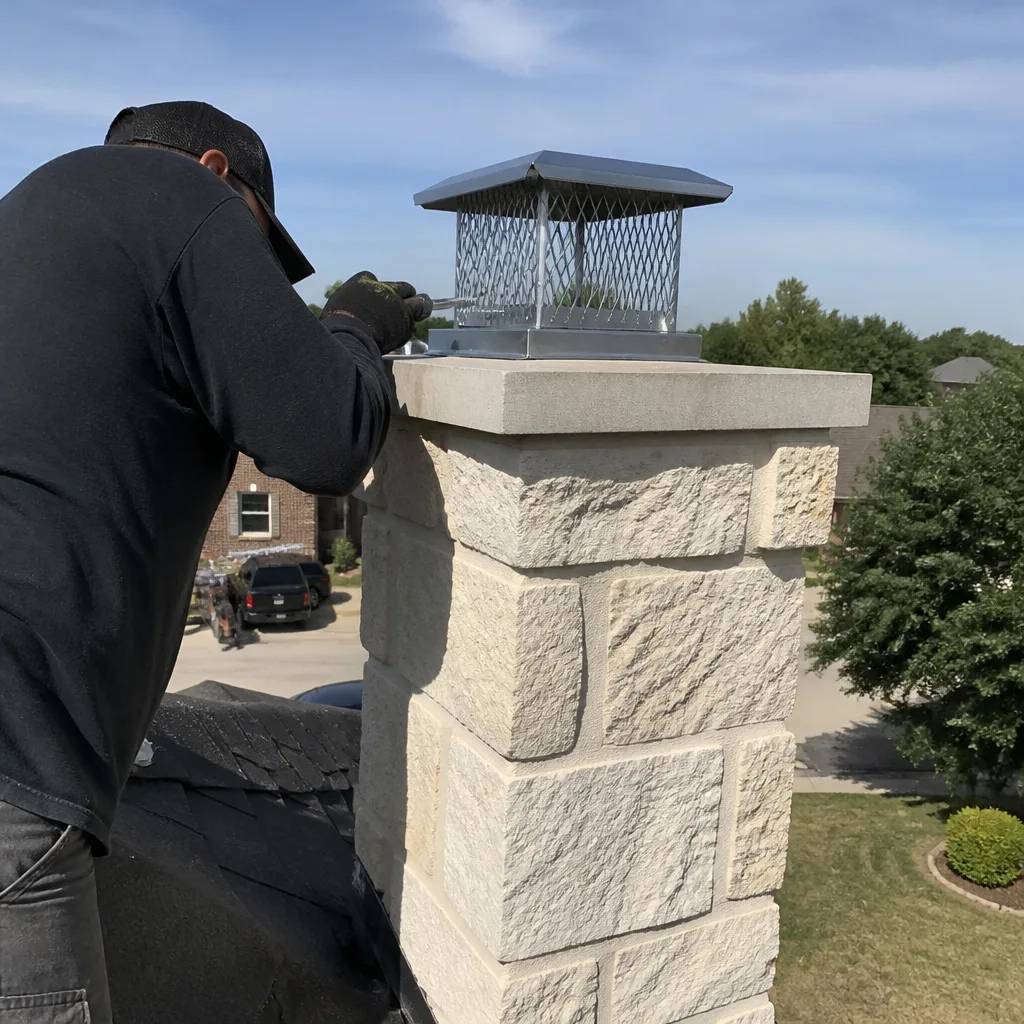
- Check the chimney cap from the ground: You won’t see the full picture from the yard, but you can often spot obvious damage, a missing cap, a tilted screen, or nesting material sticking out. Binoculars help. If the cap is damaged, animals can get in within weeks.
- Look for water stains inside the home: After the first heavy spring rain, check the ceiling and walls around the fireplace for any new staining. Water that found a crack during the winter may not show itself until a solid South Texas downpour.
- Schedule a post-season sweep or at least a basic inspection if you burned heavily: A chimney that saw three-plus fires per week from November to March should be swept before summer. Removing creosote while it’s still somewhat soft is far easier and less expensive than chipping out glazed, baked-on deposits in September.
The logic here is straightforward. Every problem in a chimney gets worse with time, heat, and water. A small crack in March becomes a wide gap by September. Creosote removed in April is a one-visit job. The same creosote hardened over six months of summer heat can turn into a two-hour removal. March and April are the months when proactive homeowners save real money.
Oak Pollen, Cedar Pollen, and Your Chimney Cap
This is a uniquely San Antonio problem that generic chimney guides never mention. South Texas has one of the most intense pollen seasons in the country. Mountain cedar kicks off in December and January, followed by oak pollen from March through May. During peak pollen weeks, cars turn yellow-green, allergy sufferers hide indoors, and millions of microscopic particles drift through the air. Some of that pollen inevitably finds its way into your chimney.
If you have a chimney cap with fine mesh screening, much of the pollen collects on the screen itself. At first this seems like a non-issue, just yellow dust on the outside of the cap. But pollen is extraordinarily fine and sticky. Over a full season, it accumulates, mixes with dust and humidity, and forms a matted layer that restricts airflow through the screen. A partially blocked chimney cap reduces draft, which means smoke rolls back into the house instead of up the flue, and it traps moisture against the metal, which accelerates rust. We’ve seen screens in San Antonio’s northern suburbs, Stone Oak, Timberwood Park, Hollywood Park, so thoroughly coated in pollen and debris that the cap was functioning at maybe half its intended airflow.
The fix is simple and seasonal. Once in the spring, usually in May after oak pollen has peaked, and once in the fall, usually in late September before burning season, take a look at the cap from the ground or have a technician inspect it during your annual sweep. If the screen is coated, it needs to be cleaned or replaced. This is a five-minute job for a professional but a genuine draft problem if left unaddressed. For families with allergy sufferers, a clean cap screen also means less pollen being drawn directly into the home when the fireplace is in use.
The Simple Year-Round Care Rhythm for San Antonio Families
You don’t need a complicated maintenance calendar. You need three things per year, and you can schedule all of them around San Antonio’s actual weather patterns rather than generic seasonal advice. Here’s the rhythm we teach families:
- One professional visit in September: A full sweep and inspection before the burn season rush. This clears out whatever accumulated over the summer, confirms the cap and flashing are intact, and catches any structural issue before you’re relying on the fireplace for warmth. If you book in the first half of September, you’ll beat the October and November backlog.
- A homeowner visual check in March: After your last fire, once the ashes are cool, do the post-season checklist above. Look at the firebox, peer at the cap from the ground, check for water stains after spring rains. This is a fifteen-minute task that tells you whether anything needs attention before summer locks in.
- A homeowner visual check in July: Mid-summer, walk outside and look at the chimney from the ground. Check for visible cracking, missing mortar, plants growing out of the masonry, or animals coming and going from the cap. San Antonio’s storm season is in full swing by July, and this check helps you catch water intrusion in the first weeks rather than the fourth month.
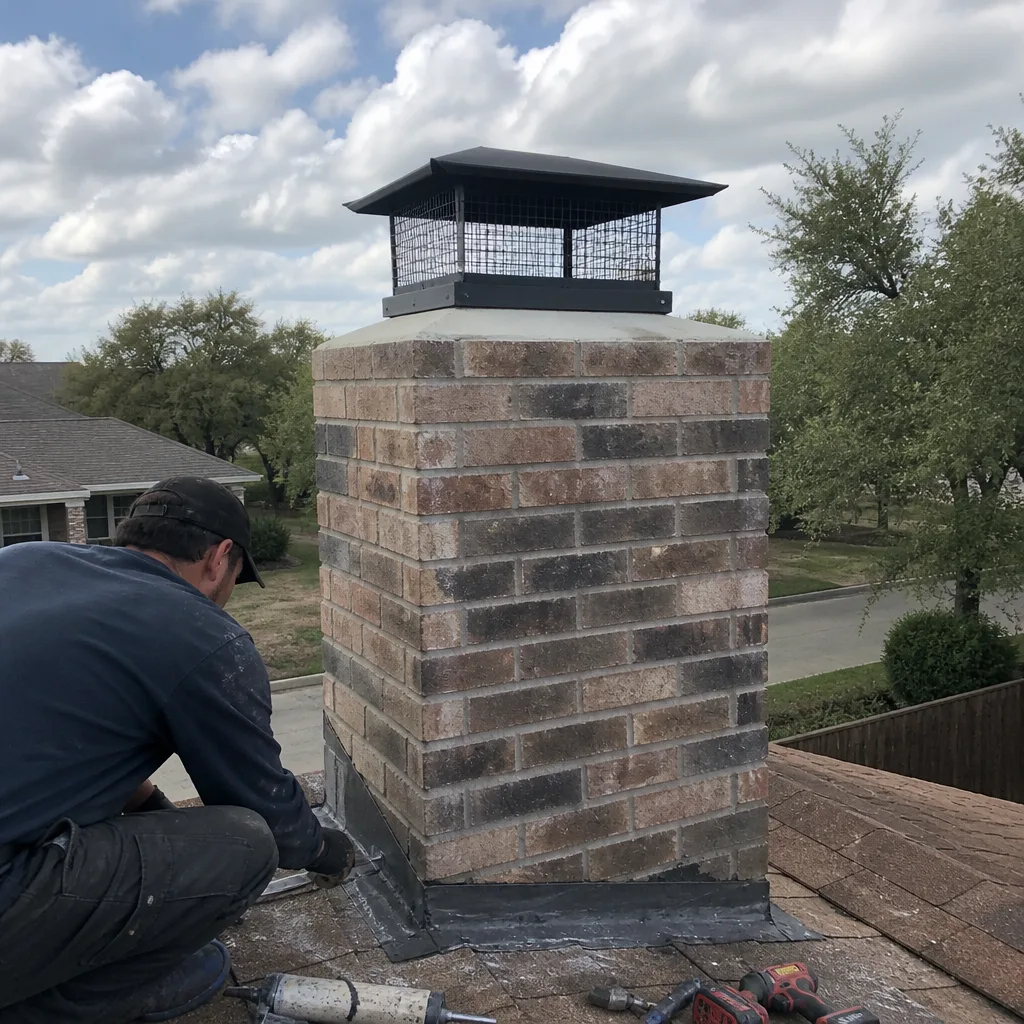
The single task that protects the flue all summer is keeping a properly fitted, intact chimney cap over the flue opening at all times. A good cap does triple duty: it keeps animals out during nesting season, it sheds monsoon rain away from the flue, and it blocks some of the pollen and debris that would otherwise settle inside. If you do nothing else for your chimney this summer, make sure the cap is there and in good shape.
This rhythm works because it’s built around San Antonio’s climate, not a Vermont guidebook. One professional visit, two short checks, a functioning cap. That’s the whole system. For families in the San Antonio area who want the professional visit handled with care, our Fireplace Repair in San Antonio service includes full sweep and inspection packages with written pricing before any work starts.
Common Mistakes to Avoid
- Waiting until October to schedule a sweep. By October, the entire city is calling at once and you’ll likely wait weeks for an appointment. The first cold front doesn’t check your sweep schedule before arriving. September is the window.
- Assuming the off-season is the safe season. The seven months when your fireplace sits idle are when heat stress, monsoon water, and nesting animals do their worst damage. A summer visual check is not optional in San Antonio.
- Skipping the chimney cap or leaving a damaged one in place. An uncapped flue is an open invitation to squirrels, raccoons, and chimney swifts. The cost of a new cap is a fraction of what animal damage and nest removal can run.
- Sweeping the ashes but never inspecting the flue. Cleaning out the firebox makes the fireplace look ready, but the flue above is where creosote builds up and where liner damage hides. A clean firebox with a dirty flue is still a fire risk.
- Burning green or wet wood. San Antonio has no shortage of firewood sellers, but not all wood is properly seasoned. Wet wood smokes heavily, builds creosote quickly, and produces less heat. Ask how long the wood has dried before buying it.
- Ignoring the pollen problem because it’s invisible. Oak and cedar pollen are a real draft restriction issue in San Antonio. If your fire has drawn well for years and suddenly starts rolling smoke into the room, check the cap screen before blaming the wood.
- Treating a musty smell from the fireplace as normal. A damp, musty odor from the firebox in summer is usually water intrusion or trapped moisture. It won’t fix itself, and by fall, the problem is typically larger and more expensive.
When to Call a Professional
Some chimney tasks are perfectly safe for a homeowner: visual checks from the ground, keeping the firebox free of excess ash, choosing good firewood. Others belong in professional hands, not because you couldn’t technically do them, but because the risk of getting it wrong is high and the cost of a mistake is higher. Call a professional when you see thick, glossy creosote deposits inside the flue. Call when you notice water stains, musty odors, or visible masonry cracking. Call when animals have nested in the chimney, when smoke rolls back into the house, or when the chimney cap is damaged or missing. And call if you haven’t had the chimney professionally inspected in more than a year, regardless of how it looks from the ground, because the things that actually fail live where you can’t see them. Kindling Chimney San Antonio offers free estimates throughout San Antonio. Call (361) 491-3153 and a live person will answer, day or night.
Frequently Asked Questions
A standard chimney sweep in San Antonio typically runs between $180 and $350 for a single fireplace, depending on the level of creosote buildup, the roof pitch and access, and whether the chimney has been maintained regularly. Chimneys with heavy glazed creosote, animal nesting, or cap damage will run higher because the work takes longer and requires additional materials. Kindling Chimney San Antonio provides a written price before any work starts, so you know the exact number before the crew begins. Call (361) 491-3153 for a free estimate based on your specific chimney.
Not necessarily. Many older San Antonio homes have chimneys that are perfectly serviceable with a proper inspection and maintenance. What you need to know is the actual condition of the liner, which requires a camera inspection rather than a guess. If the liner is cracked, spalling, or deteriorated to the point where heat and combustion gases can reach the surrounding masonry, then relining is genuinely necessary for safety. But no reputable chimney company should recommend a liner replacement without showing you camera evidence. Our Chimney Inspection in San Antonio includes exactly that: real images you can see for yourself before making any decision.
For most San Antonio families, once per year is the right cadence, scheduled in September before burning season begins. The National Fire Protection Association recommends a sweep whenever creosote reaches 1/8 inch of buildup, which for a typical household happens within a single burn season. If you burn heavily, three or more fires per week from November through February, you may need a mid-season sweep. Homes that burn only occasionally, say a dozen fires per year, can sometimes go two years between sweeps, but an annual inspection is still smart because the off-season damage in San Antonio happens whether you burn or not.
Each year you skip, creosote continues to accumulate inside the flue. At a certain thickness, that creosote becomes a fuel source. A stray ember, a hot fire, a chimney top spark, any of these can ignite it, and a chimney fire burns hot enough to crack flue tiles and spread to the home’s framing. Even without a fire, skipping maintenance lets water intrusion and animal damage worsen silently. The realistic outcome of skipping is not a dramatic emergency on a specific date. It’s a gradual degradation that eventually turns a $250 sweep into a $2,500 repair, or worse. Call (361) 491-3153 to get ahead of it this season.
Yes, and in some ways it’s the best time. Summer sweeping avoids the fall rush, gives the technician comfortable working conditions, and means any repairs uncovered can be completed before you actually need the fireplace. The only thing to be aware of is San Antonio’s afternoon thunderstorms. A morning appointment usually avoids the weather window. At Kindling Chimney San Antonio, summer is when many of our most organized clients book their annual service, and their fall always starts with a clean, ready chimney.
September is the best month for a chimney sweep in San Antonio. It sits just before the October scheduling crunch, after the hottest stretch of summer has passed, and early enough that any necessary repairs can be completed before the first cold front. Families who schedule in September get their choice of appointment times and walk into burn season with a fully prepared chimney. Kindling Chimney San Antonio serves the entire San Antonio area and books September appointments quickly once fall approaches.
The Bottom Line
A clean, safe chimney in San Antonio is not the result of one frantic October phone call. It’s the result of a simple annual rhythm matched to the city’s actual weather: one professional sweep in September, two visual checks of your own in March and July, and a functioning chimney cap all year long. San Antonio’s off-season heat, monsoon storms, and wildlife damage are the biggest threats your chimney faces, and all of them are manageable with a little attention at the right moments. The families who treat the chimney like a year-round system, rather than a seasonal appliance, are the ones who never have to wonder what’s happening above the roofline when that first cold front rolls in.
Written by Danny Cortes, Owner at Kindling Chimney San Antonio, serving San Antonio since 2003.
See the difference
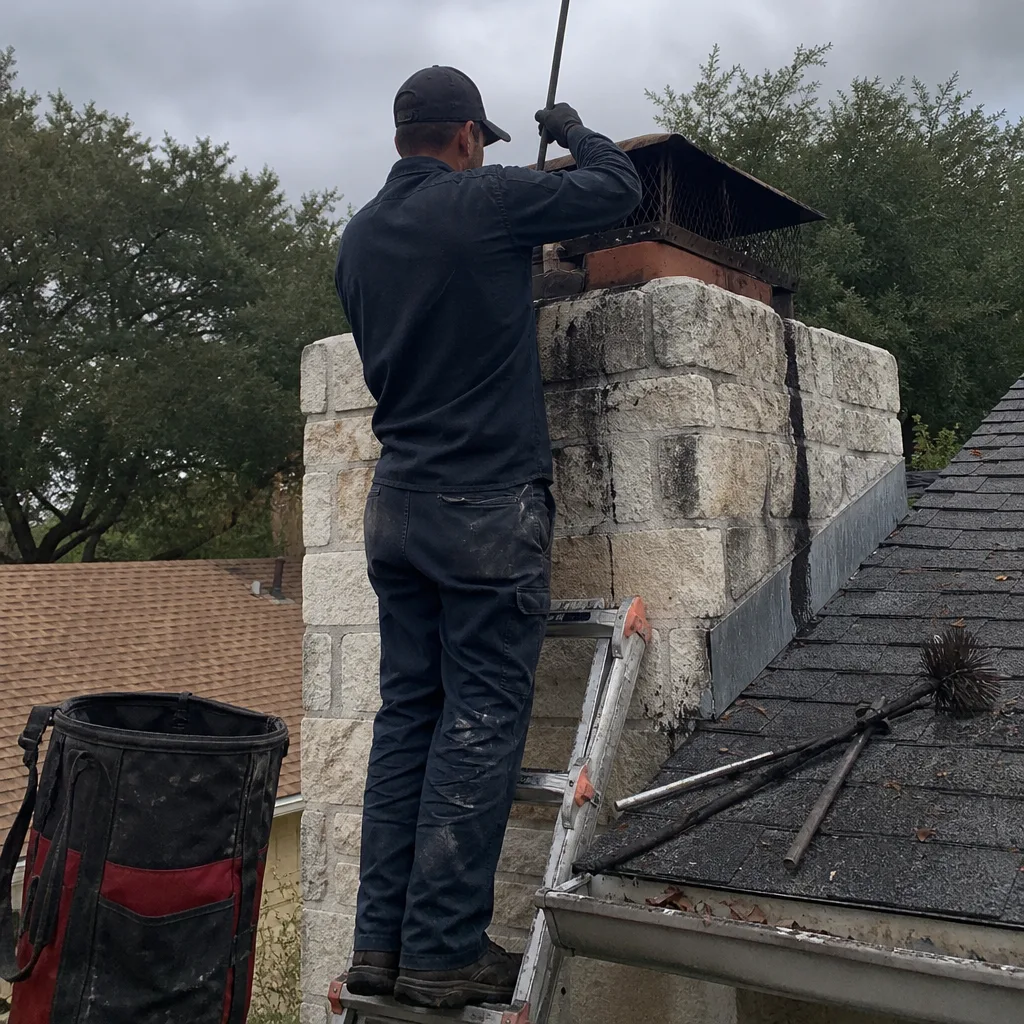 Before
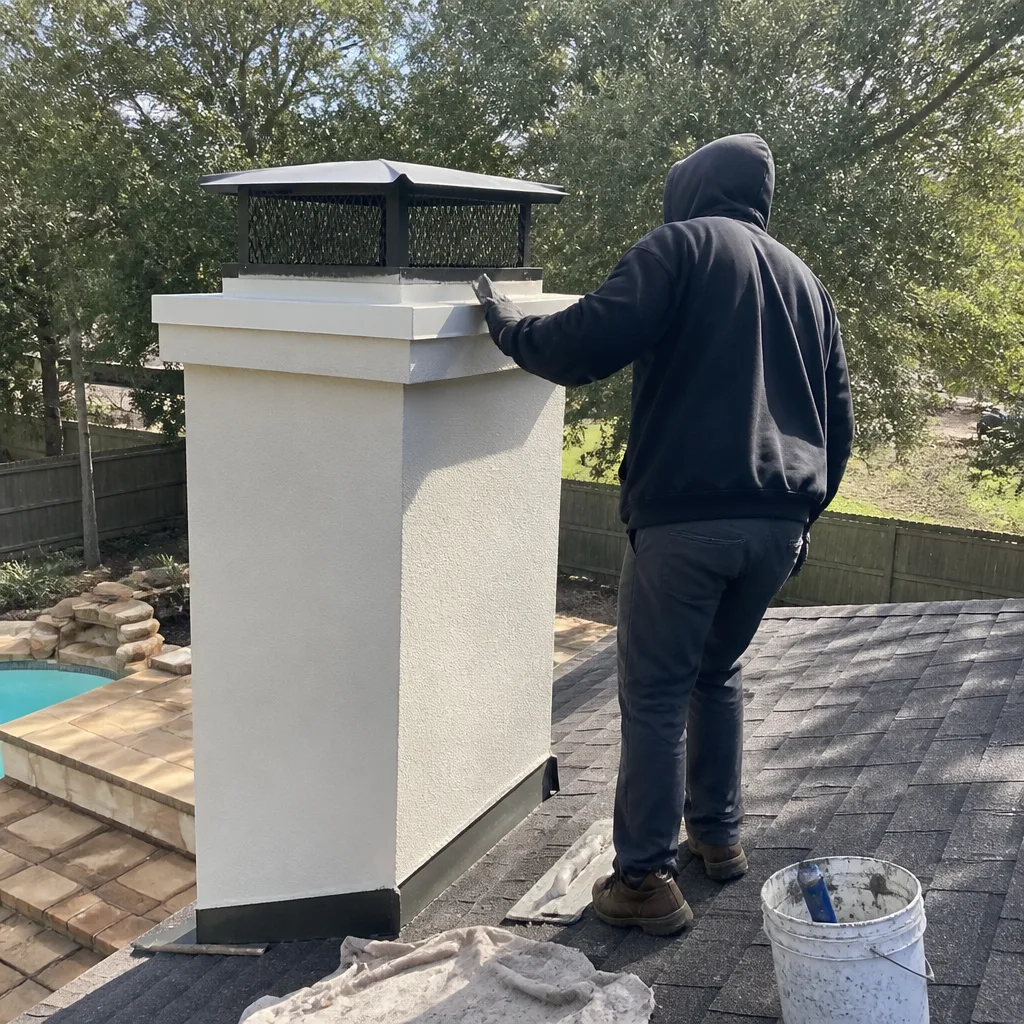 After
After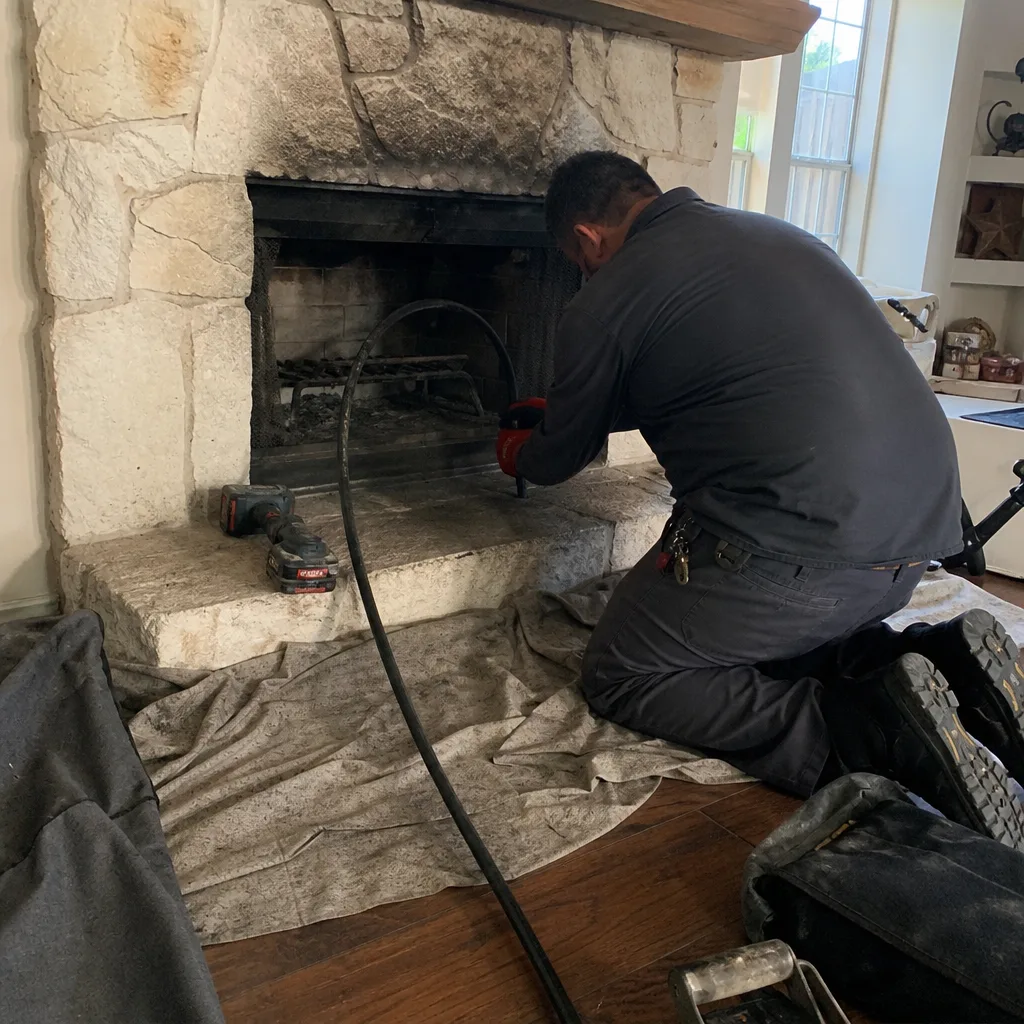 Before
 After
After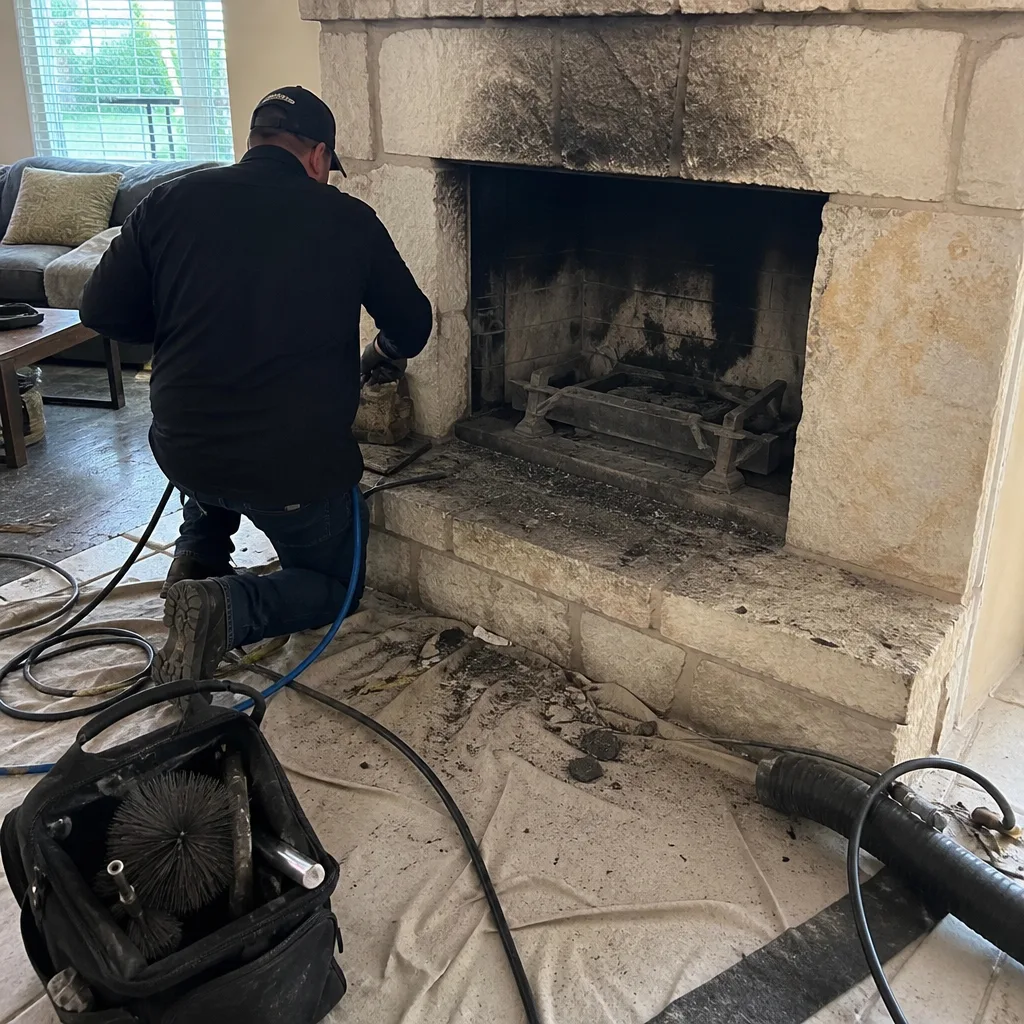 Before
 After
After