
Last updated October 15, 2026
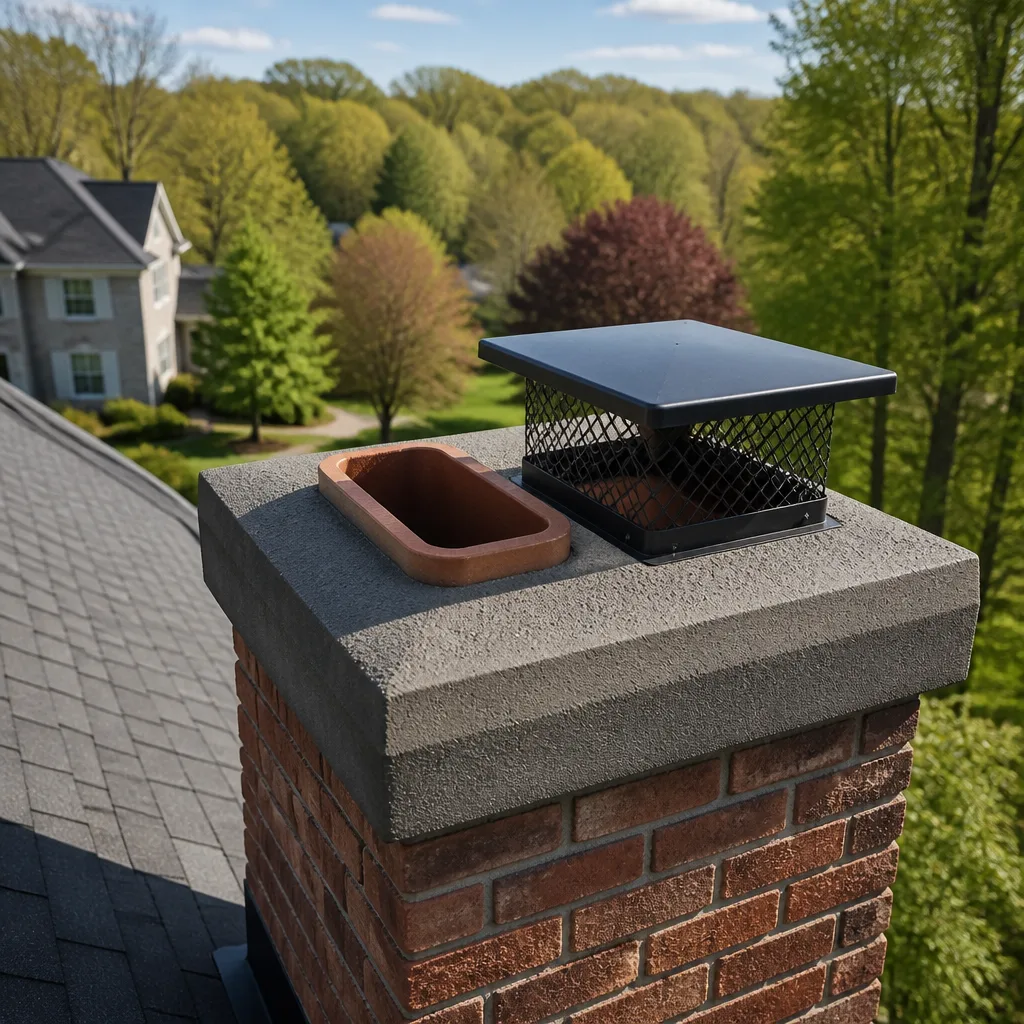 Sweep & inspection
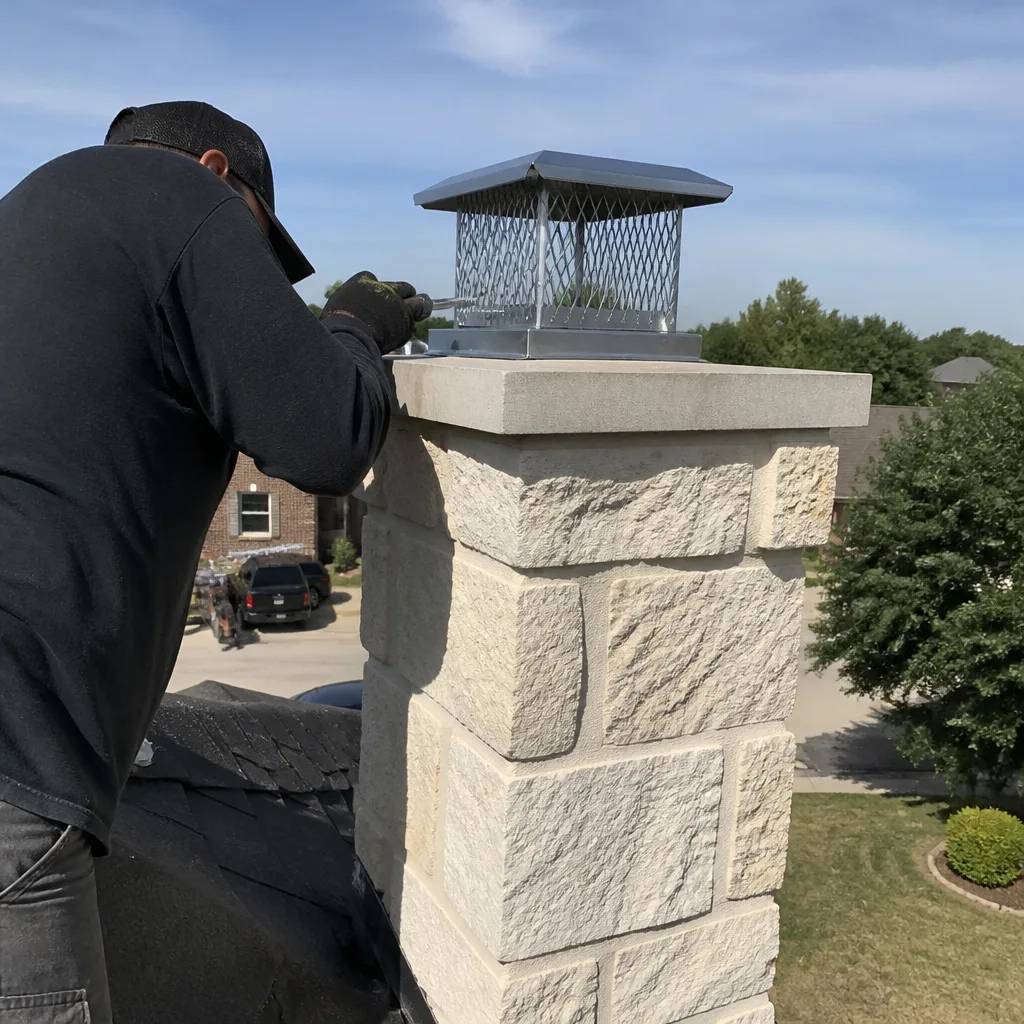
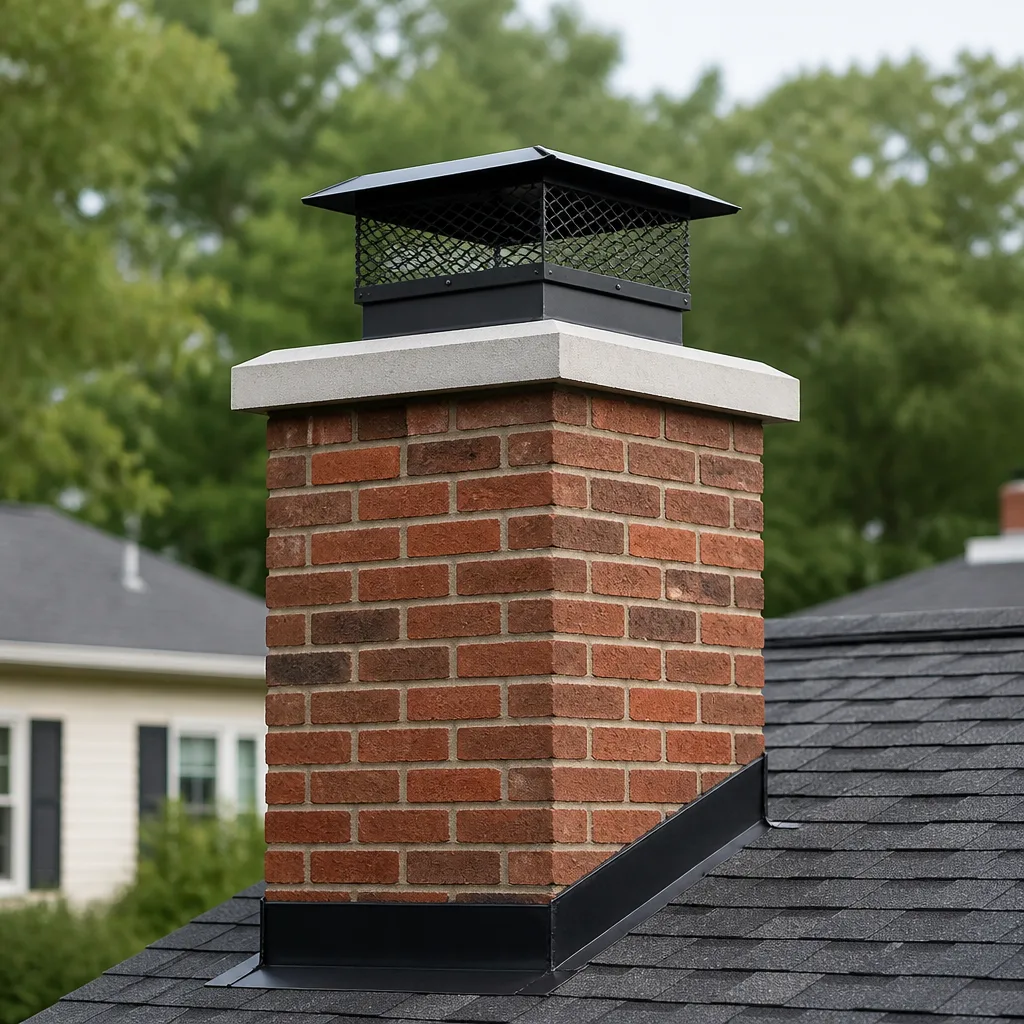 Caps & crowns
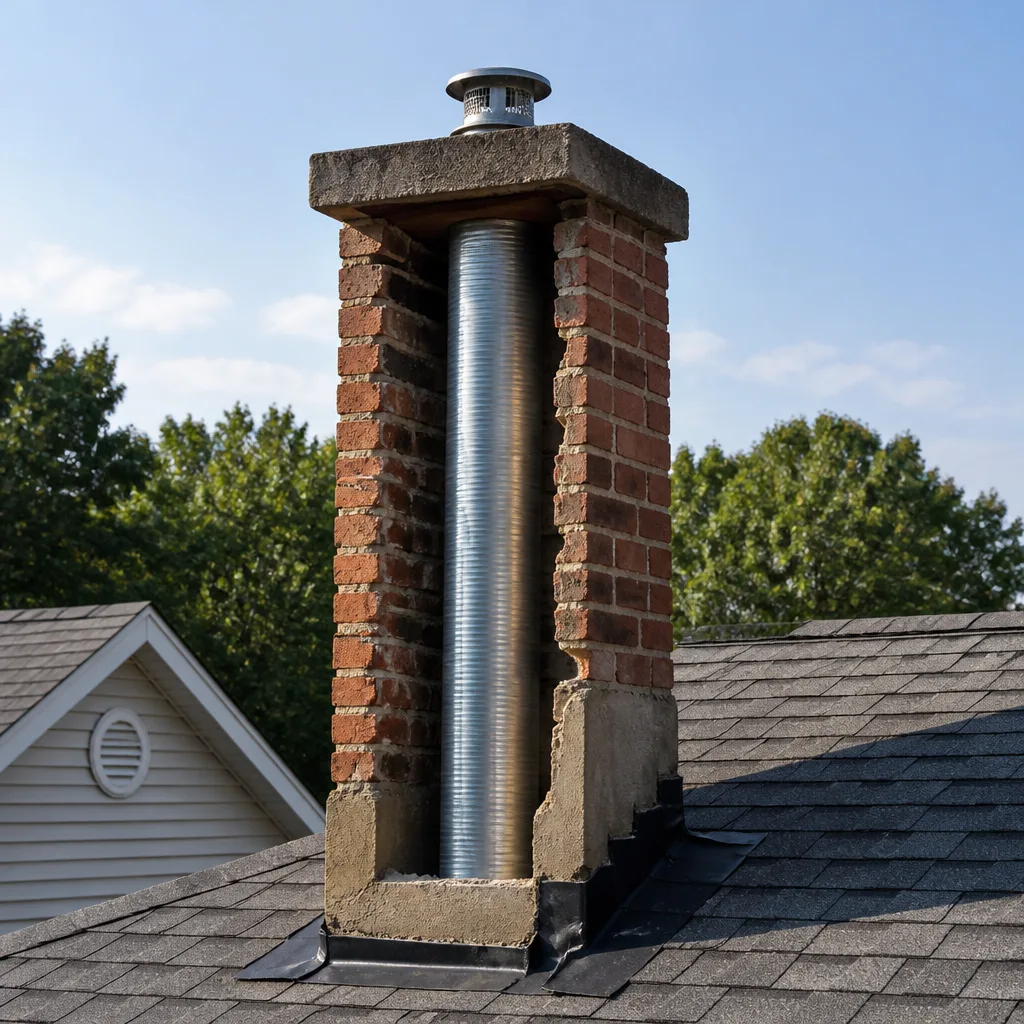 Flue relining
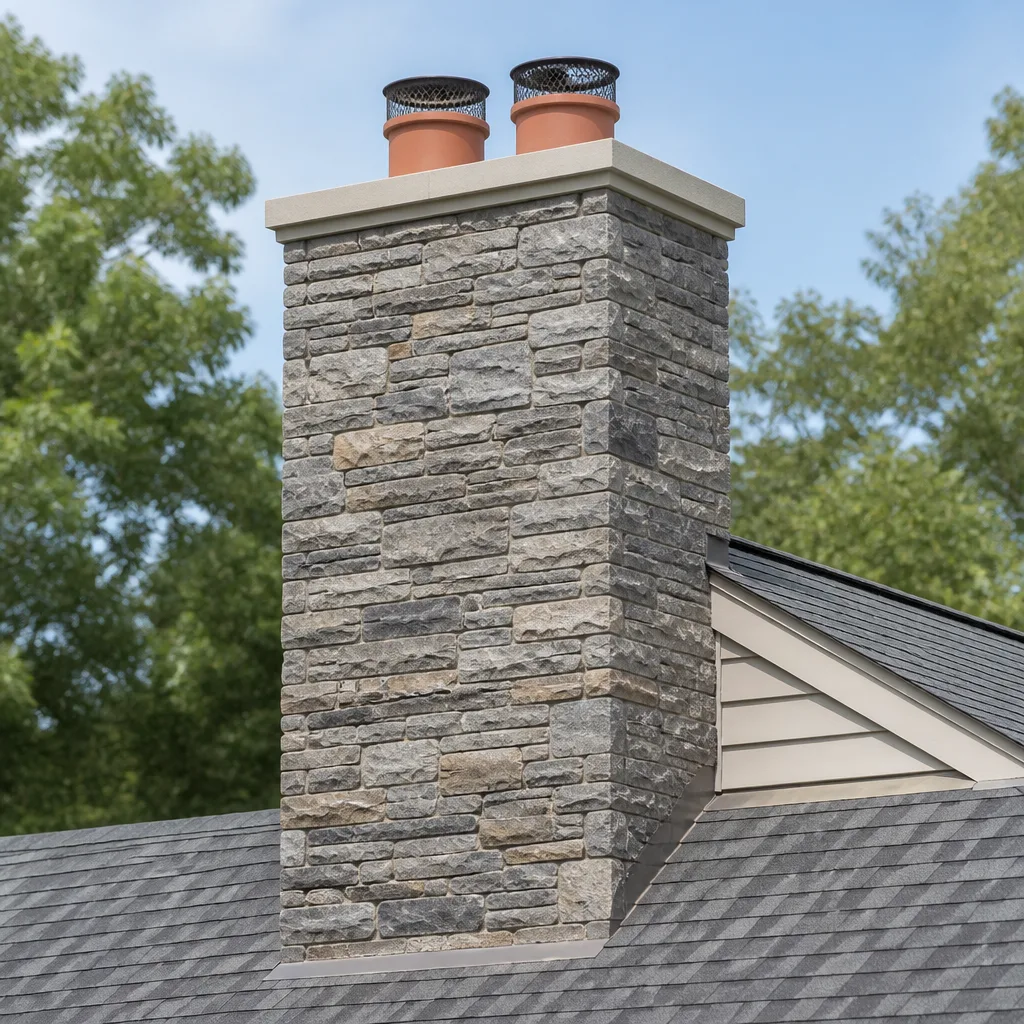 Masonry repair
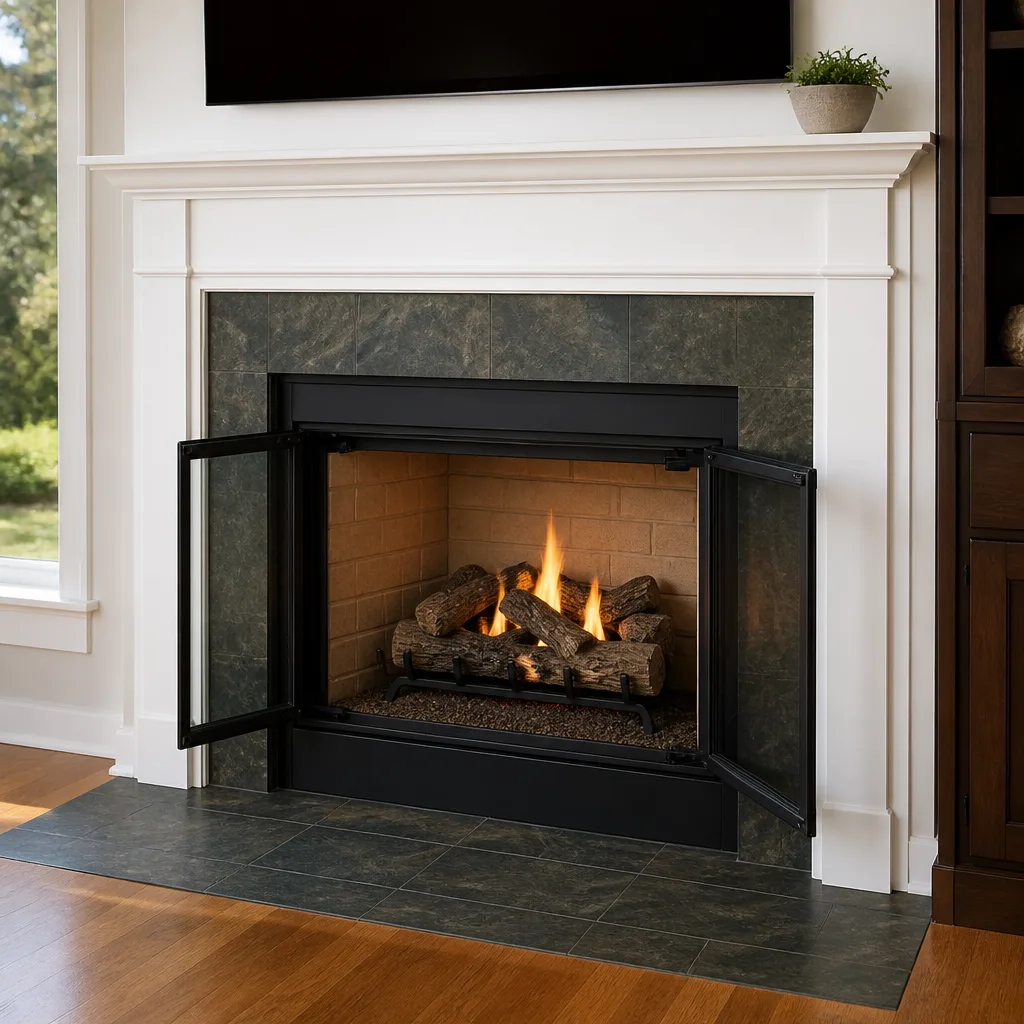 Gas fireplace service
Level 1 sweep and inspection to the NFPA 211 annual standard - flue, crown, cap, and flashing checked and photographed
Chimney sweep logs do not sweep chimneys. They loosen some creosote - which then falls where a brush and vacuum still have to collect it.
DIY vs Professional Chimney Cleaning: The San Antonio Homeowner’s Decision Guide
Every winter in San Antonio, at least one homeowner climbs onto a ladder with a $40 chimney brush, a drill attachment, and a vague sense that they’re saving money. Meanwhile, their flue is quietly accumulating the one thing that makes DIY cleaning genuinely useless: glazed, second-degree creosote that a wire brush slides right over without touching. That’s the paradox of DIY chimney care in South Texas. Our low-use fireplaces burn cooler and less consistently than the roaring, high-heat fires that northern homes depend on. That cool-burning pattern is precisely what causes the hardest, most dangerous form of creosote. A brush moves soot. But it cannot identify whether the flue tile behind that soot has a crack that meets the National Fire Protection Association’s definition of “remove from service immediately.” This guide will walk through what DIY actually accomplishes, what it misses, and how a San Antonio homeowner can make the right call.
Styles & brands we work with
Quick Answer
DIY chimney cleaning in San Antonio can remove loose soot from the firebox and the first few feet of flue, but it cannot inspect for glazed creosote, cracked flue tiles, or deteriorating mortar joints, which are the real precursors to chimney fires and carbon monoxide problems. For most San Antonio homeowners, the right approach is a professional chimney inspection and sweep once a year, with simple visual checks done by the homeowner between visits. For a deeper look at year-round maintenance timing, see our Seasonal Chimney Cleaning Care for San Antonio: Year-Round Homeowner’s Guide. A professional sweep in San Antonio with inspection runs roughly $189 to $350, while a proper DIY setup costs $75 to $200 in tools and still leaves the flue unrepaired and uninspected.
Table of Contents
- What DIY Chimney Cleaning Actually Accomplishes
- Why San Antonio’s Climate Makes DIY Riskier Than You’d Think
- The Tools Professionals Bring That Change the Outcome
- The True Cost Comparison: DIY vs Professional in San Antonio
- Understanding Creosote Stages and Why They Matter
- The One Scenario Where DIY Maintenance Makes Sense
- Signs Your Chimney Needs More Than a Sweep
- Common Mistakes to Avoid
- When to Call a Professional
- Frequently Asked Questions
What DIY Chimney Cleaning Actually Accomplishes
Let’s be honest about what a hardware-store chimney brush does. It removes loose, flaky soot from the firebox, the smoke chamber if you can reach it, and the lower portion of the flue. That’s it. The soot you can see and the soot you can brush away is first-degree creosote, a dry, powdery substance that comes off with moderate pressure. It’s the least dangerous form of chimney buildup, and removing it does improve airflow and reduce the chance of a small chimney fire spreading. For a San Antonio homeowner who only burns ten or twelve fires per winter, this is often the only type of buildup present.
But here’s what the brush cannot reach. The upper flue, where most of the smoke cools and condenses on the flue walls. The smoke shelf and damper area, where debris collects in awkward, brush-hostile angles. The flue tile joints themselves, which are common points of failure in San Antonio homes because our clay tile flues expand and contract through summer heat and winter drafts. A brush also cannot tell you whether the creosote it’s scraping across has hardened into a shiny, tar-like layer. That second-degree glazed creosote is not removed by wire bristles. It needs a rotary system with special chains or a chemical treatment like the products Kindling Chimney San Antonio uses on heavy buildup. Read more about what a professional Chimney Sweep in San Antonio covers.
Most importantly, brushing your own chimney does not equal inspecting your chimney. The two tasks are so intertwined that the Chimney Safety Institute of America treats them as a single process. A sweep’s job is not just to remove buildup but to feel every inch of the flue for structural defects as the brush passes through. A DIY homeowner with a drill attachment and a rope has no way to feel for the snag, the soft spot, the crumbling mortar joint that the brush catches on briefly and then passes over. Those are the defects that matter.
Why San Antonio’s Climate Makes DIY Riskier Than You’d Think
San Antonio has an unusual fireplace profile. We’re far enough south that winters are short and often mild, which means most fireplaces here run ten to twenty times a season instead of every night from October to March. That irregular burn pattern is exactly what produces glazed creosote. Here’s the chemistry: when a fire burns hot and steady, creosote remains in its dry, flaky form and a good brushing removes most of it. When a fire burns cool, or when a homeowner starts a fire, lets it smolder for three hours, and then doesn’t burn again for two weeks, the smoke condenses on the flue walls and gradually hardens. Over a season or two, that hardened layer becomes a shiny, tar-like coating that a wire brush from Home Depot won’t budge.
San Antonio’s humidity compounds the problem. Moisture in the air mixes with the creosote and accelerates the glazing process. Homes in Alamo Heights, Stone Oak, and Terrell Hills that sit under heavy tree cover often have flues that stay damp for days after a rain. That moisture seeps into the masonry and the flue tile, causing expansion and contraction that no one sees from the fireplace opening. We’ve pulled video scans on San Antonio chimneys that looked fine from the bottom and had hairline cracks running the full length of the flue tile. Those cracks are how chimney fires spread into the home’s structure, and they’re invisible to a homeowner with a brush and a flashlight.
Then there’s the wildlife issue. San Antonio winters drive squirrels, chimney swifts, and the occasional raccoon into flues. A nest at the top of the flue or a dead bird wedged into the smoke shelf creates a draft problem and a fire hazard. A DIY brushing from the bottom will not clear out a wildlife nest, and a homeowner who tries to remove one blindly from the top is working on a pitched San Antonio roof with a live animal involved. That’s a situation for a professional with the right equipment, and it’s one we handle regularly on our Chimney Inspection in San Antonio calls.
The Tools Professionals Bring That Change the Outcome
When we show up to a San Antonio home, we bring three pieces of equipment that fundamentally change what the service accomplishes. A homeowner with a drill brush is working blind. These tools make the flue legible.
Rotary cleaning systems. A rotary system attaches to a heavy-duty drill and uses chains or specially designed whips to scour the flue walls, not just sweep them. This is the only mechanical method that reliably removes second-degree glazed creosote. It’s loud, it’s messy, and it’s effective. The difference between a rotary system and a hand brush is the difference between scrubbing a burned-on pan with a sponge versus steel wool. For San Antonio homes that haven’t been swept in three or more years, a rotary system is often the only thing that gets the flue back to a clean surface.
Video scan cameras. After the sweep, a professional runs a camera up the flue. The camera shows the interior surface in real time: every crack, every deteriorated mortar joint, every section of missing tile. It gives the homeowner something they rarely get from any other trade: photographic evidence of what their home actually needs. We show the footage and explain what we’re seeing. If a repair isn’t needed, we say so plainly. If a liner is needed, the homeowner sees the crack themselves before any work is discussed. That transparency is the entire point of a professional inspection. A homeowner who brushes their own chimney never sees the inside of their flue.
Smoke pressure tests. A smoke pressure test seals the top of the chimney and releases a measured amount of smoke into the flue. If there’s a leak anywhere in the system, the smoke finds it and drifts out through the crack or gap. This test catches defects that a visual inspection misses, especially in the hidden areas of a chase or between floors. It’s how a professional confirms that the chimney is safe to use, not just that the flue looks clean. No homeowner DIY kit includes this tool, and it’s the one that catches the most dangerous defects.
If the inspection finds liner damage, we use materials from brands like HeatShield, Gelco, and Olympia Chimney to repair or resleeve the flue. These are the same products used by certified chimney contractors nationwide, and they’re installed to code. A Fireplace Repair in San Antonio that starts with a video scan and ends with a documented liner repair is a different thing entirely from a handyman with a mortar trowel.
The True Cost Comparison: DIY vs Professional in San Antonio
The honest math on DIY chimney cleaning looks different from the marketing on the brush package. A homeowner in San Antonio who wants to do the job properly needs to buy or rent the following:
- Chimney brush kit: $40 to $80 at Home Depot or Lowe’s, sized for their flue diameter. Get the size wrong and the brush either jams or misses the walls.
- Drill attachment rods: $30 to $60 for flexible rods that connect the brush to a drill. Most kits don’t include enough rods to reach a full chimney from the bottom.
- Drop cloths and plastic sheeting: $15 to $30 to protect floors and furniture, because chimney soot is fine, black, and adheres to everything.
- Shop vacuum with HEPA filter: $60 to $120 if the homeowner doesn’t already own one. A standard household vacuum will not handle chimney soot and will damage the motor or blow soot into the air.
- Tape, tarps, and a ladder safe enough for roof work: $20 to $40 for supplies, and a good extension ladder is $100 to $300 if the homeowner doesn’t have one.
That puts the realistic first-time cost between $185 and $570, depending on what the homeowner already owns. And that’s before accounting for time. A DIY job from a San Antonio roof takes four to six hours for a first-timer, including setup, brushing from the top and bottom, and cleanup. For most homeowners, that’s a full Saturday gone and a pile of sooty tarps to wash.
A professional sweep and inspection in San Antonio typically runs between $189 and $350 for a standard one-story fireplace with a clay tile flue. That price in San Antonio’s market includes the sweep, the full inspection with video scan, the smoke test, the cleanup with drop cloths and shoe covers, and a written report of what was found. The homeowner knows the price before the technician starts, because the written estimate is part of the service.
What the comparison really comes down to is what each option produces. DIY produces a flue with less loose soot. Professional work produces a flue with less soot, a documented inspection, a photo record of the flue’s condition, and a professional recommendation on whether the chimney can be used safely. Those last three items are the reason the professional price exists.
Understanding Creosote Stages and Why They Matter
Creosote is not one substance. It’s a spectrum of combustion byproducts that changes character based on how hot and how often the fire burns. Understanding the three stages is the quickest way to know what you’re dealing with.
- First-degree: dry and flaky. This is the powdery, dark grayish-brown residue that brushes away easily. It forms during hot, efficient fires. A homeowner with a chimney brush can remove first-degree creosote. It’s not urgent, but it should be removed before it builds up.
- Second-degree: glazed and tar-like. This is the shiny, hard, black coating that forms during cool or smoldering burns. It cannot be removed with a standard wire brush. San Antonio’s infrequent, low-heat fires produce disproportionately more second-degree creosote than year-round burners in northern climates. This stage requires a rotary cleaning system, and it’s the stage where chimney fires become a real risk.
- Third-degree: heavy glazed tar. At this stage, the creosote is a thick, candle-like glaze that has absorbed into the flue surface. It’s flammable enough that even a hot spark can ignite it. Third-degree creosote often requires chemical treatment followed by rotary removal, and in severe cases, it makes more sense to replace the flue liner.
The stage that a visual check from the bottom cannot identify is the second stage. A homeowner looking up from their firebox sees black, assumes it’s soot, and brushes at it. Nothing comes off. At that point, the chimney needs professional attention. The stage is the difference between a maintenance task and a safety issue.
The One Scenario Where DIY Maintenance Makes Sense
After a professional sweep and inspection has established that the chimney is structurally sound and clean, there is one DIY task that makes sense between annual visits: the homeowner visual check. This is not a sweeping task. It’s a piece of awareness that takes five minutes.
- Open the damper and shine a flashlight up the flue. Look for obvious piles of creosote flakes, fallen brick chips, or visible obstructions like a nest or leaves.
- Run your hand along the firebox walls. If your fingers come back with fine, black powder on them, that’s loose first-degree soot. It’s not urgent. If you touch a shiny, hard surface that feels like hardened tar, that’s glazed creosote, and it needs professional attention.
- Check the damper plate. Make sure it opens and closes smoothly. A stuck damper is a carbon monoxide hazard, especially in tightly sealed San Antonio homes.
- Look at the chimney crown from the ground. The crown is the concrete cap at the very top. If you can see cracks from the yard with the naked eye, water is getting in. Call for a professional inspection.
That’s the safe, sane version of DIY chimney care. It’s a check, not a cleaning. It’s useful precisely because it’s done between professional visits, and it helps a homeowner know when to call sooner rather than later. Nothing about this process puts a homeowner on a ladder or asks them to interpret what they can’t see.
Signs Your Chimney Needs More Than a Sweep
Some San Antonio chimneys don’t need a sweep. They need a repair. The distinction matters because a sweep on a damaged chimney is wasted money and a false sense of safety. Here are the signs that tell a professional the chimney needs structural attention, not just cleaning.
- Visible cracks in the firebox brick. The firebox is the brick box inside the fireplace opening. Cracks there mean the masonry is failing under heat stress, and they usually grow until mortar is restored.
- White staining on the exterior chimney brick. That’s efflorescence, a sign that water is moving through the masonry and leaving mineral deposits. It means the chimney is absorbing water and needs a crown repair or waterproofing, not a sweep.
- A smoky smell in the house when the fireplace isn’t in use. That smell usually means the damper is failing or the flue is partially blocked, and it often worsens in humid San Antonio weather.
- Pieces of flue tile at the bottom of the firebox. If you find thin, flat, red clay fragments in the firebox, that’s flue tile deterioration. The flue is literally falling apart, and the chimney should not be used until it’s repaired.
- A fire that burns strangely. A fire that smokes heavily, dies quickly, or drafts unpredictably despite adequate kindling is often telling you the flue is not doing its job. The cause could be a blockage, a cracked liner, or a sizing problem.
None of these signs are DIY-fixable, and none of them are addressed by brushing. They’re all addressed by a professional inspection that finds the structural issue and a repair that restores the flue or masonry to working order.
Common Mistakes to Avoid
- Brushing without inspecting. Cleaning loose soot while ignoring a cracked flue is like washing a car that needs a new brake line. The clean surface doesn’t change the structural problem. Every chimney service should include an inspection, which is why professional sweeps in San Antonio do both together.
- Using the wrong brush size. A brush too small for the flue will spread soot around without removing it. A brush too large will jam, and the homeowner may damage the flue liner trying to force it free. Matching brush diameter to flue diameter is essential, and most homeowners guess.
- Brushing from the top without fall protection. A San Antonio roof in January is cool, but the shingles are slick and the slope doesn’t care how long you’ve lived there. A fall from a single-story roof is a broken bone. A professional crew brings roof anchors and the training to use them.
- Vacuuming with a household vacuum. Chimney soot is microscopic and will pass through a standard vacuum filter and blow back into the room. It permanently stains the vacuum and contaminates the air. Professionals use HEPA-filtered chimney vacs for a reason.
- Assuming no fires means no problem. A fireplace that hasn’t been used in three years still needs inspection before the first fire of the season. Wildlife nests, water damage, and flue deterioration happen when the fireplace is idle, not when it’s running.
- Ignoring the smoke pressure test. Hairline cracks in a flue liner are almost never visible to the naked eye, even with a camera. The smoke pressure test is what catches them, and skipping it leaves the most dangerous defect undetected.
- Trusting a low-ball sweep price without an inspection. A $79 sweep special in San Antonio is almost always a sweep only, no inspection, no video scan, no smoke test. It’s a partial service that leaves the homeowner with a clean flue and no idea whether the chimney is safe to use.
When to Call a Professional
Call a professional when the chimney hasn’t been inspected in over a year, when you see glazed or sticky buildup in the flue, when you find flue tile pieces in the firebox, when the fireplace smokes or smells, when you’ve had a chimney fire of any size, or when you’re buying a home with an existing fireplace. Those are the moments when a brush is the wrong tool and a trained eye is the right one. Kindling Chimney San Antonio offers free estimates in San Antonio, and the written price is always delivered before any work starts. Call (361) 491-3153 and a live person will answer, any hour, any day. No voicemail trees, no pressure, just a straight answer about what your chimney needs.
Frequently Asked Questions
A standard chimney sweep with inspection in San Antonio runs between $189 and $350 for most single-family homes with a clay tile flue. The price includes the sweep, video scan, smoke test, cleanup protection, and a written report of the flue’s condition. Call (361) 491-3153 for an exact quote. Estimates are free, and the written price is delivered before any work starts.
You can brush loose soot from your own firebox and lower flue if you have the right tools, but you cannot inspect the flue for cracks, glazed creosote, or structural deterioration. Those are the defects that cause chimney fires and carbon monoxide leaks. Most San Antonio homeowners should have a professional sweep and inspection annually, then use simple visual checks between visits.
Yes. San Antonio’s pattern of infrequent, cool-burning fires produces more second-degree glazed creosote than you’d see in a home that burns hot fires daily all winter. The irregular burn cycle lets smoke condense and harden on the flue walls, forming the tar-like coating that a standard wire brush can’t remove.
The Chimney Safety Institute of America recommends a chimney inspection and sweep whenever creosote buildup reaches 1/8 inch, or at least once per year if you use your fireplace at all. For San Antonio’s low-use fireplaces, an annual visit is enough for most homes. If you burn more than 20 fires a season, ask the technician whether a mid-season check makes sense.
A sweep removes soot and creosote from the flue. An inspection examines the flue’s structural condition, including cracks, water damage, and mortar deterioration. In practice, the two are done together because the sweep clears the surface so the inspection can see what’s underneath. A sweep without an inspection leaves the most dangerous defects undetected.
Many do, and it’s worth asking before you book. Kindling Chimney San Antonio uses pet-safe products wherever there is a choice, and the crew lays down shoe covers and drop cloths before any work begins. No chemicals are left behind that would harm kids or animals. A photo of the cleanup is taken before the crew leaves, every time.
You’ll know when a video scan shows cracks, gaps, or missing flue tile sections, or when a smoke pressure test shows leakage. These are findings a professional can show you directly on camera. Kindling Chimney San Antonio never recommends a liner replacement without photographic evidence you can see for yourself. If the flue is damaged, we’ll show you the footage and explain exactly what it means. Repairs use brands like HeatShield, Gelco, and Olympia Chimney, all installed to code.
The Bottom Line
DIY chimney cleaning does one thing well: it removes loose soot from the parts of the chimney you can see. It does not inspect the flue, remove glazed creosote, identify cracked tiles, or test for leaks unless you happen to own a rotary cleaning system, a video scan camera, and a smoke pressure tester. Those tools cost thousands of dollars and take years to use well. The honest answer for most San Antonio homeowners is that a professional sweep and inspection once a year costs about the same as dinner for four, and it delivers something DIY cannot: actual knowledge about whether the chimney is safe for the family sleeping under it. For more guides & resources on keeping your chimney safe, visit our blog. That’s the trade. If you want the flue swept and the structure confirmed sound, call Kindling Chimney San Antonio at (361) 491-3153. If you want to save the money and accept the risk you can’t see, the hardware store aisle sells brushes either way.
Written by Danny Cortes, Owner at Kindling Chimney San Antonio, serving San Antonio since 2003.
See the difference
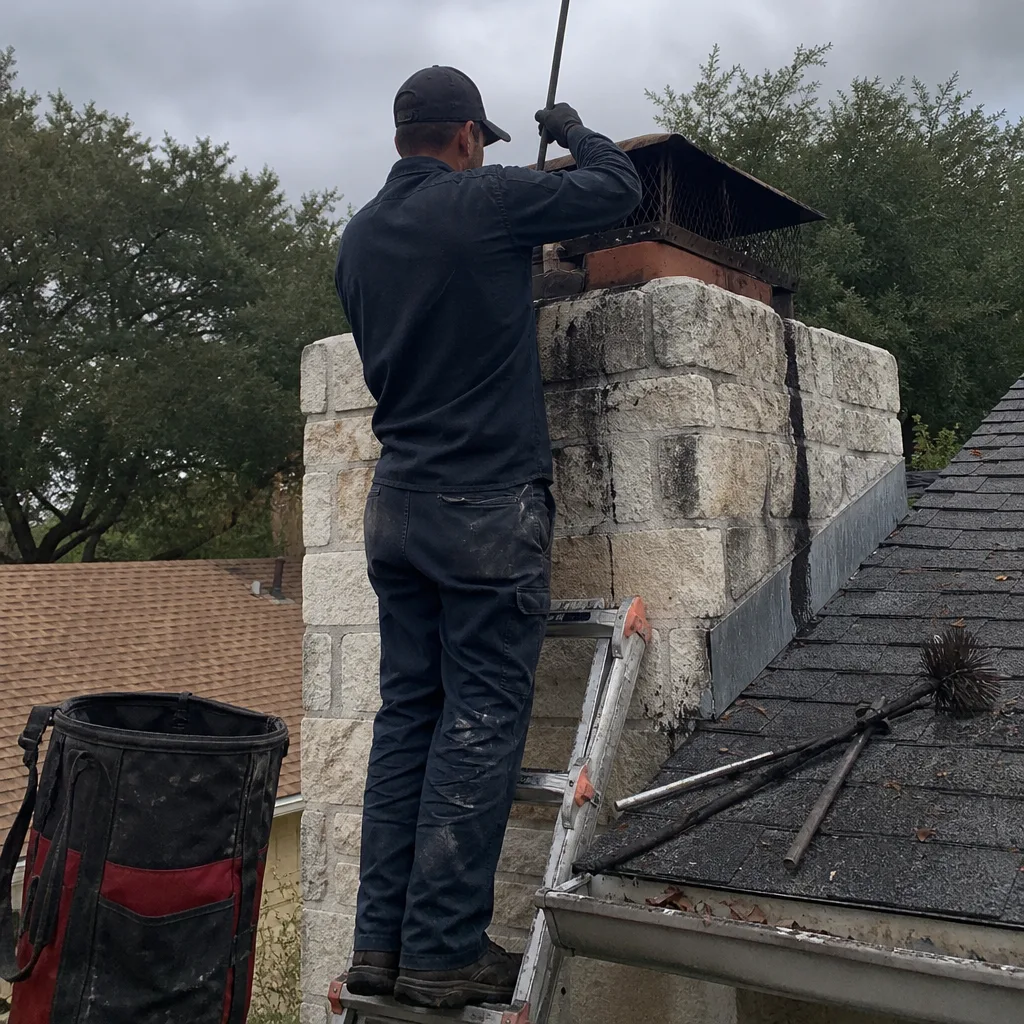 Before
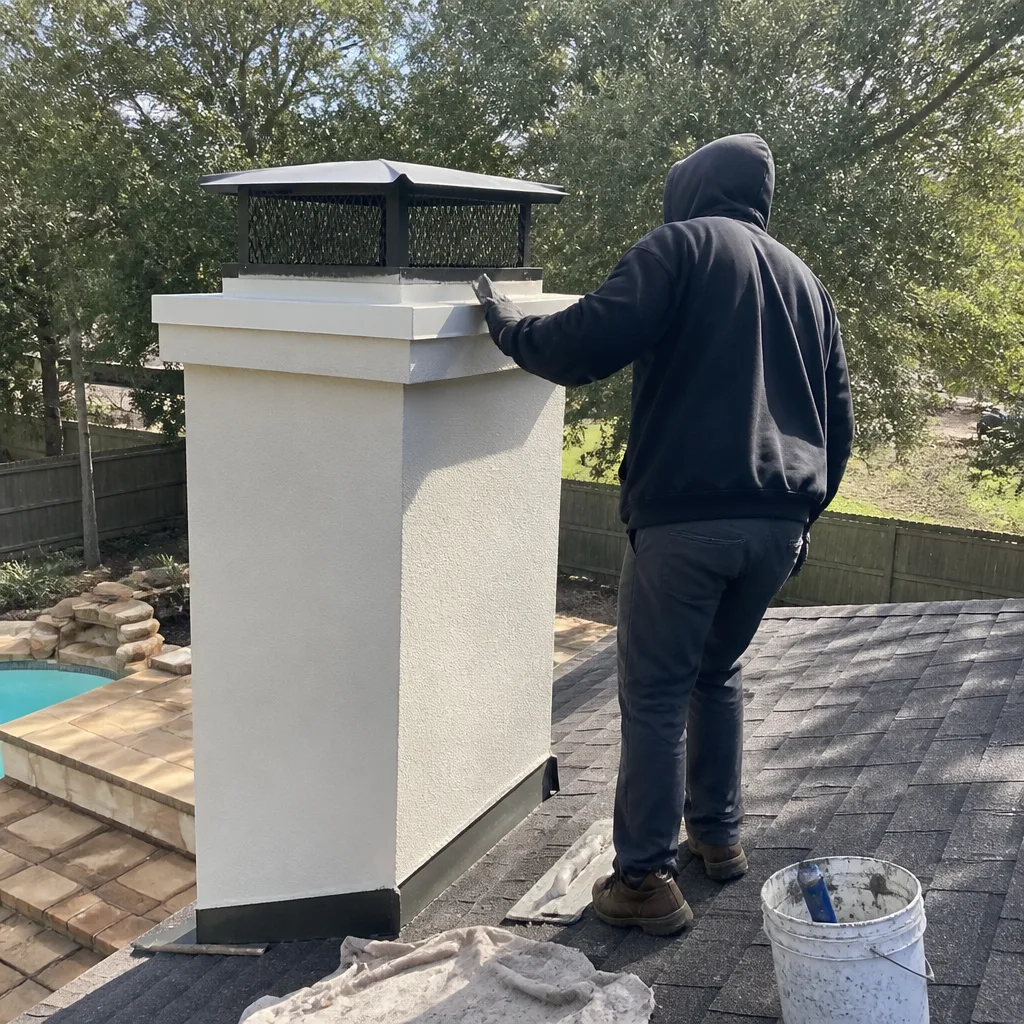 After
After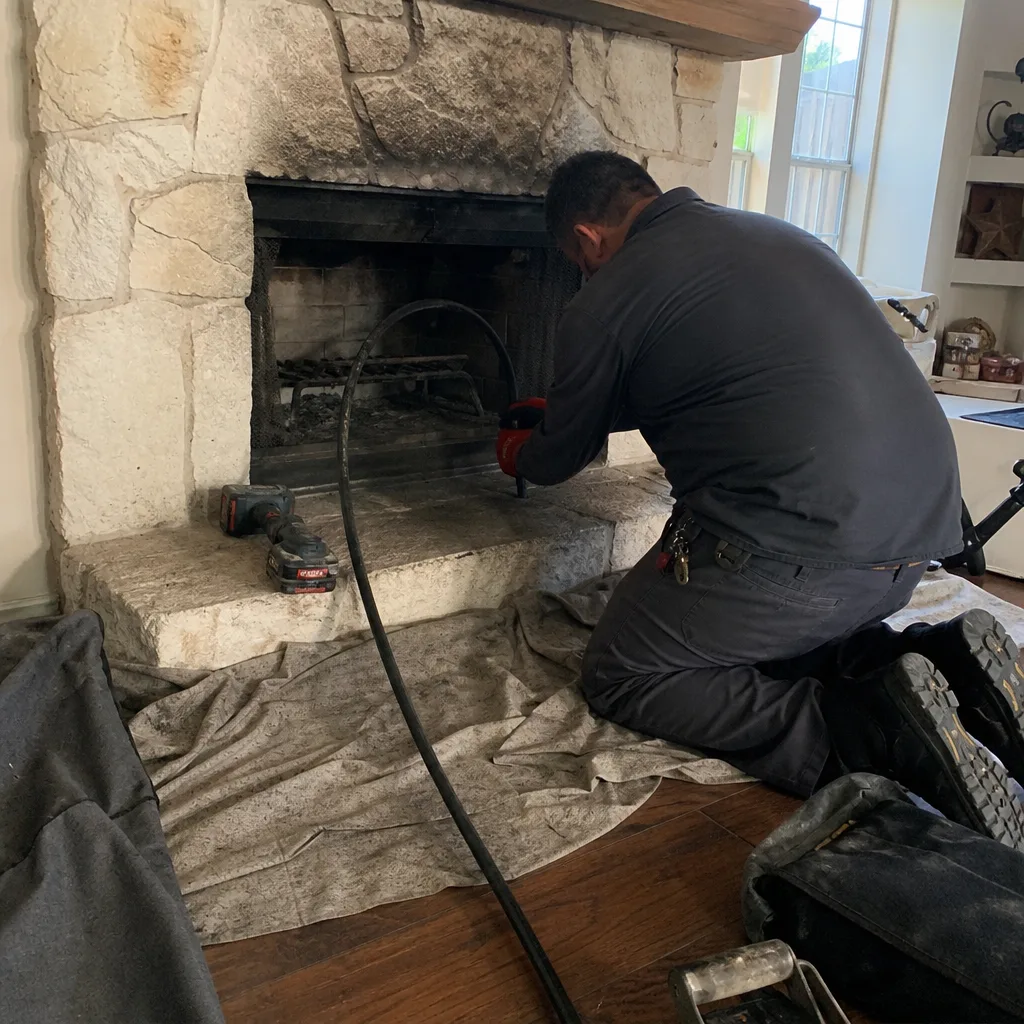 Before
 After
After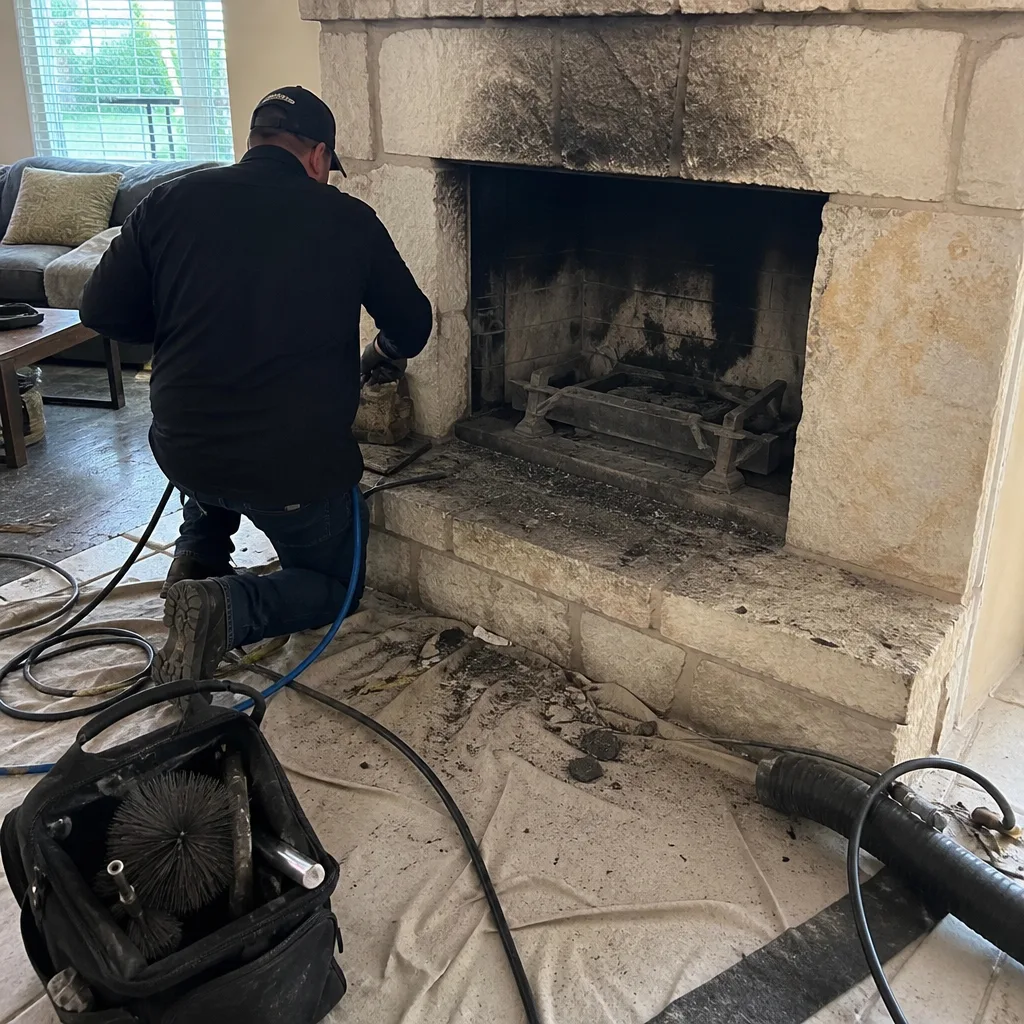 Before
 After
After