
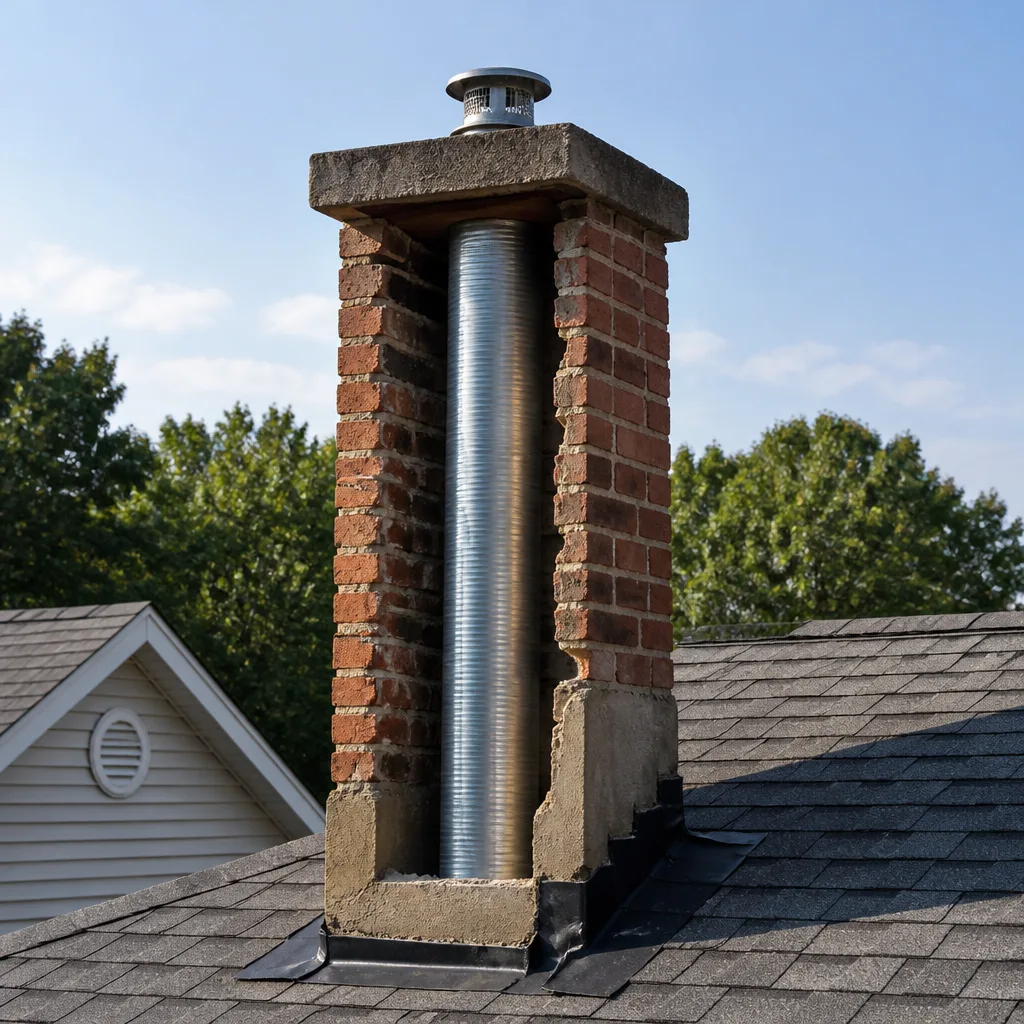
 Flue relining
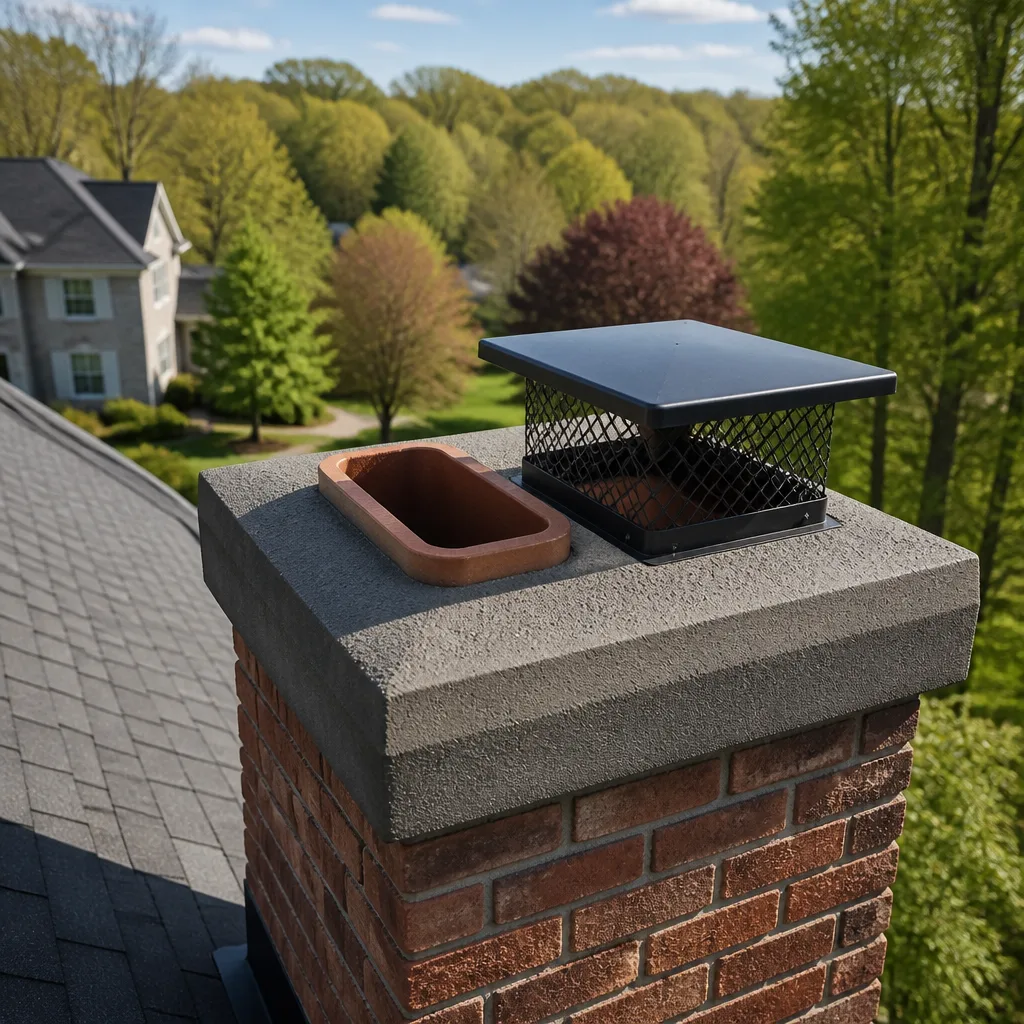 Sweep & inspection
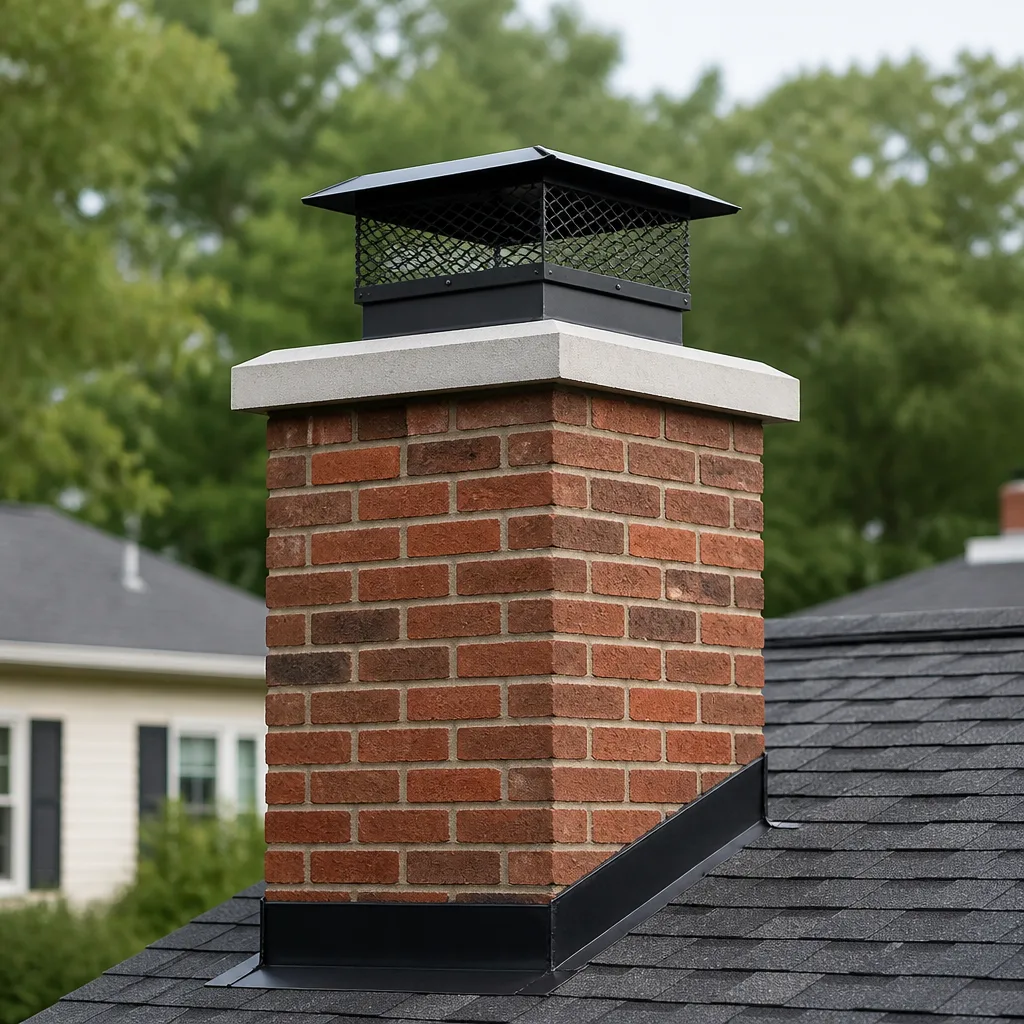 Caps & crowns
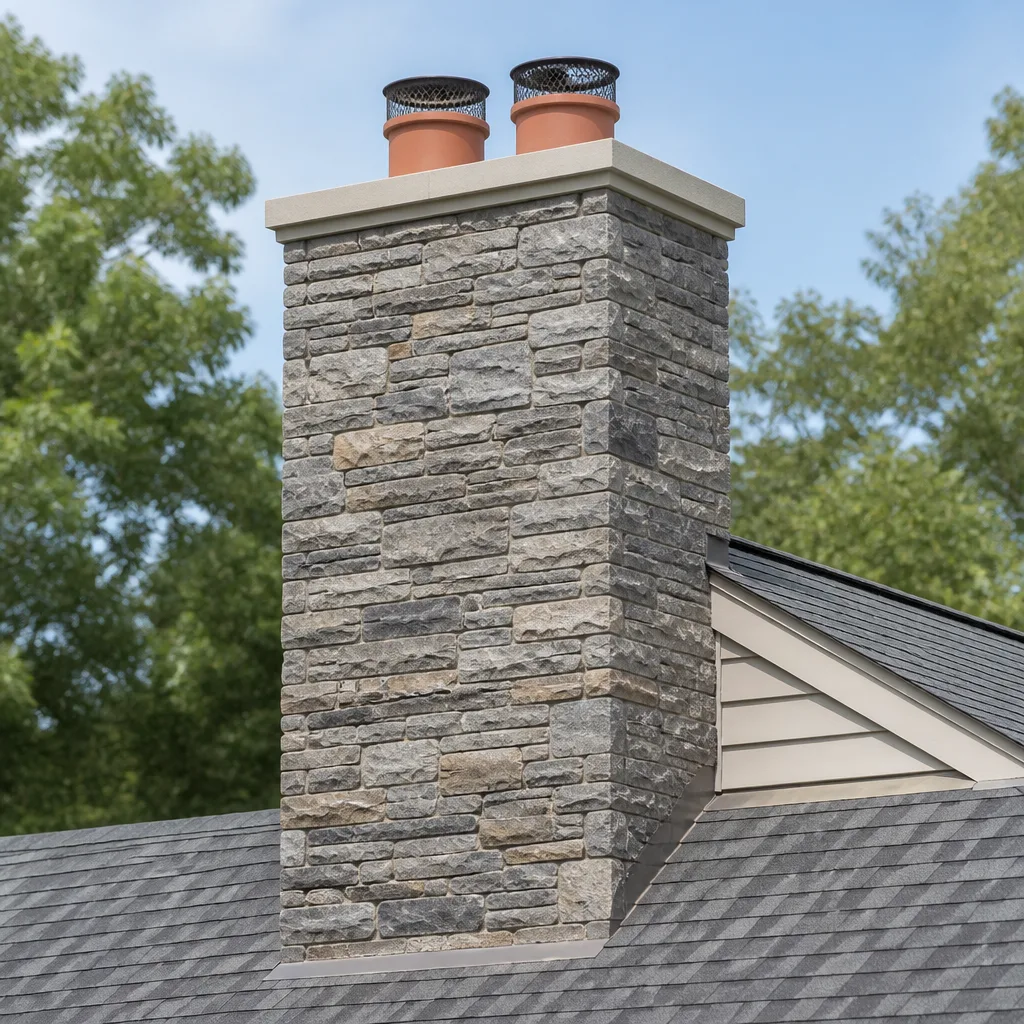 Masonry repair
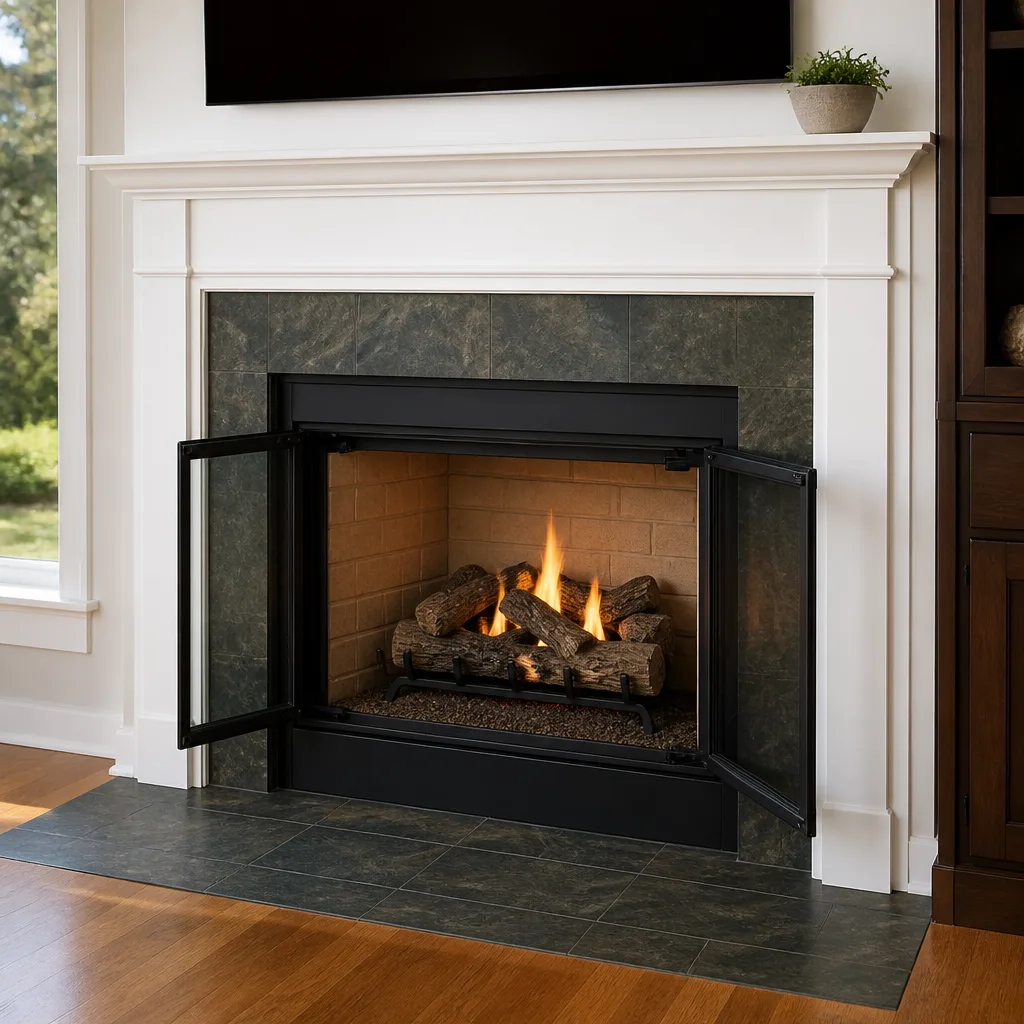 Gas fireplace service
Level 1 sweep and inspection to the NFPA 211 annual standard - flue, crown, cap, and flashing checked and photographed
Chimney sweep logs do not sweep chimneys. They loosen some creosote - which then falls where a brush and vacuum still have to collect it.
Gelco Flue Liner Replacement: The San Antonio Owner’s Guide
Gelco flue liner replacement in San Antonio typically runs between $2,200 and $4,800 installed, depending on the liner length, diameter, and whether the existing Gelco liner is being fully removed or partially sleeved. We stock Gelco-compatible stainless steel liners on our trucks, and most swaps take a single day once we’ve confirmed the measurements. You likely found this page because your Gelco liner failed an inspection, you noticed flaking or rust, or a sweep showed you footage of a corroded section you could actually see. That’s the moment most San Antonio homeowners call us, camera still in hand, asking the same question: is this something that can wait? The answer depends on what the camera showed. We’ll explain exactly what to look for below, in plain terms and with honest numbers.

Key takeaways:
- Gelco liners fail most often from condensation corrosion, not fire damage, and San Antonio’s temperature swings accelerate that.
- We install full Gelco-compatible liners and can often sleeve over the existing Gelco structure if the original is still viable.
- Every estimate includes a written price before any work starts, and every installed liner is covered by our 365-Day Done Right Promise.
- We are an independent chimney company, not affiliated with Gelco. We use their liners and equivalent certified stainless systems. We also stock DuraFlex and HeatShield products when those are the better fit.
Which Gelco Models This Applies To
Gelco liners are sold in a range of diameters, typically 4 to 10 inches, and in both single-wall and double-wall flexible stainless configurations. Most Gelco flue liner installations in San Antonio homes date from either original fireplace construction or a previous reline project. If you’re unsure which Gelco liner you have, look for the manufacturer’s label or stamped code on the exposed section, usually near the tee or the appliance collar. Sometimes the label is gone. In that case we measure the inner diameter directly during the inspection and check the wall thickness, which tells us whether you have a standard Gelco flex liner or a heavier-duty version meant for wood-burning use. That distinction matters more than most homeowners realize. A liner rated for gas-only use should never be pressed into service for a wood-burning fireplace, and San Antonio has enough older homes with fuel conversions that we see this mix-up more than we’d like.
When it’s time to replace, there are genuine Gelco liners and there are qualified stainless equivalents. For most San Antonio installs, the deciding factor is whether the liner will be exposed to high flue gas temperatures or only to natural gas byproducts. A good stainless system from a certified manufacturer does the job either way. What matters is the gauge, the alloy, and whether the insulation wrap is appropriate for the installation. We’ll tell you if a Gelco-to-Gelco swap is the best route or if an equivalent stainless liner is the smarter spending decision. The price difference is often smaller than people expect, and we’ll quote both options rather than guiding you toward whatever we make more margin on.
Styles & brands we work with
Signs Your Gelco Flue Liner Replacement Is Failing
- Flaking metal or rust particles in the firebox. This is the most common San Antonio tell. Condensation inside the liner causes the stainless to corrode from the inside out, and the first visible sign is small metallic flakes that drop into the firebox or collect at the base of the chimney. The underlying cause is usually a liner that’s not insulated correctly for a Texas climate with hot days and cool, damp nights.
- A white, chalky residue on the liner surface. This is the early stage of corrosion, sometimes called scaling. It means moisture is getting into the flue and eating at the metal. Left alone, it becomes pitting, and pitting becomes perforation. In Alamo Heights and older neighborhoods near the Pearl, we frequently see this on liners that were installed without proper rain protection.
- Faint smoke smell in the home, even with the damper closed. A compromised Gelco liner lets flue gases escape into the chimney chase or wall cavities. You may not see smoke, but you’ll smell it after a fire or even on windy days. This is the symptom that gets our attention fastest because it means combustion byproducts are no longer fully contained.
- The liner feels more brittle or thinner than before. If you tap on the liner and hear a higher, more metallic ring, that’s a clue the wall thickness has degraded. We use a camera to confirm. Most San Antonio homeowners never have a reason to touch the liner, which is why this usually gets discovered during an annual inspection rather than by the homeowner directly.
- Visible gaps, sagging, or separation at the joints. Flexible liners should maintain their shape. If the Gelco liner is separating at seams, buckling, or pulling away from the appliance collar, that’s a structural failure waiting to happen. We’ve seen this on liners that were pulled too tight during the original install or that were bumped during a roof repair.
See the difference
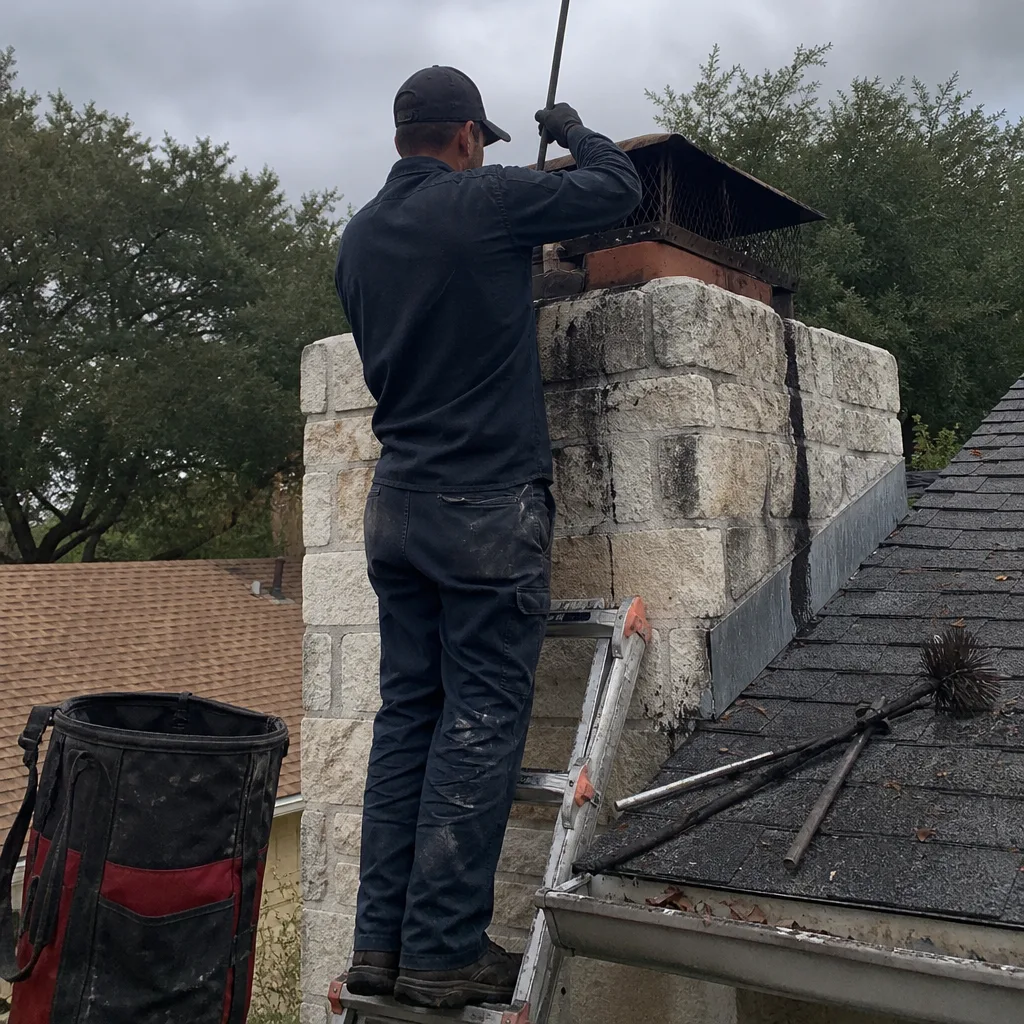 Before
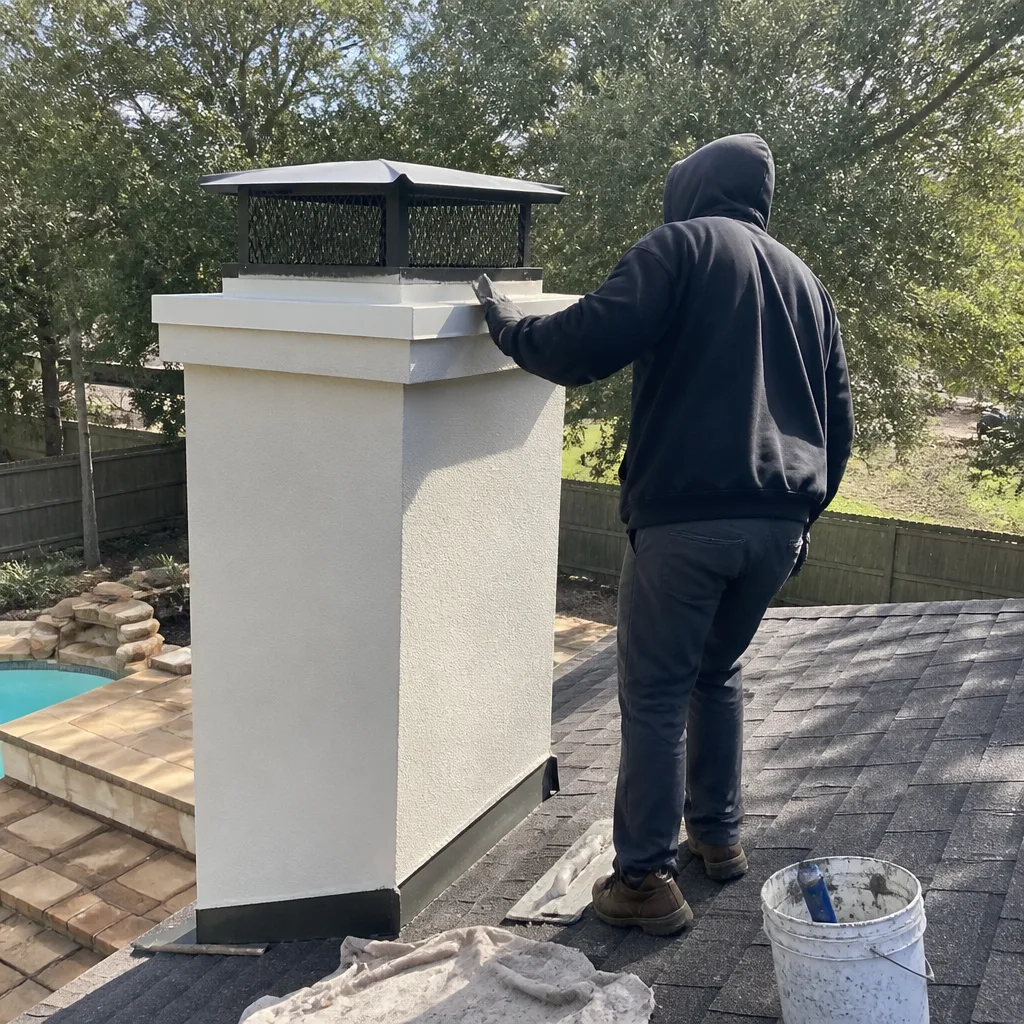 After
After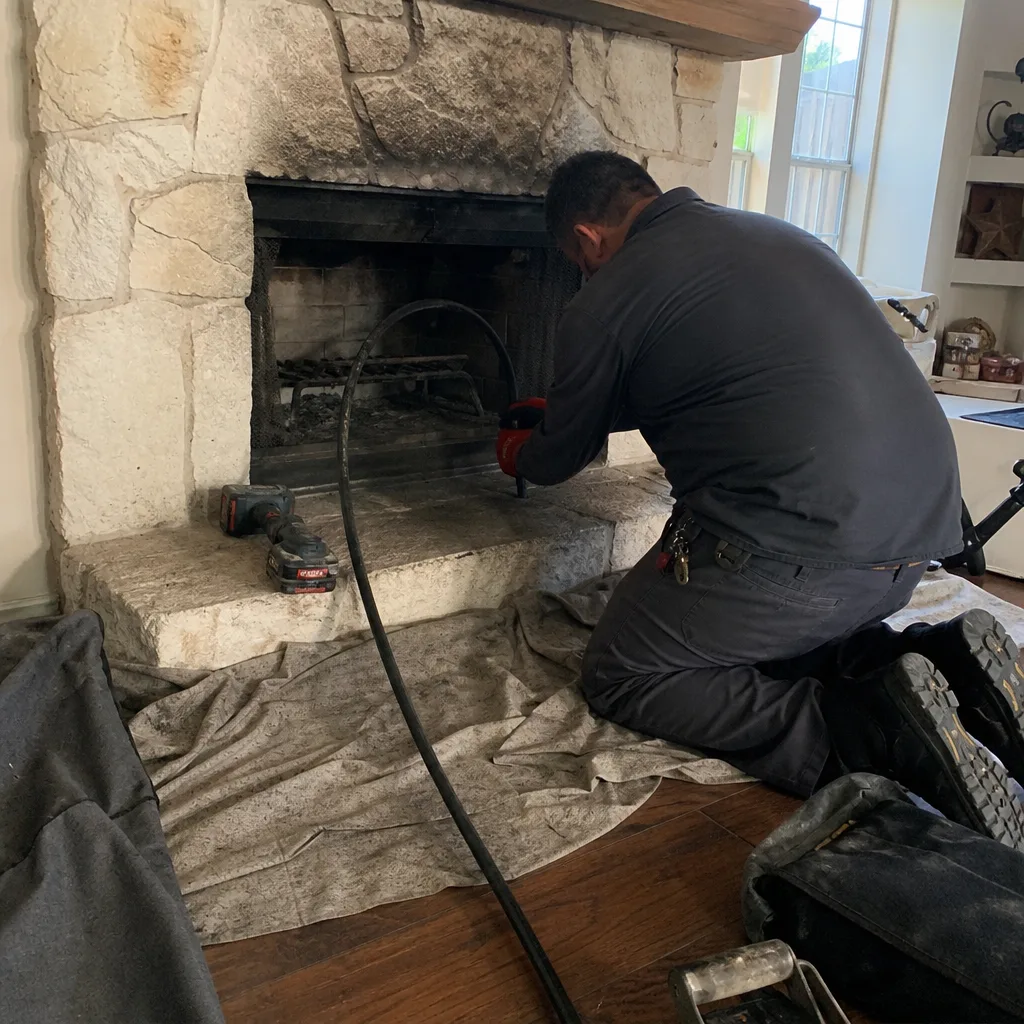 Before
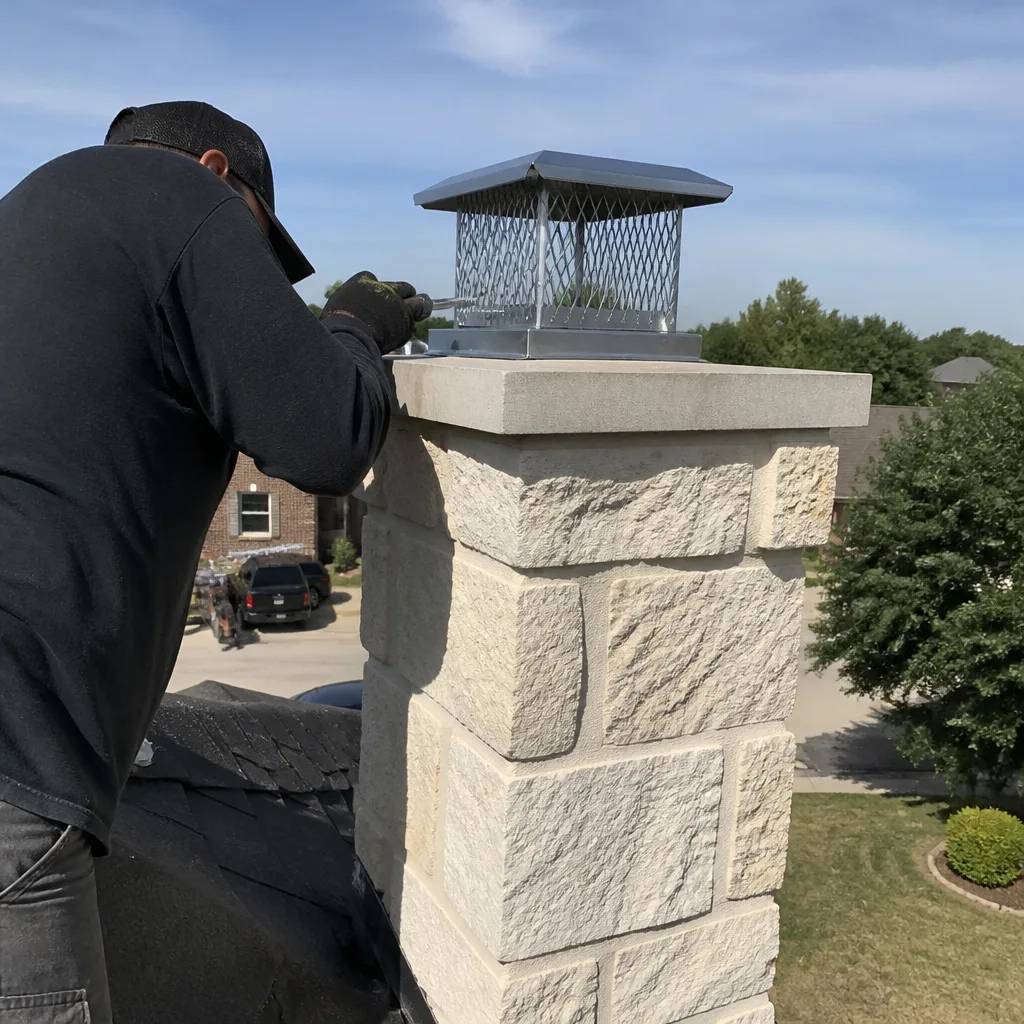 After
After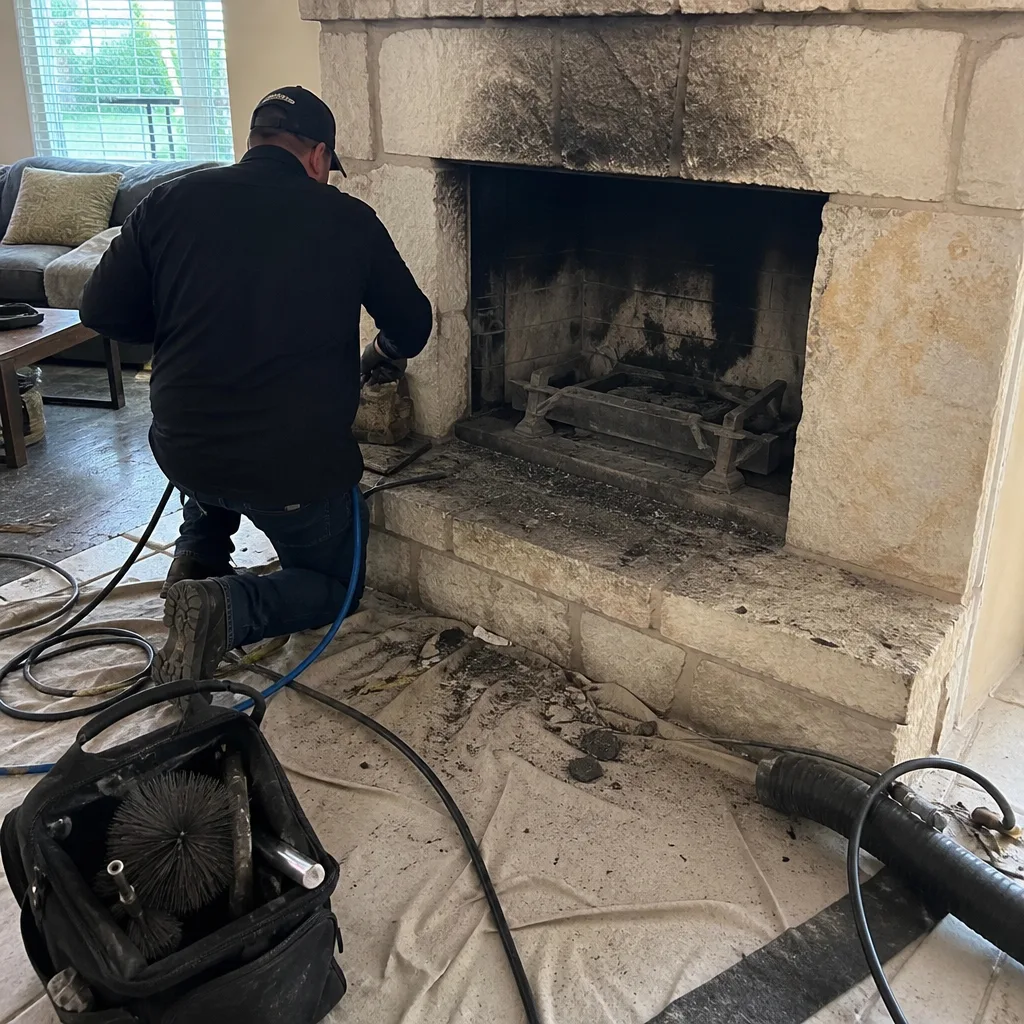 Before
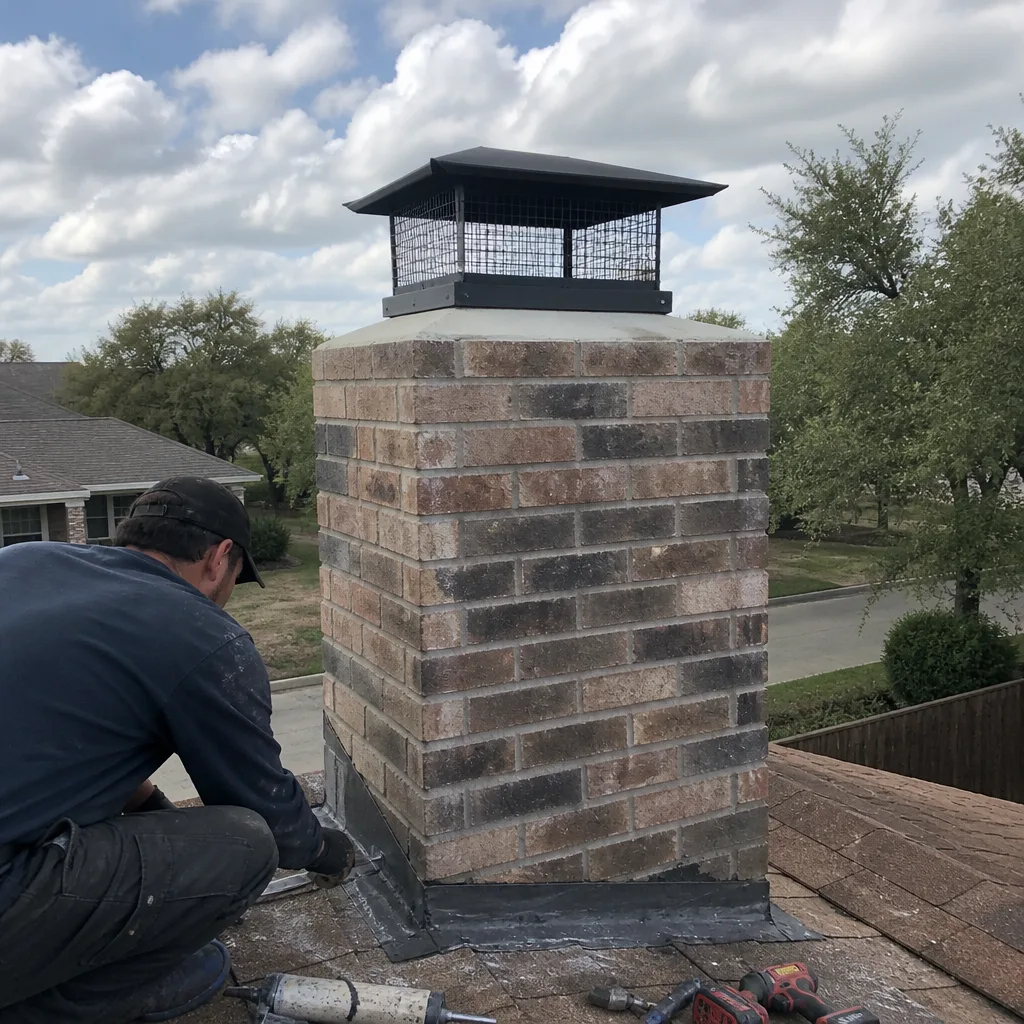 After
AfterReplacement Cost & What’s Included
A full Gelco flue liner replacement in San Antonio costs more than a repair patch because we’re removing the failed liner, inspecting the entire flue path, installing the new liner, insulating it as needed, and verifying draft with the appliance running. The range of $2,200 to $4,800 covers most residential installs. The biggest variables are the flue height, whether scaffolding or roof access is involved, and whether the original Gelco liner can be safely extracted or needs to be sleeved in place. A liner on a single-story ranch in Alamo Heights lands on the lower end. A two-story home with a steep roof pitch near the Pearl district will land higher.
Here’s what that price includes on every Kindling Chimney San Antonio job: a written price before any work starts, the full liner system rated for your fuel type, the labor to remove or sleeve the existing liner, a camera inspection after the install that you get to see, and clean-up with shoe covers, drop cloths, and a photo of the finished work before the crew leaves. No on-the-spot pressure, no hidden add-ons. If the new liner isn’t right, the 365-Day Done Right Promise means we make it right, no fine print. Danny Cortes signs off on every liner job personally before we call it done.
DIY or Call Us?
Replacing a Gelco flue liner is not a weekend project. The liner has to be sized to the inch, the old one has to come out without damaging the chimney structure, and the new one has to be connected, insulated, and verified for draft. This is genuinely dangerous work if done wrong. A liner that isn’t properly connected can leak carbon monoxide into the house, and a liner that’s kinked or undersized can cause exactly the kind of condensation damage that killed the first liner. We’ve had to redo DIY liner jobs in San Antonio more times than we can count, and the redo always costs more than doing it right the first time. What you can safely do is check the visible symptoms: rust flakes in the firebox, unusual smells after a fire, a liner that looks dull or chalky when you shine a light up the flue. If you see any of that, call us at (361) 491-3153. The camera inspection tells us exactly what you’re working with, and the estimate is free.
FAQs
A properly installed and insulated Gelco flue liner should last 15 to 25 years in San Antonio, though gas-only liners often last longer than wood-burning liners because the flue gases are less aggressive. Uninsulated liners fail faster because condensation forms more readily in the humid, temperature-swinging Texas climate. If your liner was installed without insulation or without a proper rain cap, you could be looking at replacement in as little as 8 to 12 years. Call (361) 491-3153 and we’ll do a camera inspection so you know exactly where your liner stands.
In some cases, yes. If the damage is localized and the surrounding liner is still structurally sound, a stainless sleeve or a targeted heat-shield repair can extend the life of the existing liner for several years. But if the corrosion is widespread, the liner has perforations in multiple spots, or the joints are failing, a full replacement is the only long-term fix. We’ll show you the camera footage and let you decide with real information, not a sales pitch. Call for a free estimate and we’ll lay out exactly what’s repairable and what isn’t.
Most Gelco flue liner replacements in San Antonio take one full day, occasionally two if the old liner is difficult to remove or the chimney requires additional masonry prep before the new liner goes in. We always give a written timeline when we quote the job, and we stick to it. If the liner is being sleeved rather than fully removed, the job is usually faster. Call (361) 491-3153 and we’ll give you an accurate time estimate for your specific chimney.
We stock Gelco-compatible stainless steel liners in the most common San Antonio diameters, so most replacements can be scheduled without waiting on a special order. For unusual chimney heights or larger diameters, we bring in the liner before the install date so there’s no delay on the day of the job. We also stock DuraFlex and HeatShield systems when those are the better fit for your fireplace. A live person answers the phone 24/7 at (361) 491-3153, and we’ll tell you during the first call whether your liner is something we have on hand.
Written by Danny Cortes, Owner, Kindling Chimney San Antonio at Kindling Chimney San Antonio, serving San Antonio and nearby areas.