
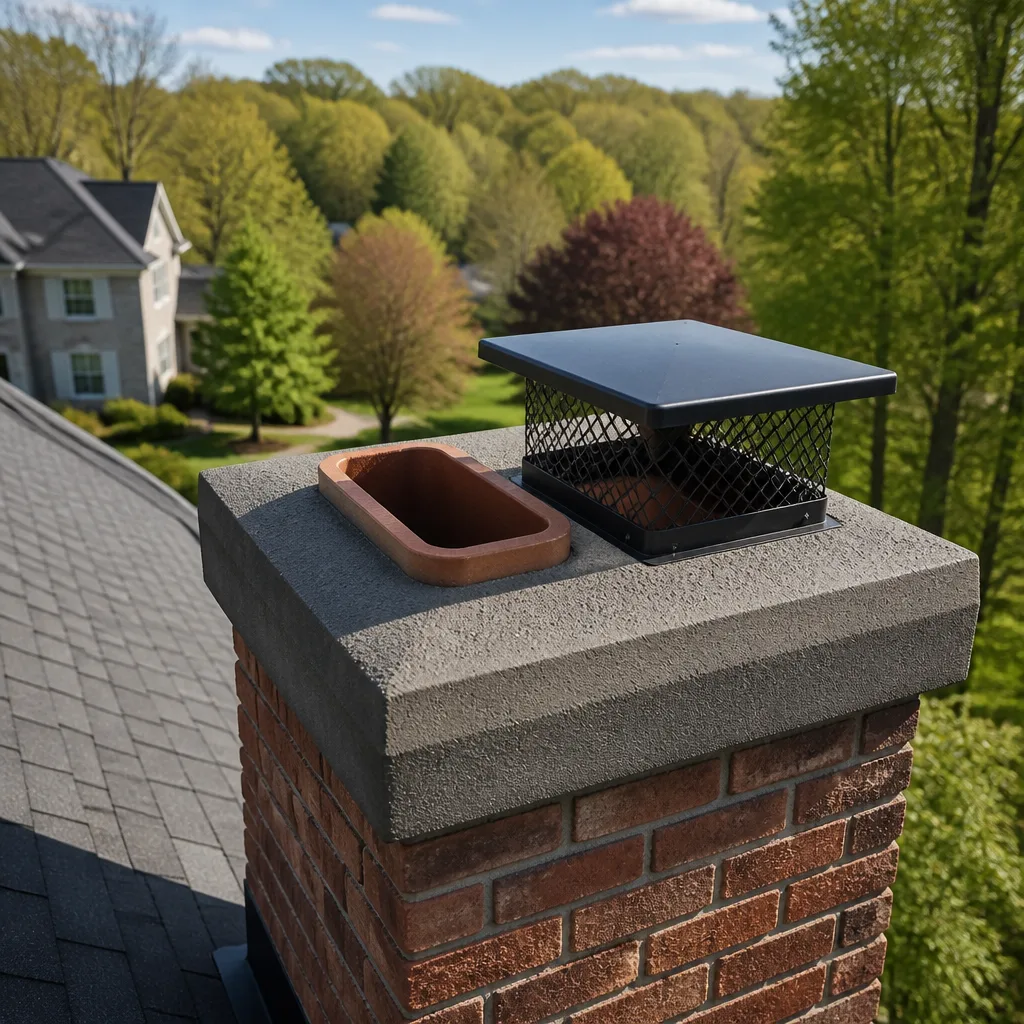
 Sweep & inspection
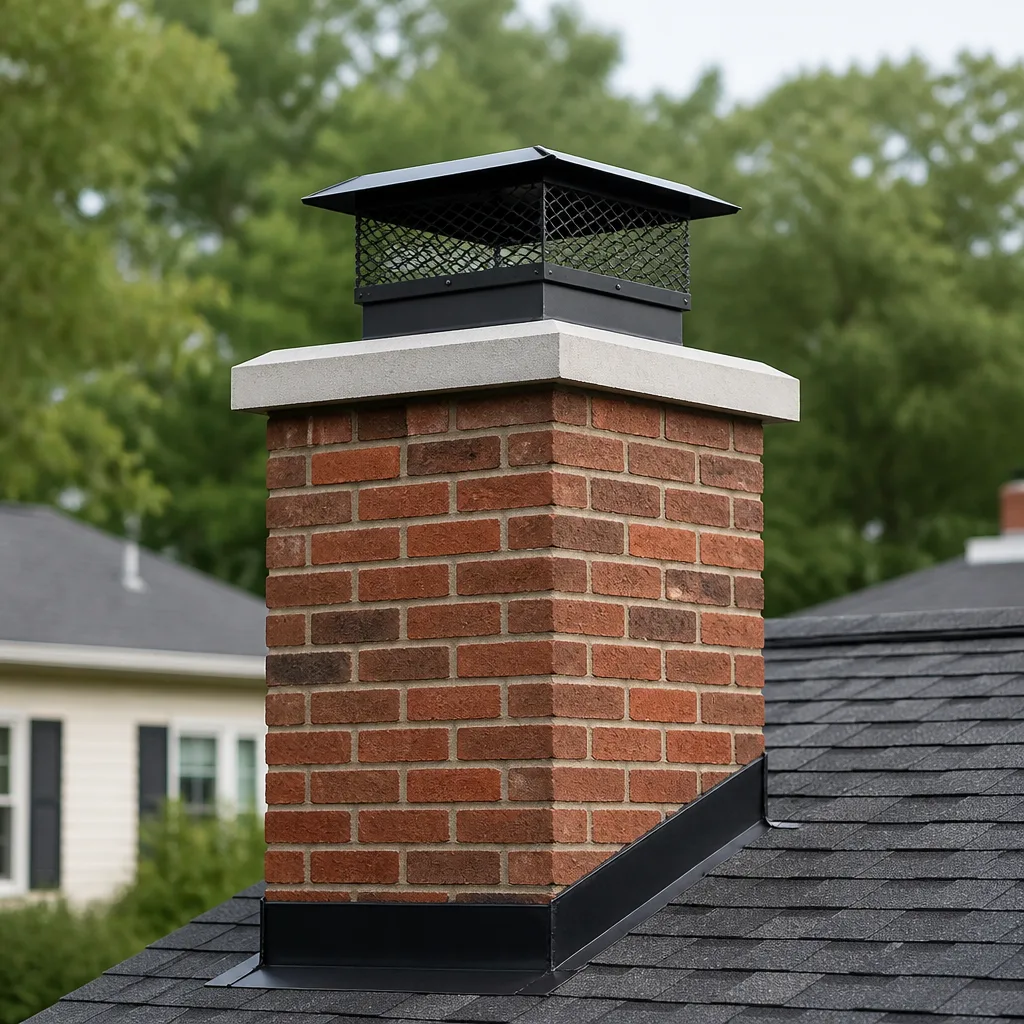 Caps & crowns
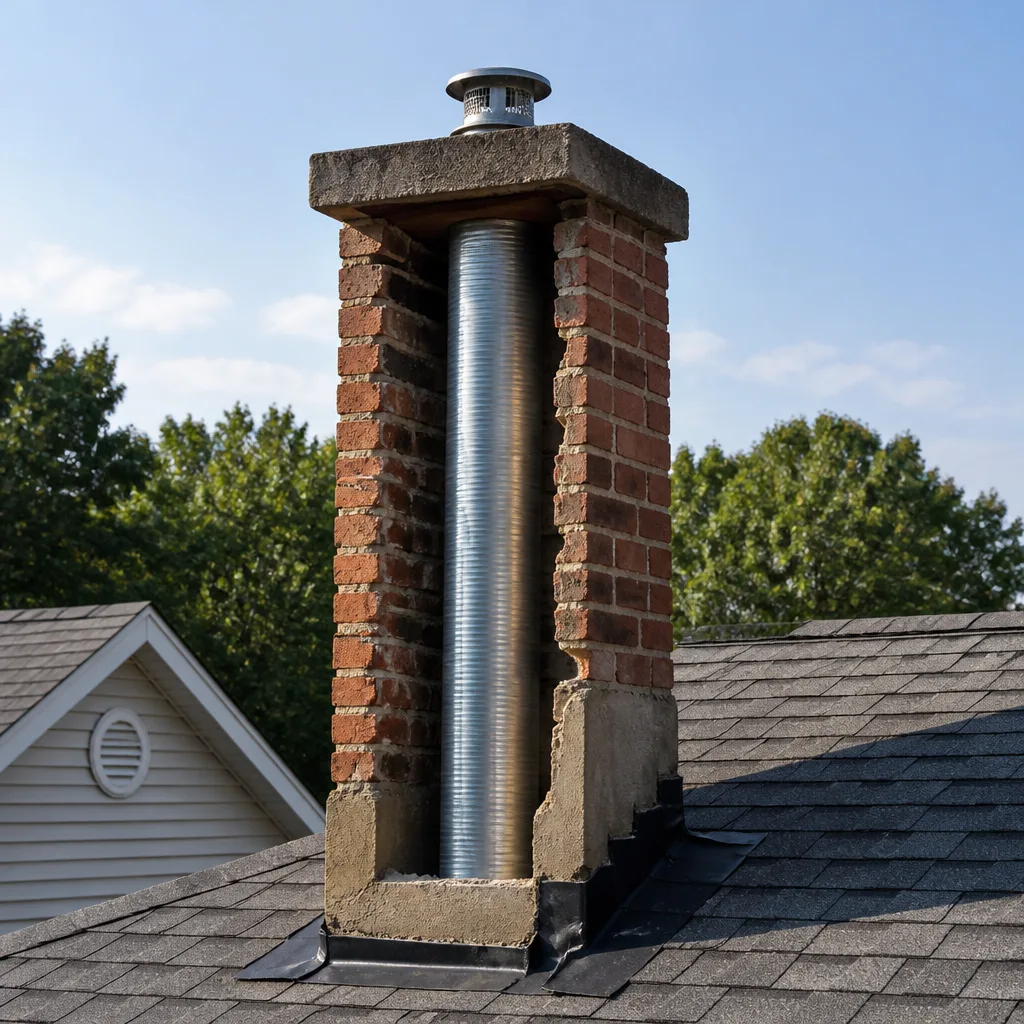 Flue relining
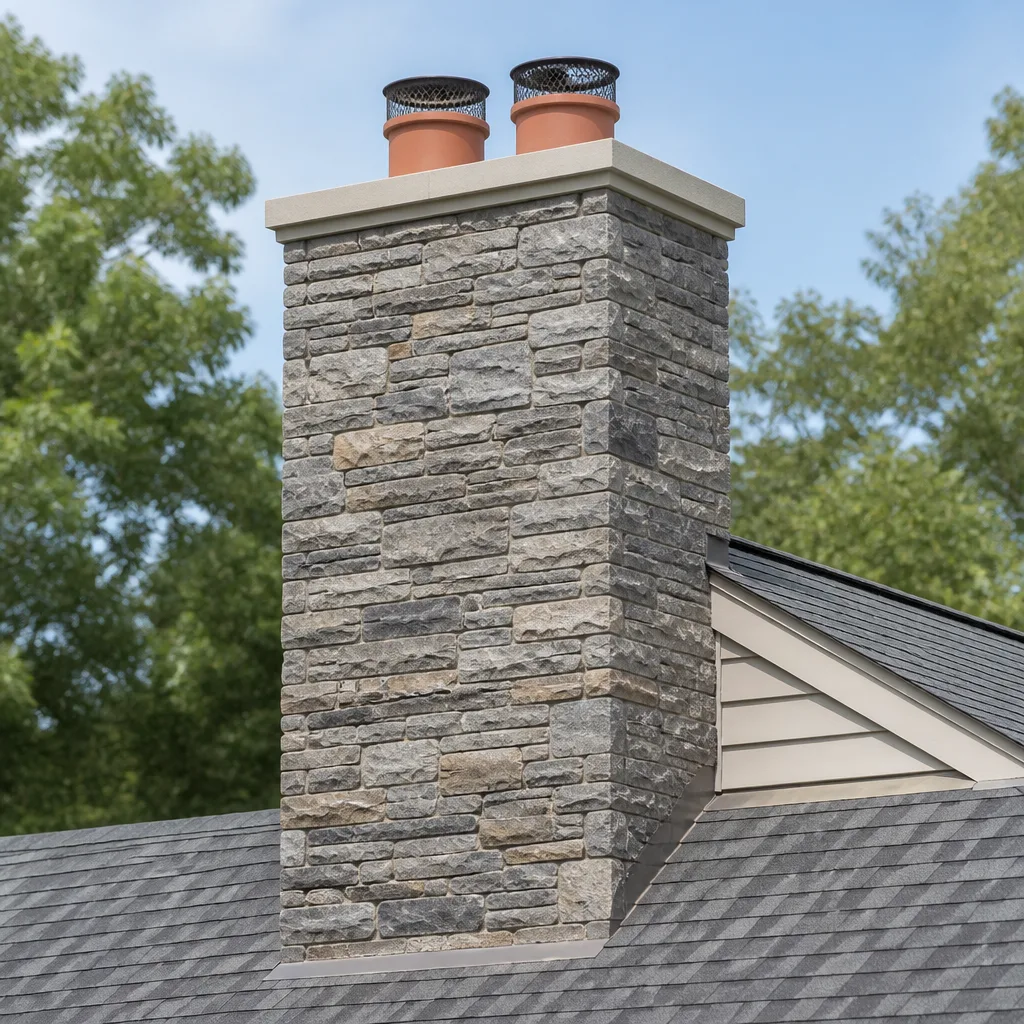 Masonry repair
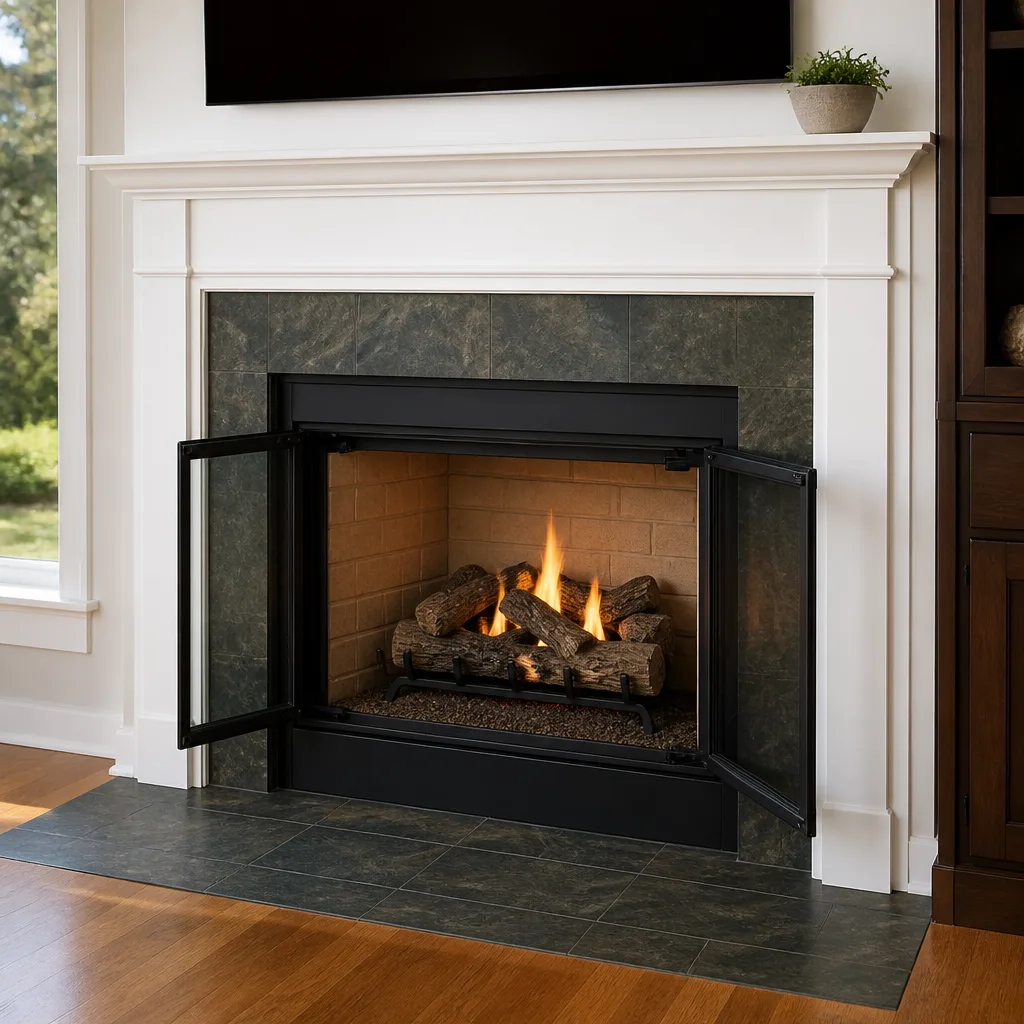 Gas fireplace service
Level 1 sweep and inspection to the NFPA 211 annual standard - flue, crown, cap, and flashing checked and photographed
Chimney sweep logs do not sweep chimneys. They loosen some creosote - which then falls where a brush and vacuum still have to collect it.
HeatShield Chimney Sweep in San Antonio: What to Know First
We provide independent HeatShield chimney sweep service in San Antonio, typically completing a standard sweep and inspection in one 60 to 90 minute visit. Most HeatShield sweeps in San Antonio run between $189 and $329 depending on flue condition, accessibility, and how long it’s been since the last cleaning. If you own a HeatShield liner and want the straight answer on what a sweep involves, what we look for, and what it costs before anyone sets foot in your living room, call (361) 491-3153 and a live person will walk you through it.

This page is written for San Antonio homeowners who have a HeatShield flue liner or refractory system and want a chimney sweep who actually knows the product. Not a crash course in generic sweeping. We’ll cover what fails on HeatShield systems, what we do differently when we clean one, and what you should expect to pay. Danny Cortes and our team have worked on HeatShield systems across San Antonio for years, from Alamo Heights ranchers to homes near the Pearl that still have original masonry chimneys retrofitted with HeatShield liners.
Key Takeaways:
- HeatShield is a cast-in-place refractory liner, not a metal liner, and it has specific failure modes that only reveal themselves during a sweep.
- We are an independent HeatShield service provider. We are not affiliated with or authorized by HeatShield, which means we give you the honest assessment, not the manufacturer’s sales script.
- Every sweep includes a Level 1 inspection, photo documentation of flue condition, and a written price for any additional work before it starts.
- We back every job with the 365-Day Done Right Promise and the Cedarwell Care Promise.
How HeatShield Products Fail – and How We Fix Them
HeatShield’s main claim is that it restores a deteriorated flue without removing the old clay tile liner. The material is a cerfractory mix, essentially ceramic and refractory cement, pumped or troweled in place. It works well in many San Antonio homes, but it is not indestructible, and the failure modes are different from a stainless liner like DuraFlex or a clay tile original. Here’s what we actually see on HeatShield jobs in San Antonio:
- Surface spalling at the top or bottom sections. HeatShield’s Cerfractory material relies on proper adhesion to the existing flue walls. In San Antonio’s hot, humid summers and relatively mild winters, thermal cycling causes the material to expand and contract. When the substrate wasn’t prepped perfectly, the HeatShield layer starts flaking, especially near the top where rain and condensation enter. During a sweep we’ll spot loose material, remove only what has already separated, and photograph the remaining surface to determine if resurfacing is needed. We do not force removal of bonded material, which would create a bigger problem.
- Glazed creosote sticking to the rough refractory surface. This is a real one. HeatShield liners have a slightly textured finish, and San Antonio homes that burn oak or mesquite, both common local firewood, produce heavier creosote loads than the pine and aspen common further north. That creosote bonds to the textured surface more aggressively than it would to smooth stainless. A third-stage glazed creosote layer on HeatShield requires chemical treatment and careful mechanical removal, never brute force. Using aggressive rods or metal scrapers on HeatShield can gouge the surface and shorten the liner’s life. We use nylon brushes and, where needed, a rotary cleaning system with plastic whips sized for the flue. After cleaning, we show you the before and after photos so you can see exactly what came off.
- Joint cracking where the HeatShield material meets the clay tile transitions. HeatShield is often applied over existing clay tile liners, and the seam between the original tile sections and where the HeatShield starts can develop hairline cracks. These cracks are rarely dangerous on their own, but they trap creosote and soot and become a starting point for moisture damage. When we find them during a sweep, we document them and give you a straight recommendation on whether they can be sealed or whether they need a closer look with a Level 2 camera inspection.
- Flue size reduction affecting draft. A common complaint from San Antonio owners after a HeatShield installation: the fireplace doesn’t draw as well as it used to. HeatShield does reduce the internal flue diameter, usually by three quarters of an inch to an inch depending on application. If the fireplace was already borderline on flue-to-firebox ratio, that reduction is enough to cause smoke spillage. Sweeping is not the fix here. But during a sweep we’ll measure draft, check the firebox opening to flue ratio, and tell you honestly whether the issue is the liner, the cap, the damper, or something else entirely. We never sell you a reline you don’t need.
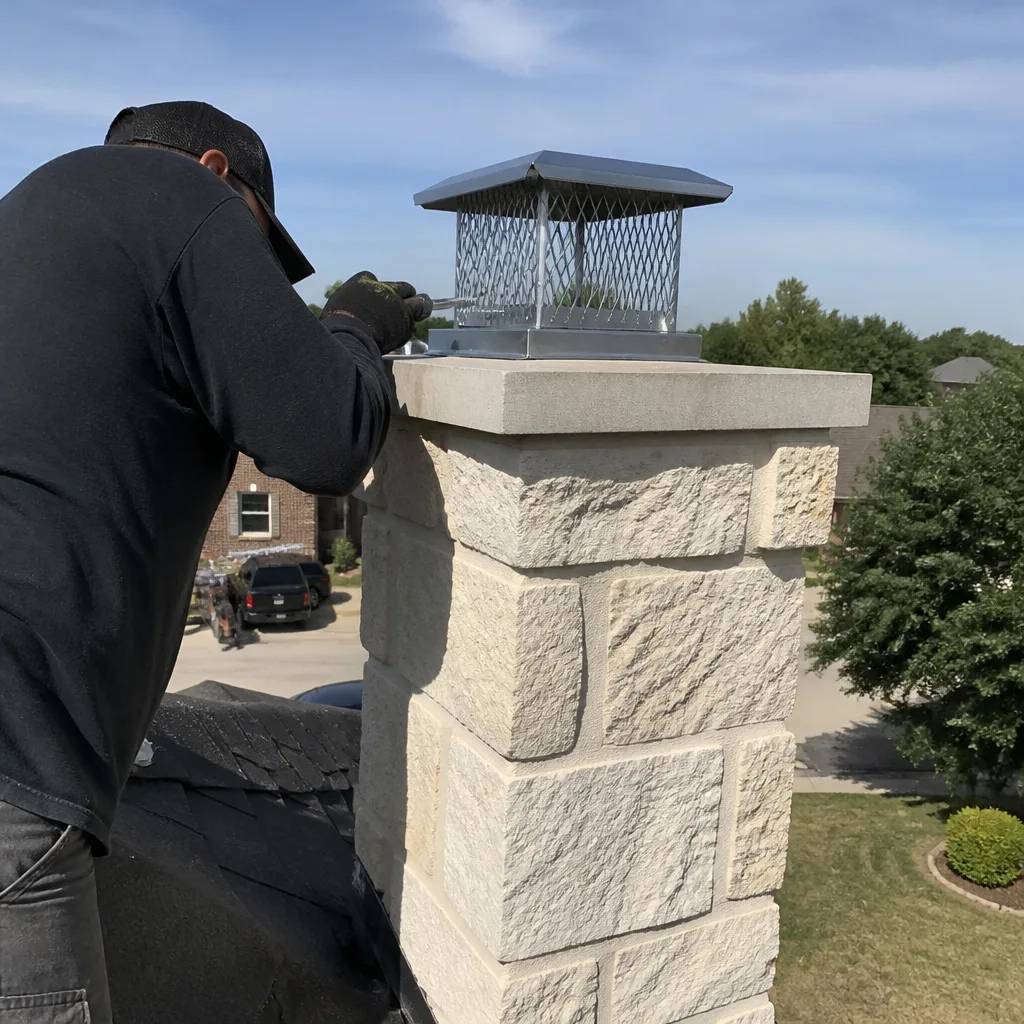
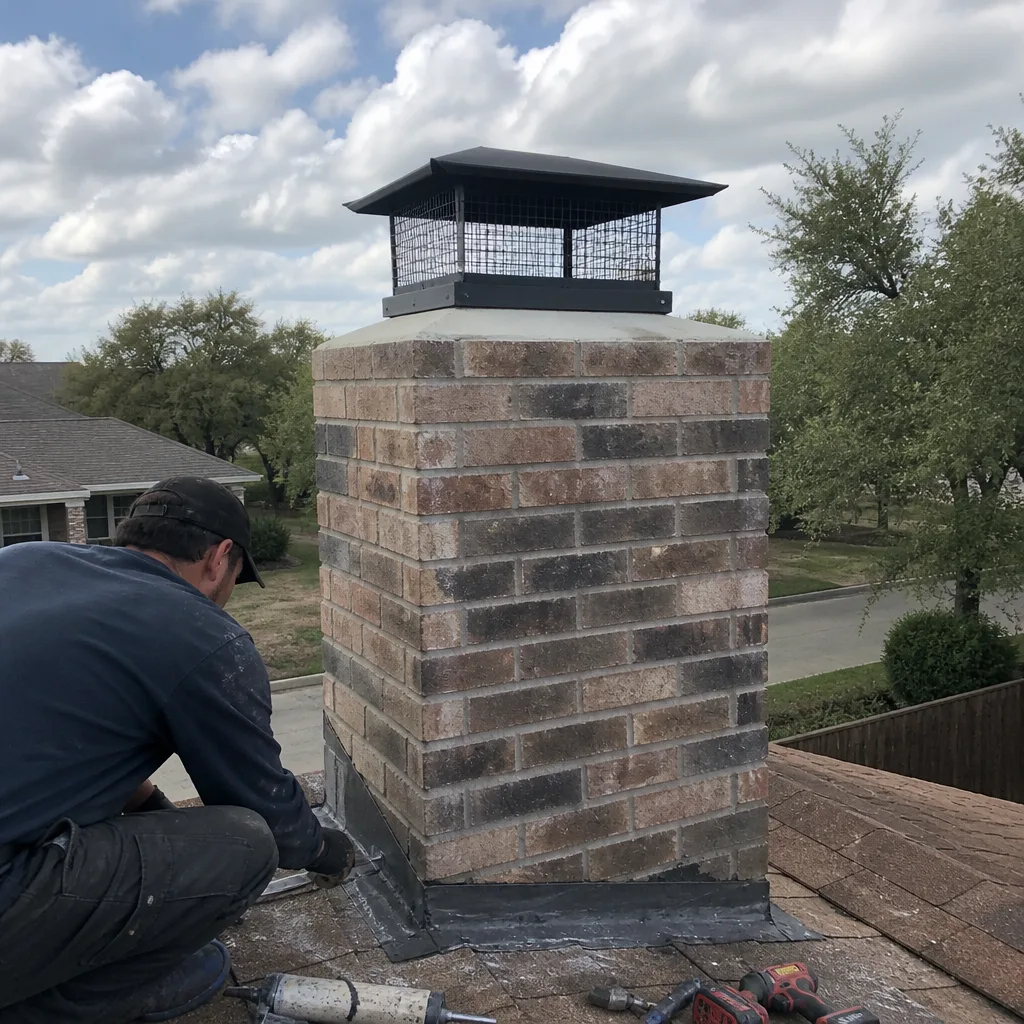
- Improper top sealing allowing water to run between the HeatShield shell and original flue wall. The top of a HeatShield liner needs a properly fitted crown and cap. In San Antonio, where we get sudden heavy downpours, any gap at the top invites water between the HeatShield layer and the old tile behind it. Water trapped there causes freeze-thaw damage, even in a mild winter, and accelerates material separation. During every sweep we inspect the top seal, mortar crown condition, and cap fit. If we find a problem, it’s documented with photos and priced out before we touch it.
Styles & brands we work with
Our HeatShield Chimney Sweep Process
Here’s exactly what happens when you book a HeatShield sweep with us. No surprises, no upselling at the door, and a written plan before any work begins.
- 1
You call (361) 491-3153. A live person answers, day or night. We ask about your fireplace, when it was last swept, and anything you’ve noticed: smoke smell, poor draft, flaking material, animal sounds. We also confirm the type of liner you have, HeatShield or otherwise, so the tech arrives prepared.
- 2
The technician arrives and protects your home first. Shoe covers on, drop cloths down, and nothing moved without asking. We’ll confirm what floor coverings are being protected and where kids and pets should stay while we work.
- 3
Visual inspection before the brush touches the flue. We inspect the firebox, damper, cap, and accessible flue sections. On HeatShield systems we’re specifically looking for surface integrity, joint cracks, glazed creosote deposits, and the moisture entry points at the top.
- 4
The sweep itself. We use brushes and tools selected for the liner type. For HeatShield we default to nylon and plastic rotary equipment rather than steel. We clean from top or bottom depending on your roof access and flue layout. Every sweep includes removal of soot, creosote, and any material that has already separated from the flue walls.
- 5
Post-sweep camera or visual check. If the HeatShield surface looks questionable after cleaning, we show you the photos. We’ll tell you what’s normal wear, what can wait, and what actually needs attention. If we recommend work, you get a written price before we do anything.
- 6
Cleanup verification. We photograph the work area when we’re done and show it to you. The 365-Day Done Right Promise covers every sweep we do: if it’s not right, we make it right. No fine print, no runaround.
See the difference
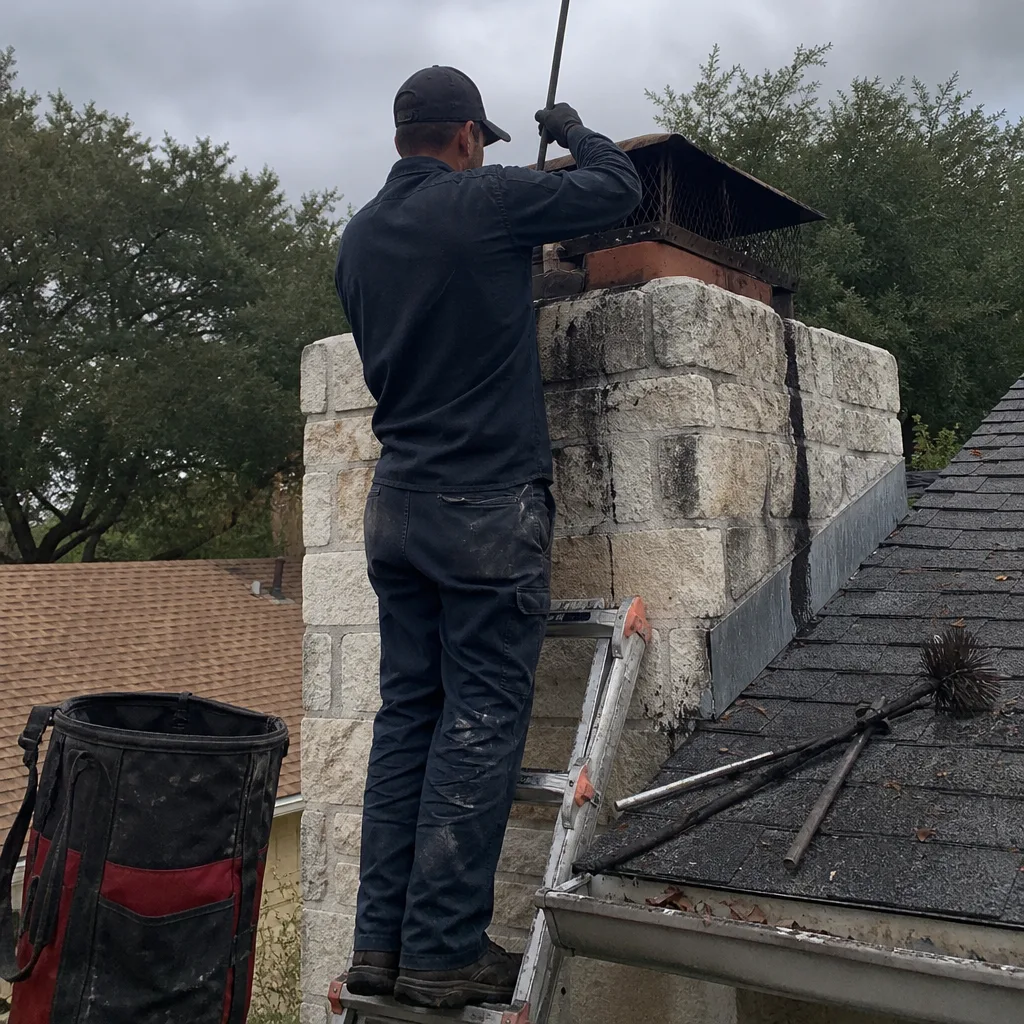 Before
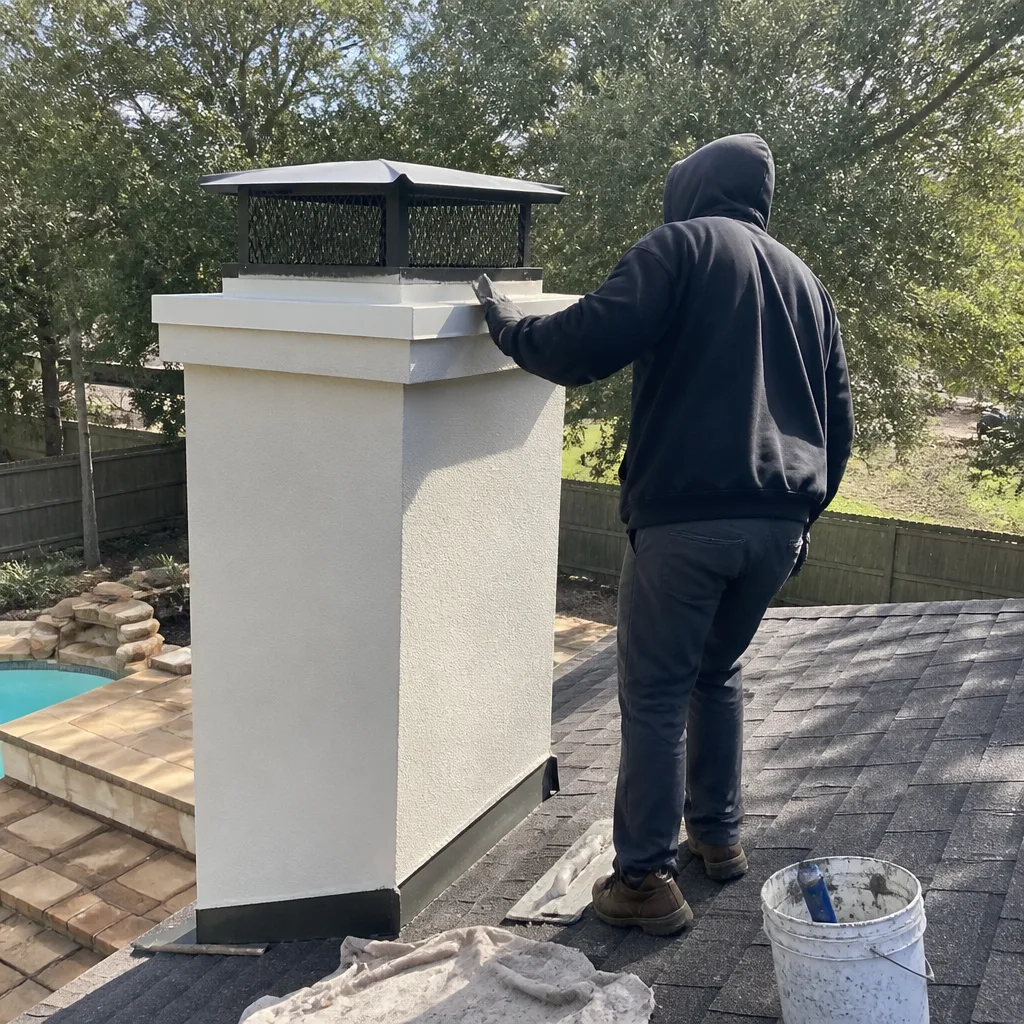 After
After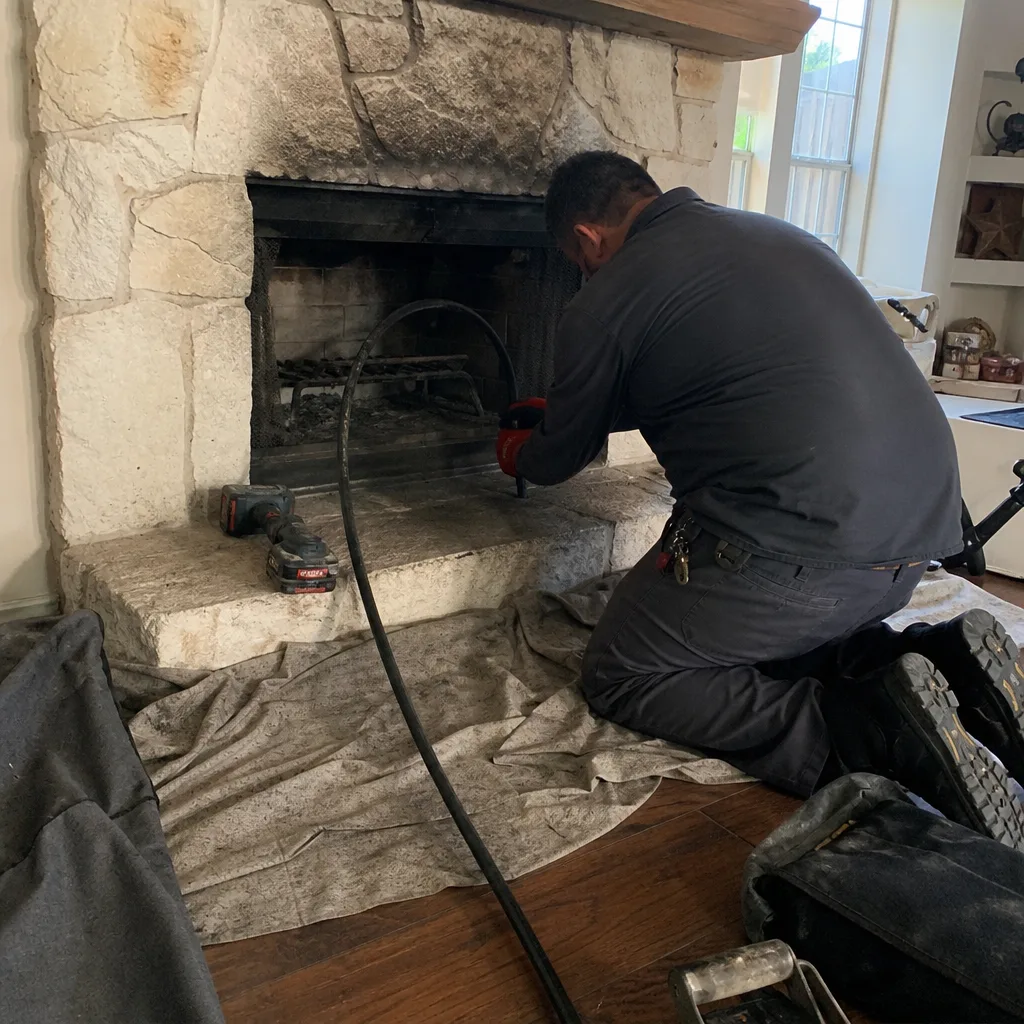 Before
 After
After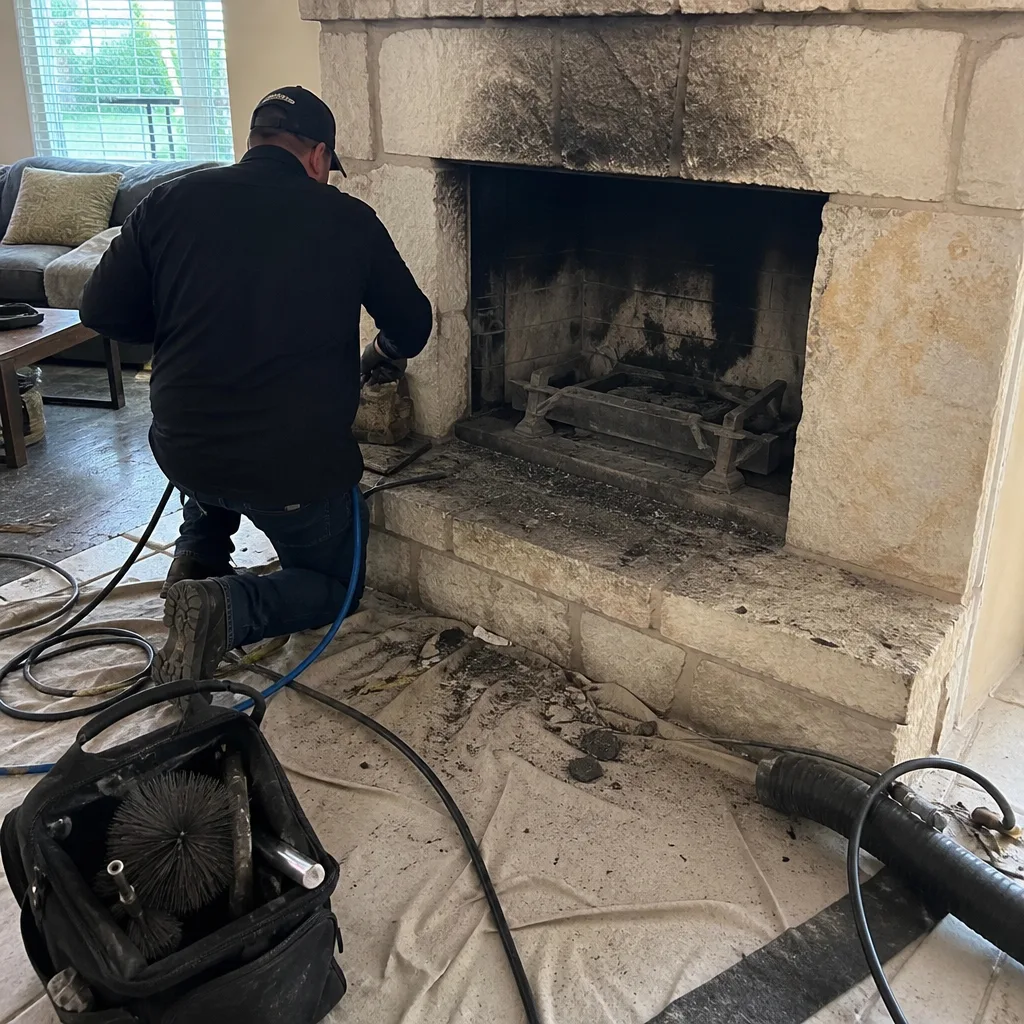 Before
 After
AfterWhat HeatShield Chimney Sweep Costs in San Antonio
Standard HeatShield chimney sweeps in San Antonio run between $189 and $329. The price depends on three things: how heavily the flue is loaded with creosote, whether the flue is one story or two and what roof access looks like, and whether the liner requires chemical treatment for glazed creosote, which adds time and product cost. Here’s what those ranges look like in practice:
- Light use, swept within the last two years: $189 to $229
- Moderate creosote or first sweep in three or more years: $229 to $279
- Heavy glazed creosote requiring chemical treatment: $279 to $329
- Level 2 camera inspection, when recommended or requested: $199 to $349 depending on scope
If a sweep uncovers cracking, spalling, or moisture entry issues on a HeatShield liner, we’ll give you a written estimate for repair work before anything else happens. The sweep itself is never a bait price for an upsell. The estimate is yours to keep, and so is your phone call. Call (361) 491-3153 for a free phone estimate and we’ll give you the range before anyone sets foot inside your home.
Why San Antonio Homeowners Call Kindling Chimney San Antonio for HeatShield Work
We are not a generalist chimney company that happens to see a HeatShield liner twice a year. Our team works on these systems regularly across San Antonio, and that matters because HeatShield misses are easy to make and expensive to fix. A sweep with the wrong tool can gouge the refractory surface. A missed joint crack can let water in and undo the liner’s purpose entirely. Knowing what to look for and what not to do on HeatShield is most of the job.
Every visit includes the Cedarwell Care Promise: shoe covers and drop cloths down before anything else, a written price before work begins, and a photo of the clean-up before the crew leaves. Our technicians arrive in uniform, are background-checked, and use pet-safe products wherever there is a choice. And when a HeatShield liner has reached the end of its useful life, we can talk honestly about alternatives, including DuraFlex stainless relining or Gelco products, because we work with those systems too. We are not married to one brand, which means our recommendation is based on your flue, not our inventory.
The 365-Day Done Right Promise backs every sweep and repair. Danny Cortes keeps a small notebook on every job, sketching the flue condition so you can see what he sees before any work is recommended. That practice started years ago and it hasn’t changed. A clean flue is the quietest safety feature in your home – let’s make sure yours is doing its job.
FAQs
A properly performed sweep will not damage a HeatShield liner if the liner is in sound condition. We use nylon and plastic rotary tools rather than steel on HeatShield systems because aggressive metal scraping can gouge the refractory surface. If your liner is already spalling or delaminating, the sweep may remove loose material that was going to come off anyway. We document the condition before and after so there’s no ambiguity.
Yes. The material is harder than clay tile but softer and more brittle than stainless steel, so it responds best to nylon brushes and plastic rotary whips rather than steel cable and metal scrapers. Using the wrong tool creates surface scoring that traps creosote and accelerates future buildup. Our techs select tools based on the liner type before the first brush goes up the flue.
HeatShield’s warranty covers the material, but real-world lifespan in San Antonio depends heavily on moisture management, how often you burn, and what you burn. We’ve seen well-installed HeatShield liners performing fine after 15 years, and we’ve seen early failures at the top seal within five. The variable is almost always water intrusion or installation prep, not the material itself. During a sweep we inspect for signs of early trouble so small issues don’t become relines.
Yes. HeatShield does not prevent creosote buildup or remove the need for sweeping. It restores the flue’s structural integrity and fire resistance. The textured surface can actually hold creosote more aggressively than smooth stainless, especially if you burn oak or mesquite, which is common firewood in San Antonio. Annual sweeping also gives us a chance to catch spalling or separation early, before a small section becomes a liner failure.
Many HeatShield issues can be repaired without full replacement. Surface spalling in a small section can often be resurfaced, and joint cracks can be sealed. Truly structural failure, meaning separation from the substrate over a large area, usually means a reline with either a new HeatShield application or a DuraFlex stainless liner depending on your flue, budget, and how you use the fireplace. We’ll show you the camera footage and give you an honest recommendation either way. Call (361) 491-3153 for a free phone assessment.
Written by Danny Cortes, Owner, Kindling Chimney San Antonio at Kindling Chimney San Antonio, serving San Antonio and nearby areas.